Colonoscopy: preparation, anesthesia, and what the examination shows.
How to prepare for a colonoscopy by day, whether the procedure is painful, and what this study reveals.

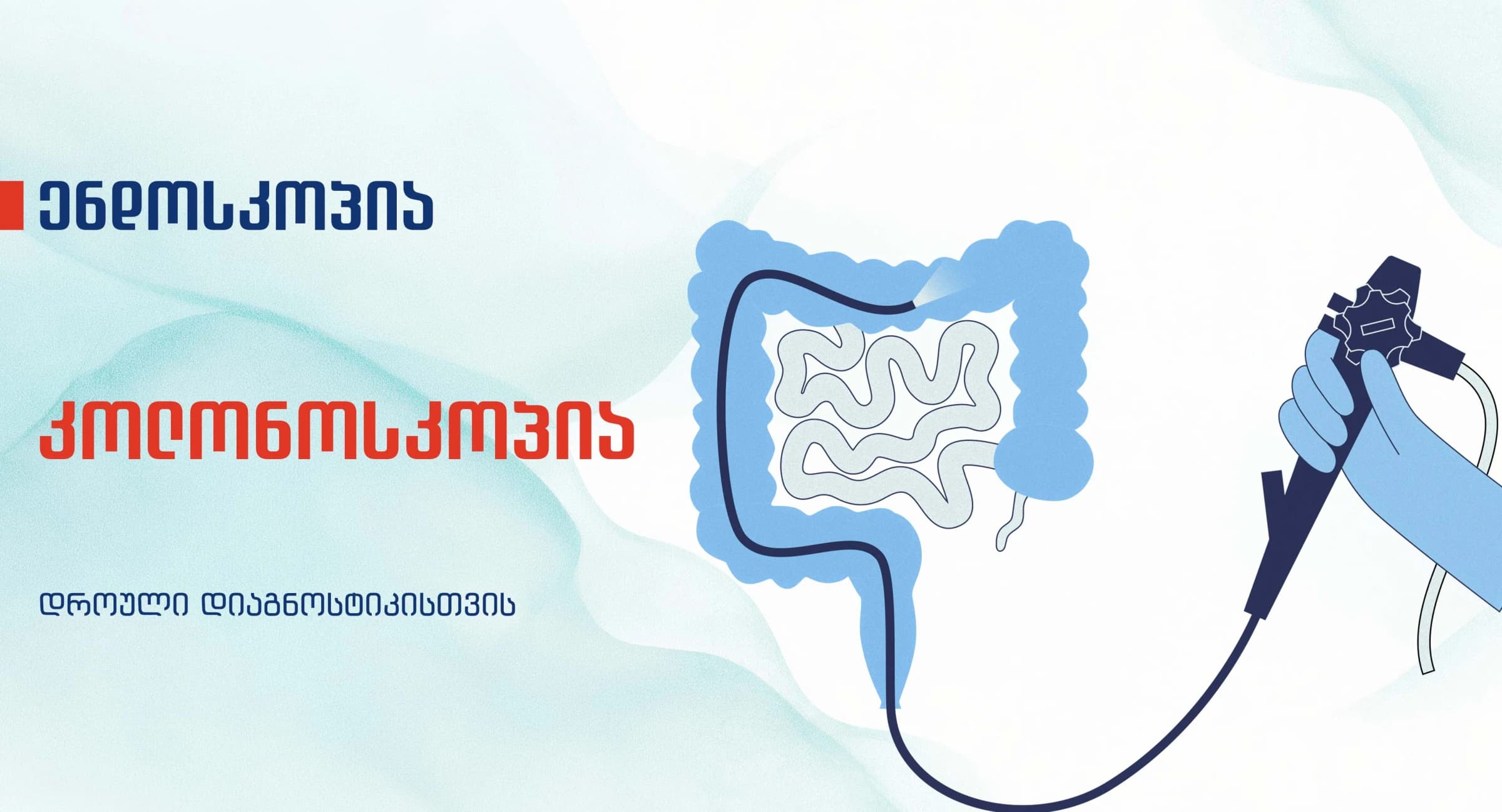
Colonoscopy involves examining the large intestine, including the cecum, and also visualizes the terminal part of the small intestine, which lasts 20-40 minutes and is painless for the patient under sedation. The most difficult part is not the examination itself, but the preparation: a 2-3-day diet and bowel cleansing, on which the accuracy of the result directly depends. From the age of 45, colonoscopy is the most effective method of preventing colorectal cancer, as it allows you to remove polyps before they turn into tumors.
What is a colonoscopy and what does it check for?
During a colonoscopy, a doctor inserts a flexible, thin endoscope with a high-definition camera at the end through the anus into the large intestine. The image is transmitted to a monitor, and the endoscopist examines the entire length of the intestinal mucosa, from the rectum to the cecum. The examination reveals polyps, inflammatory changes (for example, in ulcerative colitis ), diverticula, sources of bleeding, and tumors.
Unlike a gastroscopy, which examines the esophagus, stomach, and duodenum, a colonoscopy only covers the large intestine. Both examinations are often performed on the same day, under the same sedation. We have a separate article on the preparation and procedure for a gastroscopy: Gastroscopy: What to Expect and How to Prepare .
Who needs a colonoscopy and at what age?
Colonoscopy is prescribed in two cases: for screening purposes, without symptoms, and for diagnostic purposes, in case of specific complaints.
Screening. According to international guidelines (American College of Gastroenterology, US Preventive Services Task Force), people at average risk are recommended to have a colonoscopy starting at age 45, and every 10 years if the results are normal. If a first-degree relative (parent, sibling, child) has had colorectal cancer or large polyps, screening begins at age 40 or 10 years earlier than the relative's age of diagnosis.
Diagnostic indications:
- Blood in the stool or black, tarry stools;
- Changes in bowel habits that last more than 3-4 weeks (constipation, diarrhea, or their alternation);
- Unexplained iron deficiency anemia, especially in men and postmenopausal women;
- Chronic abdominal pain or unexplained weight loss;
- Hemorrhoid symptoms over 45: Bleeding should not be attributed to "hemorrhoids" until the bowel has been examined;
- Monitoring inflammatory bowel disease.
In cases of bleeding and anemia, a complete blood count is usually performed before a colonoscopy: the hemoglobin and ferritin levels show the doctor how urgent the examination is.
Preparing for a colonoscopy
The goal of preparation is one: the intestine must be completely clean. Even a small amount of residue left on the intestinal mucosa can cover a polyp. According to studies, in case of inadequate preparation, 20-40% of adenomas remain unnoticed , and the study must be repeated.
|
Time |
Food |
What should be done? |
|---|---|---|
|
3 days before |
Diet: White rice, pasta, white bread, boiled chicken, fish, eggs, yogurt. Exclude fruits, vegetables, grains, legumes, nuts, seeds, brown bread, red meat. |
Tell your doctor about all medications you are taking, especially blood thinners, iron supplements, and diabetes medications. |
|
1 day before |
Only clear liquids: water, tea (without milk), broth (strained), apple or white grape juice, jelly. Red and purple liquids, milk, coffee with milk, alcohol are prohibited . |
In the evening, the first half of the preparation solution is taken (according to the doctor's schedule). |
|
Research Day |
Nothing to eat. Clear liquids are allowed 2 hours before the test. |
The second half of the solution in the morning (split scheme); come to the study with an accompanying person |
Preparation solution. Most often, polyethylene glycol (PEG) solutions are used. The modern recommendation is the so-called split-dose scheme: half the evening before, half 4-6 hours before the study. Such preparation cleanses the mucosa 2-3 times better than taking the entire dose at once. To make the solution taste better, it can be cooled, lemon juice added, or diluted with a sippy cup.
What it means you're ready: Your last stool should be clear or light yellow, with no solids. If it's still cloudy or brown, contact your clinic. You may need additional solution.
Medications:
- Aspirin and other antiplatelet agents are usually not contraindicated, but be sure to tell your doctor;
- Warfarin and new anticoagulants (rivaroxaban, apixaban): an individual decision, in consultation with a cardiologist, as the risk of bleeding increases when removing polyps;
- Iron preparations should be stopped 5-7 days before the test, as they turn the stool black and stick to the mucous membrane;
- Diabetes medications: The dosage of insulin and tablets for the fasting day should be agreed upon with the endocrinologist.
Is a colonoscopy painful?
This is the most frequently asked question and the answer depends on the form of preparation. All three options are available at Bochorishvili Clinic.
|
Option |
How do you feel? |
For whom? |
Restrictions |
|---|---|---|---|
|
Without anesthesia |
Bloating and pressure from air in the intestines, brief spasmodic pain in the intestinal loops |
Patients with a high pain threshold for whom sedation is prohibited or not indicated |
It is possible to return home without rest. |
|
Sedation (medium depth) |
Sleep-like state, no memory of procedure; breathing is independent |
For most patients, the typical choice |
1-2 hours of observation; driving, alcohol, and important decisions are prohibited that day |
|
General anesthesia (with propofol) |
Complete sleep, under the supervision of an anesthesiologist |
Long or difficult procedure, polypectomy, previous painful experience, marked anxiety |
Anesthesiologist consultation and basic tests in advance; an accompanying person is required |
The safety of sedation and anesthesia is ensured by the clinic'sAnesthesiology and Resuscitation Department : pulse, blood pressure, and oxygen saturation are monitored during the procedure.
How is the procedure performed?
- Reception and preparation. The nurse checks the quality of preparation, places a venous catheter (for sedation), and the patient puts on special clothing.
- Position: The patient lies on his left side, knees bent towards his chest.
- Examination. The endoscope is slowly advanced to the cecum; the mucosa is examined mainly when the endoscope is withdrawn. This stage lasts at least 6 minutes, which is one of the international indicators of the quality of polyp detection.
- Biopsy or polypectomy , if necessary, within the same procedure.
- Awakening and observation : 30-90 minutes.
In total, from arrival to departure, you will need 2-3 hours at the clinic.
Polyp removal and biopsy in the same procedure
The main advantage of colonoscopy over other screening methods (fecal occult blood test, CT colonography) is that it is both a diagnostic and therapeutic procedure. Polyps up to 1 cm in size are usually painlessly excised on the spot with a cold or hot loop, and the removed tissue is sent for histological examination. The answer is ready in 7-10 working days.
For 7 days after polyp removal, heavy physical activity and taking blood thinners (in consultation with your doctor) are restricted.
Results: When will we get them and what does it mean?
The endoscopist will issue a visual report immediately after the procedure, with photographs and a description. Histology is attached separately.
The most common findings:
- Norm : Next colonoscopy after 10 years (in the average risk group);
- Hyperplastic polyp : benign, screening interval does not change;
- Adenoma : Precancerous growth; repeat examination every 7-10 years for 1-2 small adenomas, every 3 years for more than 3 or larger than 1 cm;
- Diverticulosis : pocket-like bulges in the intestinal wall, requiring dietary correction;
- Inflammation : Further management by a gastroenterologist .
After the study: nutrition and diet
The first meal is possible immediately after coming out of sedation: light, without fat. Bloating for a few hours due to air bloating is normal, it quickly passes with walking. Slight traces of blood in the stool are permissible for 1-2 days after the biopsy. Immediately contact the clinic if you experience: severe, increasing abdominal pain, fever above 38 °C, heavy bleeding, dizziness.
Returning to work is possible the next day after sedation.
More articles
 Signs of appendicitis in adults and children
What we need to know about the disease and how laparoscopic surgery is performed
 Acute intestinal infections during the summer - causes, prevention and management
Why do intestinal infections become more common, especially during the summer?
 Hemorrhoids
The 4 stages of hemorrhoids, which ointment works and when surgery is needed. Signs of bleeding, treatment methods and recovery.
 The impact of air pollution on the lungs
Air pollution and the importance of pulmonary function tests in assessing respiratory health
 Thyroid dysfunction
Symptoms of thyroid dysfunction in women and men.
 Arrhythmia in children – what parents should know.
Interview with a pediatric cardiologist: Arrhythmia in children - what should parents know?!
Frequently Asked Questions