Hemorrhoids
The 4 stages of hemorrhoids, which ointment works and when surgery is needed. Signs of bleeding, treatment methods and recovery.

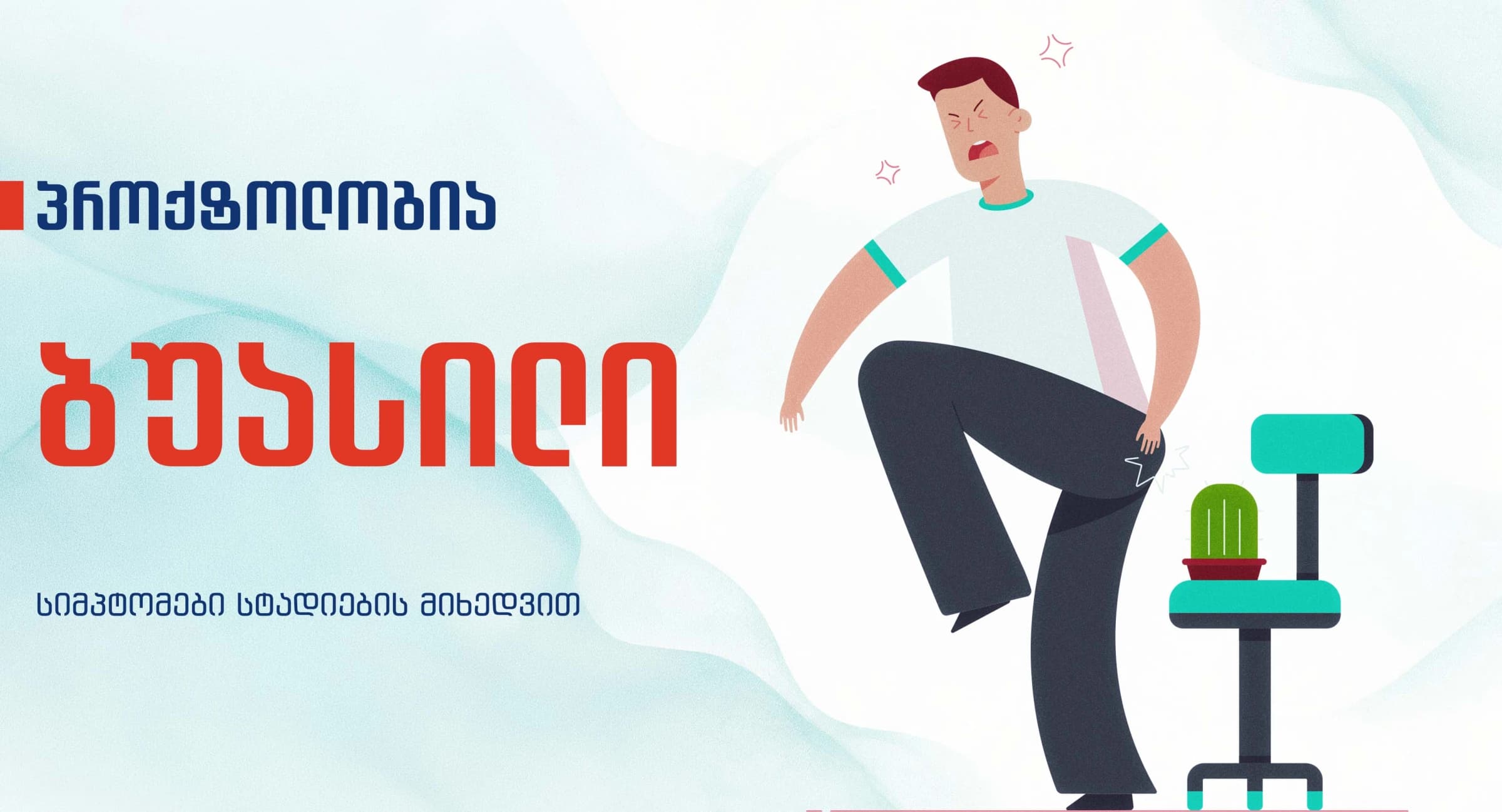
Hemorrhoids (hemorrhoid disease) are pathological dilation of the venous plexuses of the rectum. At stages I-II, it is usually managed conservatively: with a change in diet, ointments and suppositories. At stages III-IV, the ointment only alleviates the symptoms and a minimally invasive procedure or surgery becomes necessary. One main rule applies to all stages: self-medication is not allowed in case of bleeding from the anus, in this case, timely consultation with a doctor is necessary, since the same sign may indicate another, more serious disease.
What are hemorrhoids and why do they appear?
Hemorrhoids are common in all people. They are a normal anatomical structure of the anal canal. We are talking about the disease when the nodes become pathologically enlarged, bleeding begins during defecation, or the nodes fall out. They are divided into internal and external hemorrhoids.
Main risk factors:
- Chronic constipation and straining during defecation;
- prolonged sitting (office work, drivers) or heavy physical exertion;
- Pregnancy and childbirth, due to intra-abdominal pressure and hormonal changes;
- Overweight, low-fiber diet, lack of fluids;
- Hereditary predisposition to varicose veins.
Symptoms of hemorrhoids by stage
The classification of hemorrhoidal disease includes 4 stages. The stage determines whether conservative treatment will be effective or not.
|
Stage |
What does the patient feel? |
What is seen during examination? |
Does the ointment work? |
|---|---|---|---|
|
I |
Scarlet blood in stool or on paper, painless; itching, discomfort |
The nodes are enlarged but not protruding. |
Yes, along with dietary correction, it is often enough |
|
II |
Nodules come out during defecation and return on their own; bleeding, wetness |
Prolapse of the vagina |
Partially relieves symptoms; if ineffective, ligation or sclerotherapy |
|
III |
The nodules come out and can only be retracted manually; pain, mucous discharge, soiling of linen |
Persistent prolapse during exertion |
No, it provides temporary relief; a procedure or surgery is needed |
|
IV |
The knots are permanently outside and cannot be turned by hand; risk of entrapment and thrombosis |
Irreversible prolapse |
No, surgical treatment |
The most painful complication of hemorrhoidal disease is acute thrombosis: a dense, bluish, intensely painful lump around the anus, which is managed conservatively or surgically within the first 48-72 hours.
Hemorrhoids and bleeding: when is it dangerous?
Hemorrhoids are bright red, visible on the surface of the stool or on paper, and are usually painless. But hemorrhoids are not the only cause of rectal bleeding: anal fissures, polyps, ulcerative colitis , and colorectal cancer can also cause the same symptoms. Therefore, the diagnosis of "hemorrhoids" should be made by a doctor, not by the patient.
Contact your doctor immediately if:
- The blood is dark, black, or mixed with the stool (not on the surface);
- Bleeding is heavy or lasts for several days;
- Bleeding is accompanied by weight loss, weakness, and changes in stomach function;
- You are over 45 years old and have not had a colonoscopy in the last 10 years;
- There was a family history of colorectal cancer.
In such cases, the proctologist, in addition to the examination, will prescribe a colonoscopy , and a complete blood count will show whether chronic bleeding has caused anemia.
Home Treatments: What Really Works
Home remedies are the basis of treatment for stages I-II, and for stages III-IV, they are a means of managing symptoms before and after surgery. Their effectiveness has been proven by studies, although not all of them.
What really helps:
- Fiber, 25-30 g. per day (vegetables, fruits, whole grains, bran or psyllium). This is the only home remedy that has been proven to reduce bleeding.
- Fluids, 1.5-2 liters per day , otherwise fiber will aggravate constipation.
- Defecation regimen: do not delay the urge, do not sit for more than 3-5 minutes, do not strain.
- Physical activity : walking, swimming; limit heavy lifting.
What is a myth or harmful: cold compresses to "shrink the knot", garlic/potato suppositories, sitting on the toilet while talking on the phone, prolonged use of painkillers against the background of bleeding. The latter (especially ibuprofen, aspirin) increase bleeding.
Ointment and candles
Topical medications for treating hemorrhoids are divided into several groups. There are hundreds of brands in pharmacies, but the active ingredients are few:
|
Group |
What's included? |
What is he doing? |
Note |
|---|---|---|---|
|
Local anesthetics |
Lidocaine, benzocaine |
Relieves pain and itching for 1-2 hours |
Symptomatic, does not reduce the node |
|
Corticosteroids |
Hydrocortisone, prednisolone |
Relieves inflammation and swelling |
Not for more than 7 days, it thins the skin |
|
Venotonics (topical and oral) |
Diosmin, Hesperidin, Troxerutin |
Improves venous tone, shortens acute episodes |
The oral form is more effective than the ointment. |
|
Anticoagulants |
Heparin |
During thrombosis and edema |
Only with a doctor's prescription for bleeding |
|
Protective/connecting |
Zinc, bismuth, shark liver oil |
Coats the mucous membrane, reducing irritation |
It is safe, the effect is moderate. |
Practical rule: If 7 days of topical treatment do not relieve symptoms, or symptoms return within 2-3 months, this means that the stage has exceeded the capabilities of the ointment. Any medication during pregnancy should only be used in consultation with a doctor.
Hemorrhoid surgery and minimally invasive methods
In modern proctology, "surgery" is no longer a single specific intervention. The choice depends on the stage and type of nodule.
|
Method |
Stage |
Anesthesia |
How is it held? |
Recovery |
|---|---|---|---|---|
|
Latex ring ligation |
I-III (internal) |
No need. |
A ring is placed at the base of the knot, and the knot falls off in 5-7 days. |
Same day home; 1-2 days of discomfort |
|
Sclerotherapy |
I-II |
No need. |
Sclerosant injection into the nodule |
On the same day |
|
Laser hemorrhoidoplasty (LHP) |
II-III |
Local/Spinal |
Laser fiber in the node, without incision |
2-5 days |
|
Doppler-guided dearterization (HAL-RAR) |
II-IV |
Spinal/General |
Suturing hemorrhoidal arteries and lifting the mucosa |
3-7 days |
|
Hemorrhoidectomy (Milligan-Morgan, Ferguson) |
III-IV, combined, thrombosis |
Spinal/General |
Excision of nodes |
2-4 weeks; most reliable, but most painful |
|
Stapled hemorrhoidopexy (Longo) |
III-IV Circular |
Spinal/General |
Circular mucosal resection and elevation |
1-2 weeks; less pain, more relapses |
The Department of General Surgery of the Bochorishvili Clinic performs surgical treatment of hemorrhoidal disease at all stages, andthe anesthesiology service selects anesthesia depending on the type of operation. In case of purulent complications, paraproctitis, abscess, intervention is urgent; we have a separate article about this: Purulent Surgery: When Does an Abscess Need to Be Opened .
After surgery: first 7 days
- Pain : The first 2-3 days are the most intense; the doctor will prescribe analgesics on a schedule, do not wait for severe pain.
- First defecation : 1-3 days. Laxative (lactulose, macrogol) and fiber are mandatory to keep the stool soft.
- Hygiene : Bathe with warm water after each defecation, not paper; sitz baths.
- Activity : Walking from day one; no weights or cycling for 3-4 weeks.
- Return to work : 1-3 days after minimally invasive methods, 10-14 days after hemorrhoidectomy.
- Contact the clinic immediately if: there is heavy bleeding, the temperature exceeds 38 °C, you are unable to urinate for 8-12 hours.
When to see a proctologist at Bochorishvili Clinic
A visit to a proctologist is often postponed due to avoidance, but it is precisely this postponement that leads to stage I to III. The examination lasts 10-15 minutes, is performed in an individual office, and, if necessary, is completed with anoscopy or rectoscopy. These are painless procedures that do not require preparation.
Contact your doctor if:
- Blood is visible in the stool, on the toilet paper, or in the toilet bowl;
- A lump, swelling, or persistent itching has appeared in the anus area;
- Symptoms do not disappear after 7 days of self-treatment;
- The pain is severe and prevents you from sitting.
Surgeon-proctologist Levan Gulua Bochorishvili is accepting appointments daily at the clinic. Appointments: online or by calling the hotline 0322 312 112.
More articles
 Thyroid dysfunction
Symptoms of thyroid dysfunction in women and men.
 Acute intestinal infections during the summer - causes, prevention and management
Why do intestinal infections become more common, especially during the summer?
 Magnetic resonance imaging (MRI) of the brain
Brain magnetic resonance imaging (MRI) at Bochorishvili Clinic on the Siemens MAGNETOM Vida 3T. Learn when the scan is prescribed and how it is performed.
 The impact of air pollution on the lungs
Air pollution and the importance of pulmonary function tests in assessing respiratory health
 5 Tips from an Endocrinologist: How to Eat for Metabolic Health in the Summer
How to eat in the summer? 5 tips from an endocrinologist on how to maintain metabolic health and hormonal balance.
 Arrhythmia in children – what parents should know.
Interview with a pediatric cardiologist: Arrhythmia in children - what should parents know?!
Frequently Asked Questions