Signs of appendicitis in adults and children
What we need to know about the disease and how laparoscopic surgery is performed


What is acute appendicitis and why should surgery be performed immediately?
Acute appendicitis is an acute inflammation of the appendix. In society, it is often called "inflammation of the appendix", which is anatomically incorrect. Inflammation most often begins with obstruction of the lumen of the appendix: intestinal contents or other foreign bodies may enter the lumen of the appendix, during which the pressure in the obstructed lumen increases, the blood supply is disrupted, and bacteria multiply. Acute appendicitis can also develop with a non-obstructive genesis, for example, with the activation of the virulence of an intestinal infection. 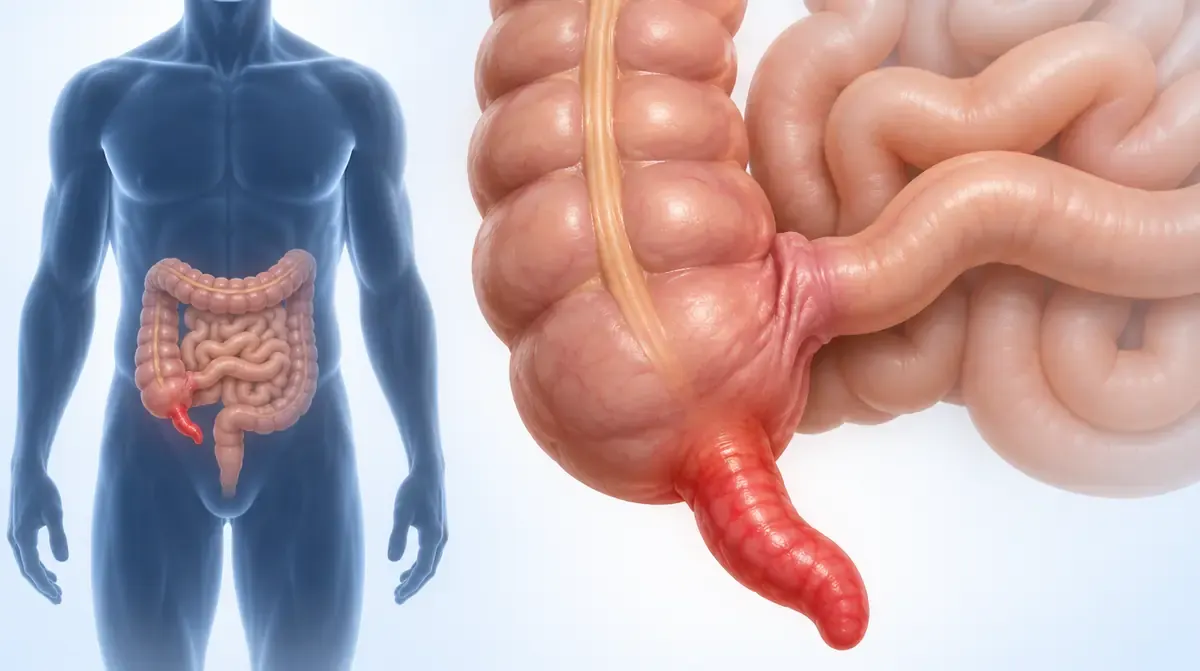
Without treatment, the wall of an inflamed appendix may become necrotic and its integrity may be compromised, The contents of the intestine enter the abdominal cavity and are complicated by peritonitis. Such a condition is considered a "delayed" case, in which the surgical operation is prolonged in terms of time, the patient needs to spend a relatively longer time in the hospital, etc. That is why it is considered that in the presence of acute appendicitis, it is preferable to perform the operation within 24 hours.
Clinical signs and complaints of appendicitis in adults:
In acute appendicitis, pain may begin in the epigastrium, umbilical region, or hypogastrium, with subsequent localization of pain in the ileocecal region.
In the initial stage, the patient may experience nausea and vomiting. More often, fatigue, constipation, and abdominal distension are expressed. Also, a characteristic complaint of acute appendicitis is an increase in temperature, and in the presence of perforation, severe abdominal pain and tension in the abdominal muscles. It is worth noting that In the elderly or patients with excessive abdominal fat, muscle tightness or severe pain may not be evident due to weakness and thickness of the abdominal muscles.
During the examination, the doctor checks for several specific signs: pain when pressing on the right lower quadrant (at the McBurney point), increased pain when quickly moving the hand in the ileocecal region (Blumberg's symptom), pain on palpation of the right left iliac fossa (Rovsing's symptom). 
PS: The examination of the penis must be performed by a surgeon. and not the patient himself, because the patient may The symptoms of a stroke may be considered unserious, or a similar symptom may not be detected upon proper examination, prolonging the patient's desire to seek medical attention.
Appendicitis in children: why it's hard to recognize

In children, especially under the age of 5, appendicitis occurs atypically: the child has difficulty indicating the exact location of the pain, the entire abdomen hurts. In children, the intestinal wall is relatively thin, That is why perforation occurs more often in children than in adults.
What should parents pay attention to:
- The child refuses. At mealtimes, he is unusually quiet and bored;
- Prefers to bend legs towards stomach;
- Refuses to jump or cries when the belly is touched;
- Vomiting and nausea are more common in children;
If a child has the following complaints - abdominal pain, fever, nausea, and vomiting - it is best to contact the clinic.
Diagnosis in the clinic: how long does it take to make a diagnosis?
Diagnosing appendicitis requires a doctor's examination and a combination of laboratory and instrumental studies, which can be completed in just a few hours at Bochorishvili Clinic:
- Surgeon's examination : localization of pain, specific symptoms, anamnesis;
- Complete blood count : Increased leukocytes (10-18 × 10⁹/L) indicates inflammation;
- Urinalysis : To rule out or confirm an underlying urinary tract infection.
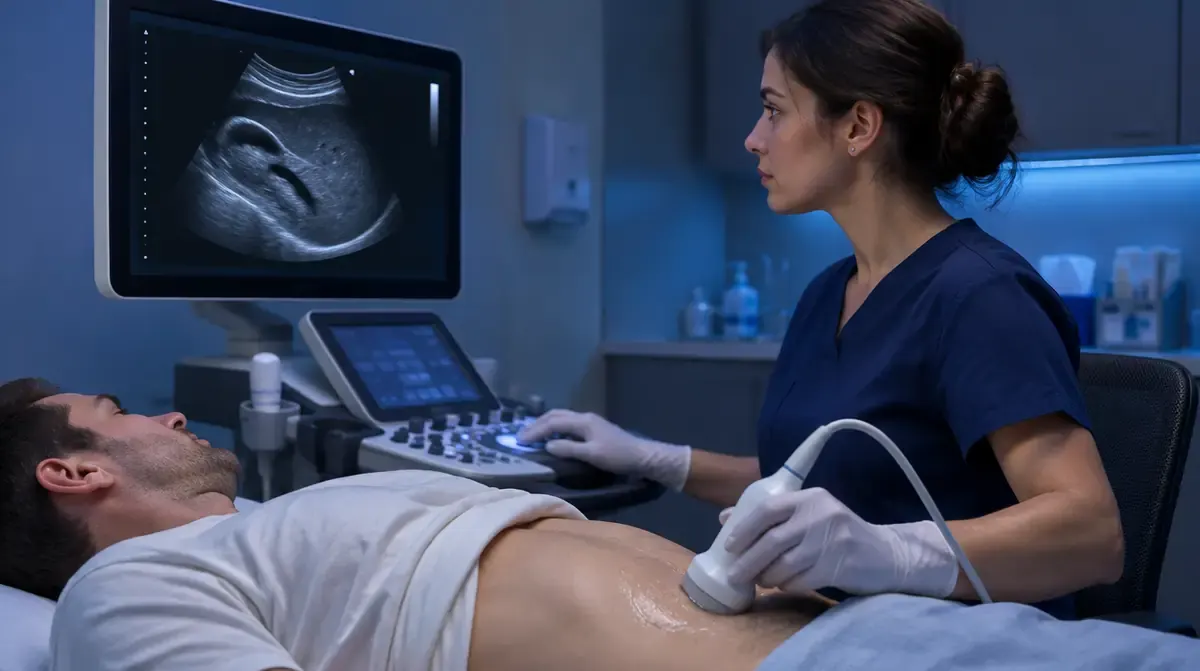
- Abdominal ultrasound : shows a thickened appendix (diameter > 6 mm) and the presence of fluid in the abdominal cavity, which is often due to intestinal infection.
- Computed tomography : For accurate diagnosis verification, when the existing complaints are not sufficient to establish or exclude the clinical diagnosis of acute appendicitis, we use computed tomography, at which time its accuracy in our clinic reaches 95%.
When verifying the diagnosis in women, it is necessary to exclude many acute gynecological pathologies to make a diagnosis.
Surgery for acute appendicitis: Laparoscopic or open (traditional) method?
Appendectomy, the removal of the appendix, is one of the most common emergency surgeries in the world. The standard approach at Bochorishvili Clinic is laparoscopic. 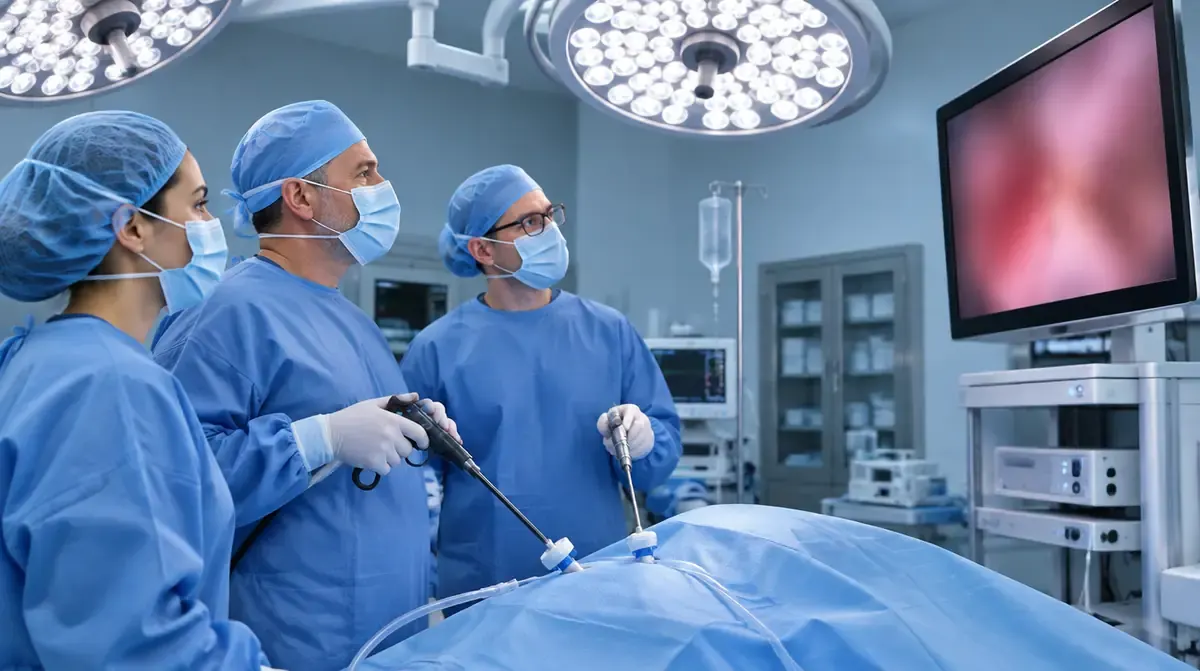
|
Characteristic |
Laparoscopic appendectomy |
Open (traditional) surgery |
|
Rate |
3 small (2-3 mm) |
One, 5-8 cm |
|
Duration |
30-60 minutes |
30-60 minutes |
|
Anesthesia |
General |
General or spinal |
|
In the hospital |
1-2 days |
2-4 days |
|
Pain after surgery |
Small |
More pronounced |
|
Risk of wound infection |
Low |
Higher |
|
Return to normal mode |
7-10 days |
2-3 weeks |
An additional advantage of the laparoscopic method is its diagnostic value: with the help of a special camera, it is possible to examine the entire abdominal cavity, as well as to adequately sanitize and drain the fluid that has leaked into the abdominal cavity.
After surgery: days, meals, activity
- First day : getting up and walking on the evening of the surgery;
- 2-3 days : Discharge home; medical treatment.
- Diet for the first week : light, easily digestible (porridge, boiled chicken, yogurt); exclude fatty, fried foods, legumes, and carbonated drinks.
- Wound care : Treat wounds daily with antiseptic solutions.
- Physical activity : walking from day one; weight lifting after 1 month.
- At work/school : after 7-10 days.
Signs of complications that require immediate medical attention: temperature above 38°C, discharge or redness from the wound.
Appendicitis surgery at Bochorishvili Clinic
Bochorishvili Clinic provides emergency surgical care 24 hours a day. In case of acute abdominal pain, call the hotline 0322 312 112 or visit the clinic: Tbilisi, Al. Kazbegi Ave. 16. Scheduled consultation: by online registration .
More articles
 Hemorrhoids
The 4 stages of hemorrhoids, which ointment works and when surgery is needed. Signs of bleeding, treatment methods and recovery.
 Acute intestinal infections during the summer - causes, prevention and management
Why do intestinal infections become more common, especially during the summer?
 Thyroid dysfunction
Symptoms of thyroid dysfunction in women and men.
 The impact of air pollution on the lungs
Air pollution and the importance of pulmonary function tests in assessing respiratory health
 Magnetic resonance imaging (MRI) of the brain
Brain magnetic resonance imaging (MRI) at Bochorishvili Clinic on the Siemens MAGNETOM Vida 3T. Learn when the scan is prescribed and how it is performed.
 Arrhythmia in children – what parents should know.
Interview with a pediatric cardiologist: Arrhythmia in children - what should parents know?!
Frequently Asked Questions