Diabetic foot: early signs and treatment
How to recognize a diabetic foot, when to seek emergency care, and what treatment, daily care, and self-examination involve.
Diabetic foot is a condition associated with diabetes in which decreased sensation and poor circulation make the foot vulnerable to injury, ulcers, and infection. The initial injury may be a small blister, crack, or abrasion from a shoe. The absence of pain does not necessarily mean that the problem is minor.
Two habits are particularly helpful for early detection: checking your feet daily and responding quickly to any new changes. If a person has difficulty seeing their feet, having a family member help is a practical part of daily care. Source: CDC — Diabetes and Feet .
Three mechanisms operating simultaneously
Sensory impairment, inadequate blood supply, and infection often coexist. However, not all three problems occur simultaneously or with the same severity in every patient.
Neuropathy - why the patient does not feel pain
When nerves are damaged, the sensation of pain, heat, and pressure may be reduced. A person may not notice a small object in their shoe or a blister on their skin, and may still be able to walk on the injured area.
Angiopathy - Why tissue fails to heal
When blood vessels are constricted, less oxygen and nutrients are delivered to the tissue. Therefore, the wound may heal more slowly. Local treatment alone will not be sufficient if there is also a significant disruption of the blood supply.
Infection - why it spreads faster than usual
An open wound provides an entry point for germs. With poor circulation and poor glucose control, infection can become difficult to manage. The rate of spread varies, but involvement of deeper tissues and bone is a real risk. Source: NIDDK - Diabetes, Arterial Disease, and Foot Ulcers . 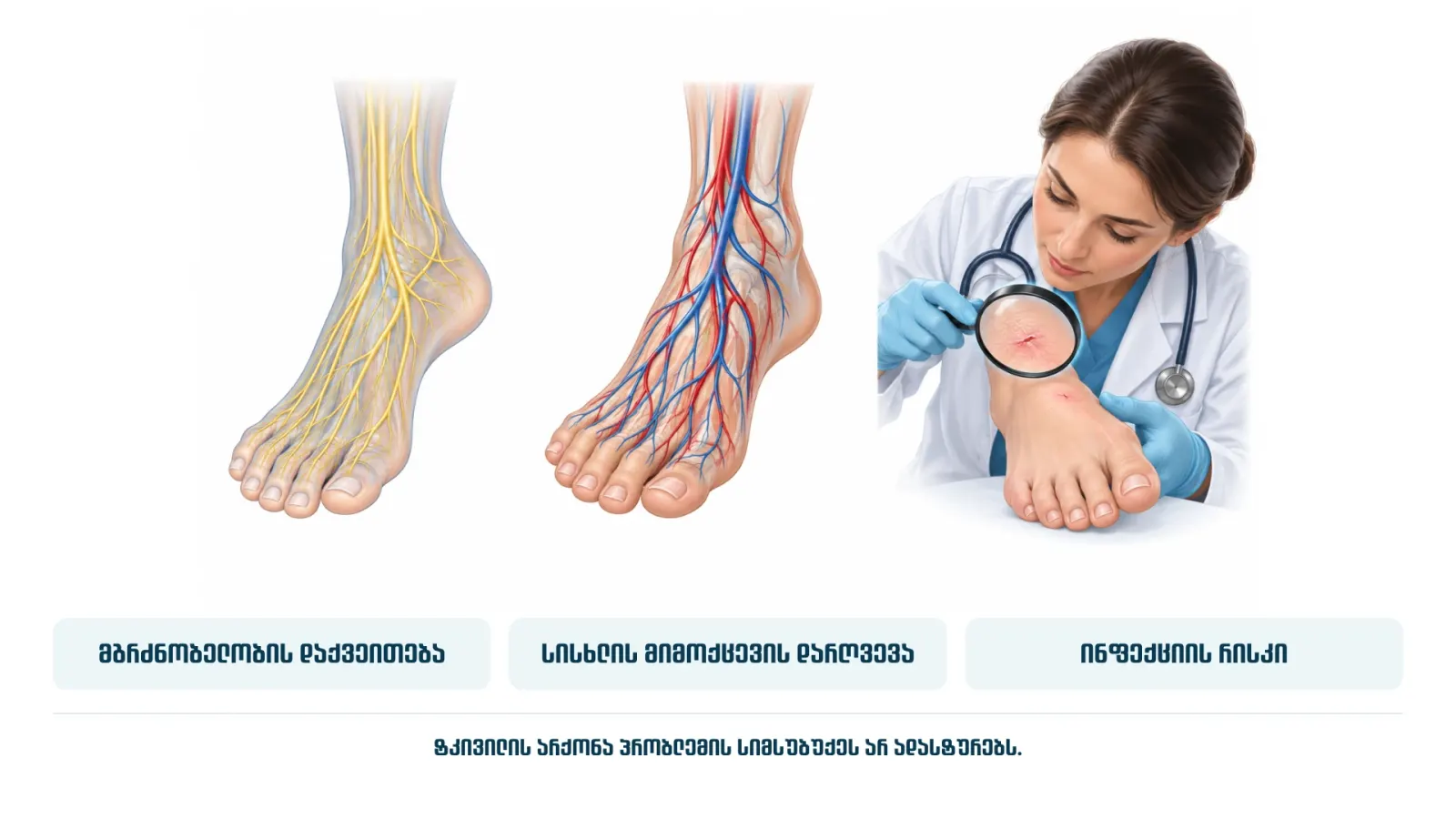
Why neuropathy is the most insidious - painless damage phenomenon
Pain usually makes us avoid the injured area. When sensitivity is lost, this warning mechanism is weakened: a person can have an ulcer and still walk normally.
A newly red, hot, and swollen ankle, even if there is little pain, is especially concerning. In addition to infection, the cause could be Charcot's ankle, a condition in which the bones and joints become damaged. Prompt evaluation and restriction of activity as directed by a doctor are necessary.
Early signs that we often don't notice
Check your feet daily for dryness and cracking, new redness, swelling, blistering, discharge, and color changes. Compare your feet: Is one noticeably hotter or colder? Is there a dark area under the callus?
Thickened nails, fungal infections, and ingrown toenails are not in themselves a serious infection, but they can increase the risk of pressure and skin damage. Talk to a professional about safe nail care. 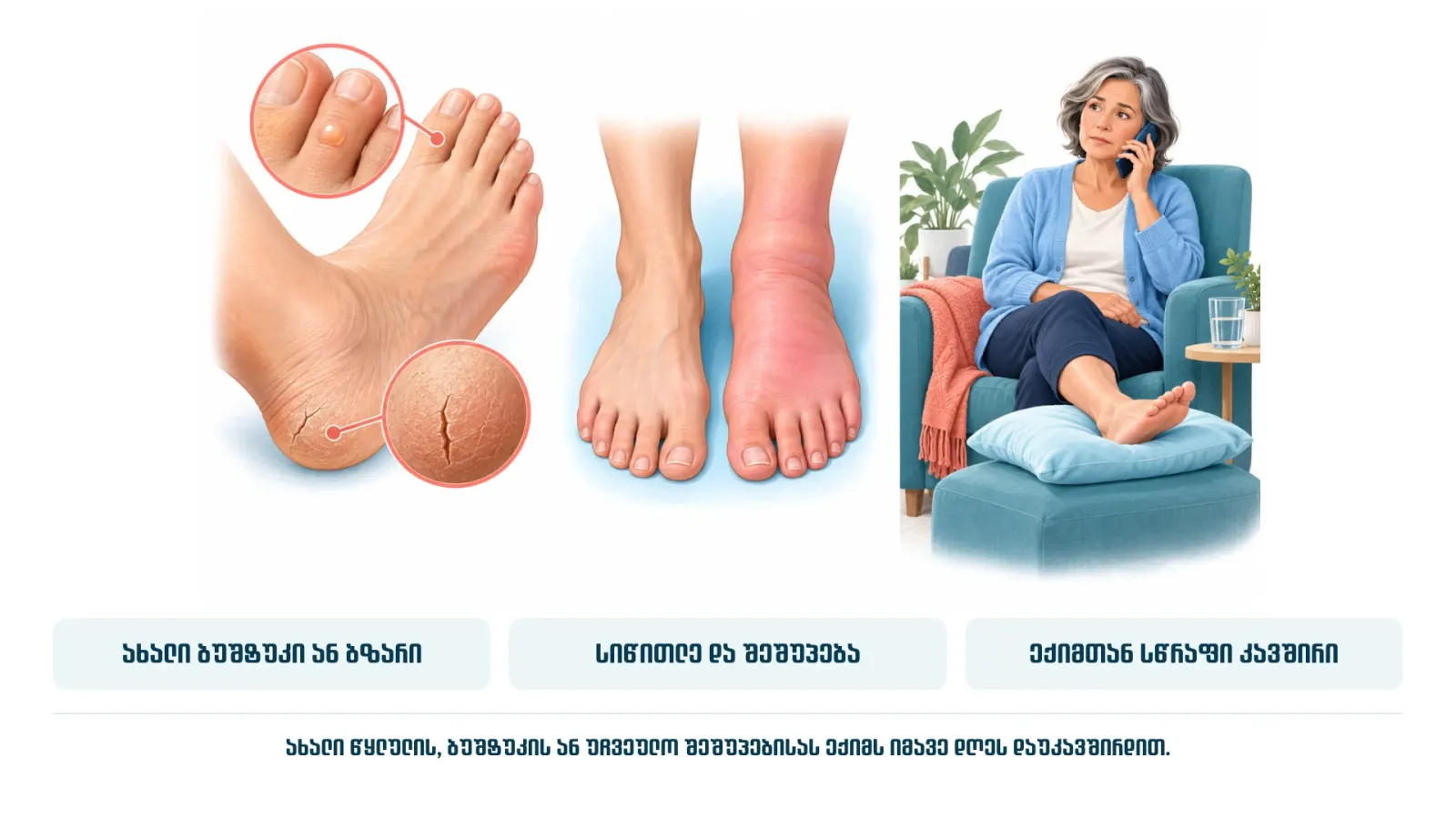
Red flags when to address them within 24 hours
If you notice a new ulcer, blister, pus, redness or unusual swelling, contact your doctor the same day. Don't wait until you feel pain. NICE recommends urgent referral to a specialist service for active diabetic foot problems, and immediate care for limb or life-threatening conditions.
You should not wait 24 hours if the ankle turns black, cold or very pale; the wound is accompanied by fever and severe general condition; the redness spreads quickly; confusion or difficulty breathing occurs. In such cases, seek emergency help, if necessary, call 112. Source: NICE NG19 . 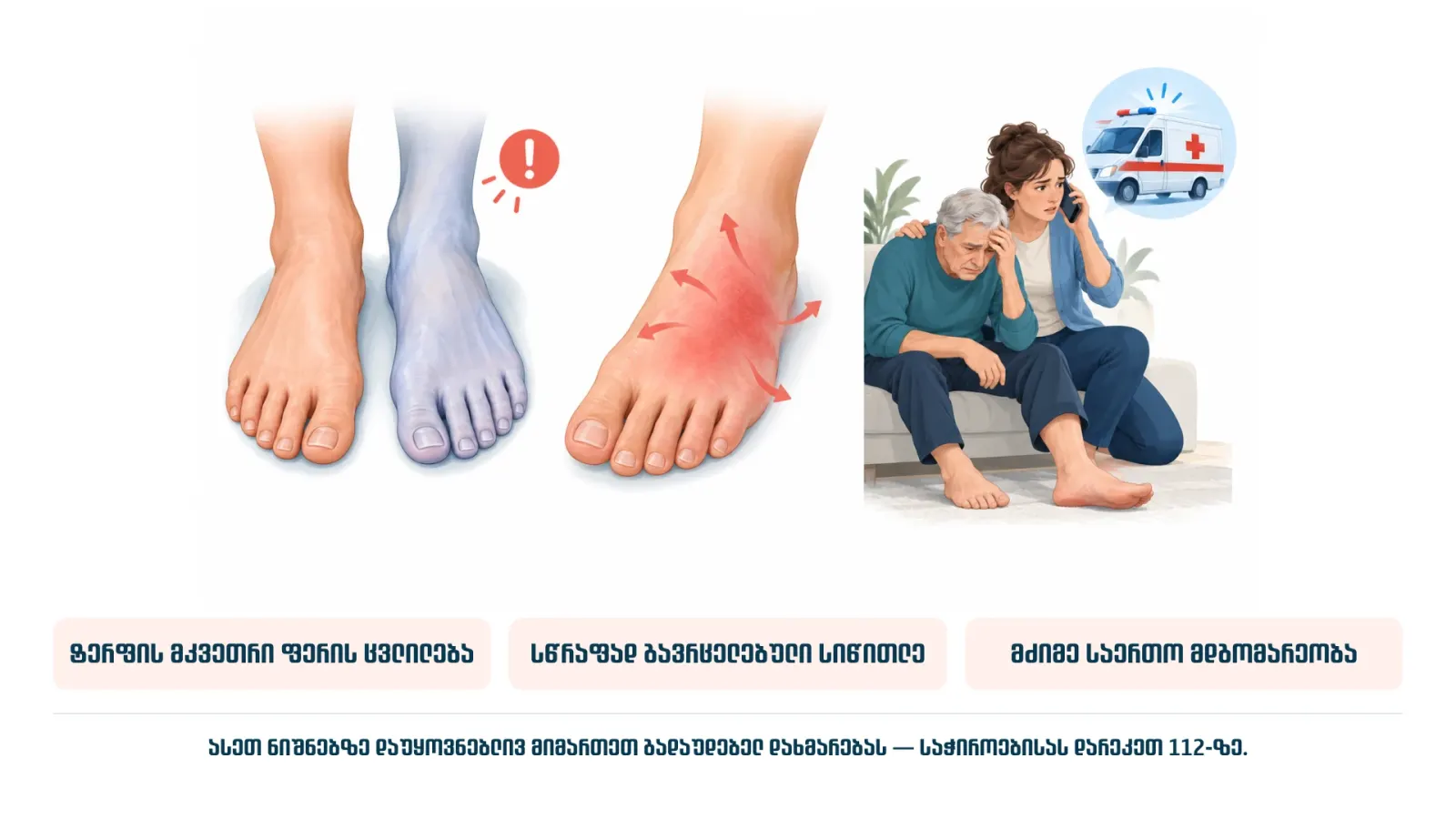
Diagnosis: Clinical evaluation, Doppler, imaging if osteomyelitis is suspected
The doctor checks the size and depth of the wound, signs of infection, sensation in the ankle, and blood circulation. Pulse assessment may be supplemented by Doppler and other vascular studies.
If a bone infection - osteomyelitis - is suspected, clinical evaluation, laboratory data and radiography are used; in uncertain cases, MRI may be necessary. Information about the device available at the clinic is provided on the Siemens MAGNETOM Vida 3T page ; the need for the study is determined by the doctor. The color of the wound or a single analysis alone is not enough to confirm the infection. 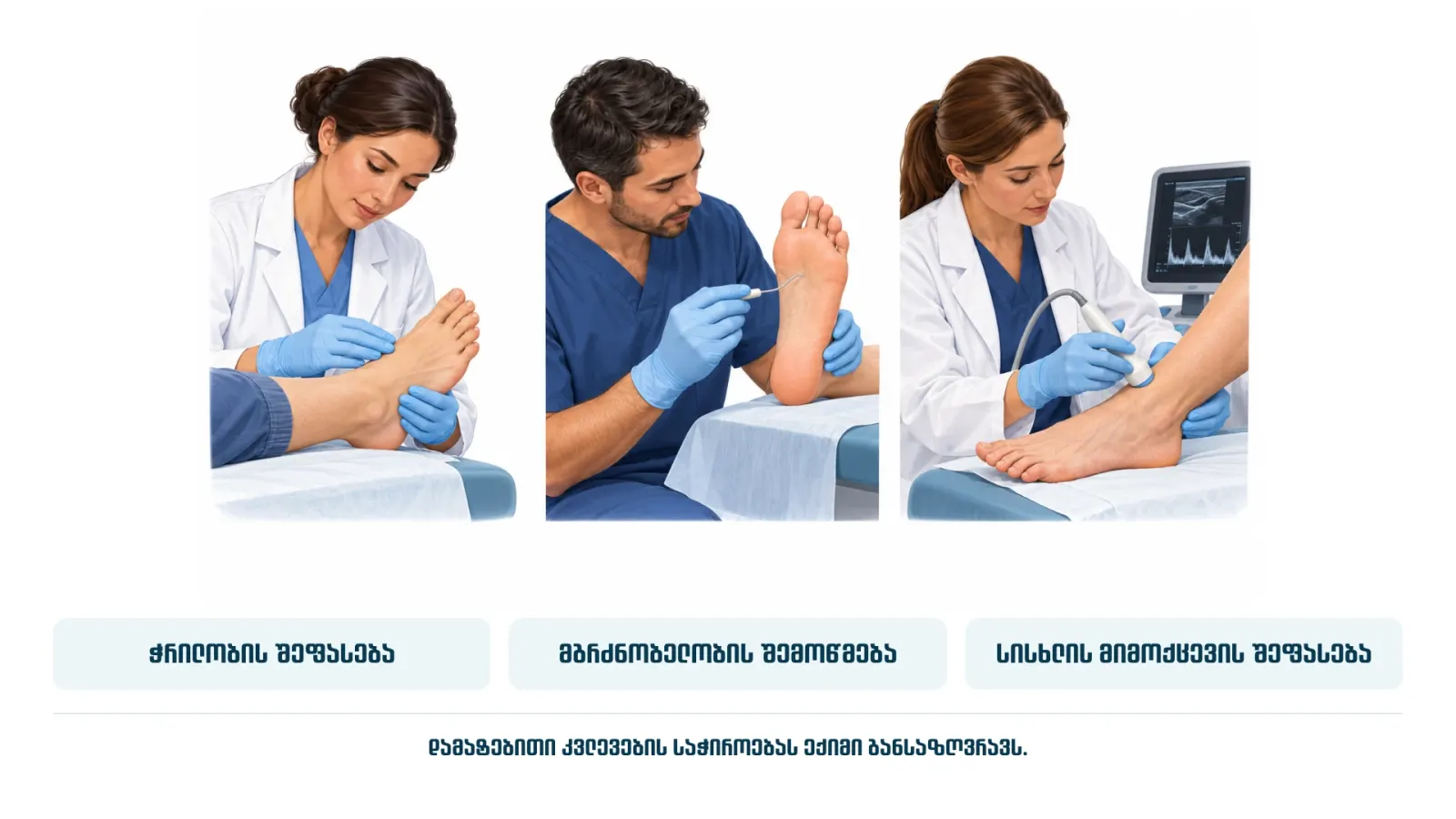
Multidisciplinary approach to treatment - endocrinologist, surgeon, vascular surgeon
Treatment includes glucose management in conjunction with an endocrinologist , wound care, treatment of infection if necessary, and improvement of circulation. It is also necessary to relieve the injured area - reduce pressure with specially selected means. Applying ointment alone will not eliminate the repetitive trauma caused by walking.
The patient should know who is coordinating the plan and when the next assessment is due. The Department of Purulent Surgery at the Bochorishvili Clinic describes collaboration with other specialists in the management of diabetic foot infections. 
When is surgical intervention necessary?
Urgent surgical evaluation may be necessary for deep abscesses, necrotic tissue, gangrene, or severe infection. Sometimes drainage of pus, removal of damaged tissue, or evaluation by a vascular surgeon and intervention to restore blood flow are required.
Surgical treatment does not automatically mean amputation. The goal is to control infection and preserve viable tissue. However, in cases of irreversible damage or a life-threatening process, amputation may be necessary. Not all ulcers are infected, and antibiotics are not prescribed to speed healing in uninfected ulcers. Source: IWGDF/IDSA .
Daily Self-Inspection Checklist (Downloadable PDF)
You can save or print this short list and use it every day. Download the Ankle Self-Inspection Checklist .
- I examined the surfaces of both feet, the heels, the soles, and the spaces between the toes.
- I checked to see if there were any new cracks, blisters, sores, or discharge.
- I compared the color of my feet, the swelling, and the unusual temperature difference.
- I checked the inside of the shoe for any stitching, foreign objects, and damaged insoles.
- I put on clean socks and properly fitting shoes.
- When I discovered a new change, I contacted the medical team.
If you can't see the bottom of your foot well, use a mirror or ask a family member for help. Taking a photo can be helpful to monitor changes, but it's not a substitute for seeing a doctor. 
Prevention: shoes, nail care, daily inspection
Do not walk barefoot. Avoid tight shoes, heat, and hot water; with reduced sensitivity, burns can develop unnoticed. After washing, dry your feet carefully, especially between the toes.
Do not cut the callus yourself or use an acidic solution to remove it. If you have difficulty seeing the nail, cannot reach it, or it is thickened, consult a specialist. A full foot assessment should be considered at least annually in people with diabetes, and more frequently in those at high risk. 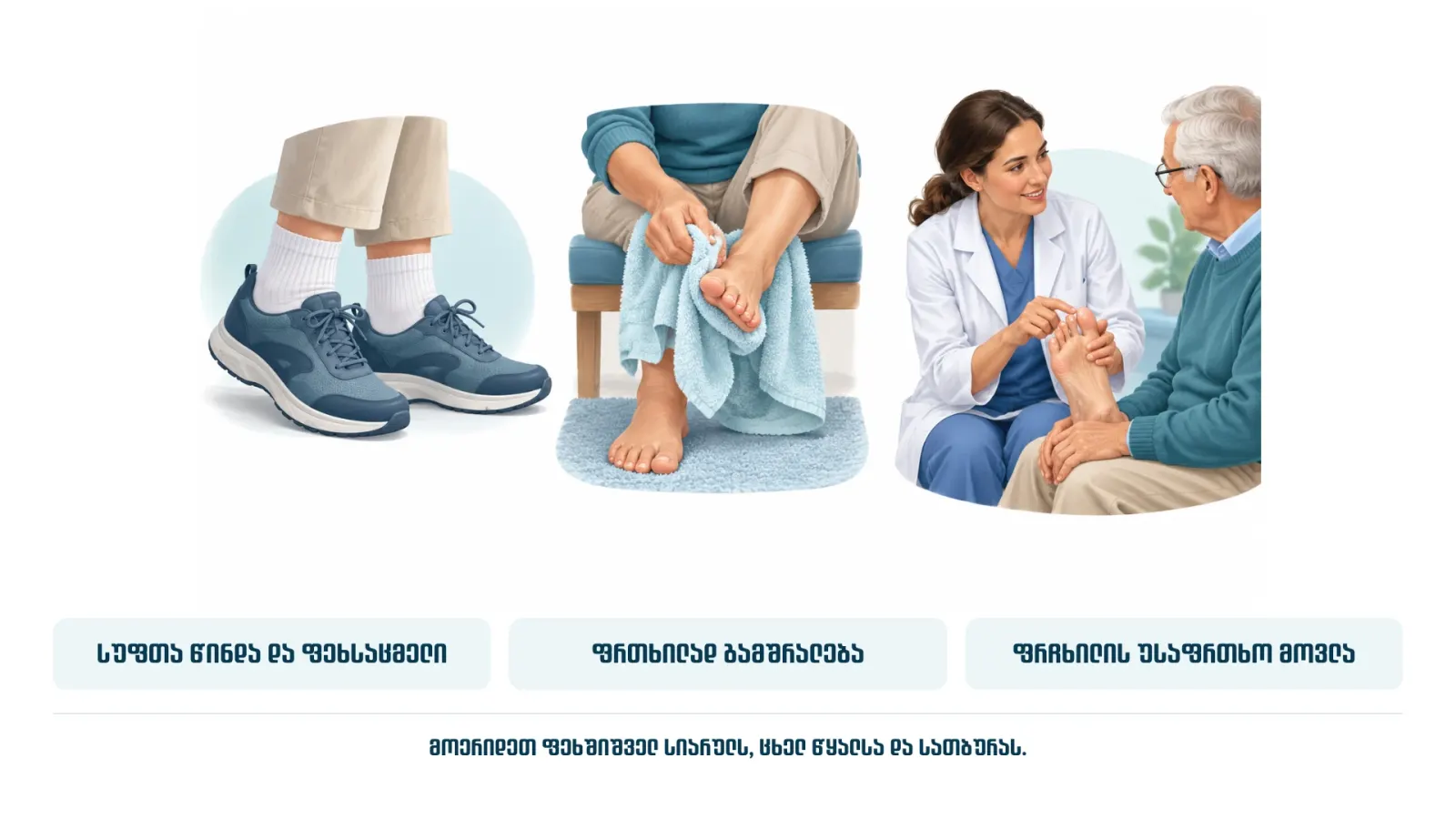
Frequently Asked Questions