Gastric Ballooning: Candidates, Results, and Risks
Who is eligible for gastric ballooning, how is the procedure and adaptation, what role does nutrition play, and how to maintain the results.
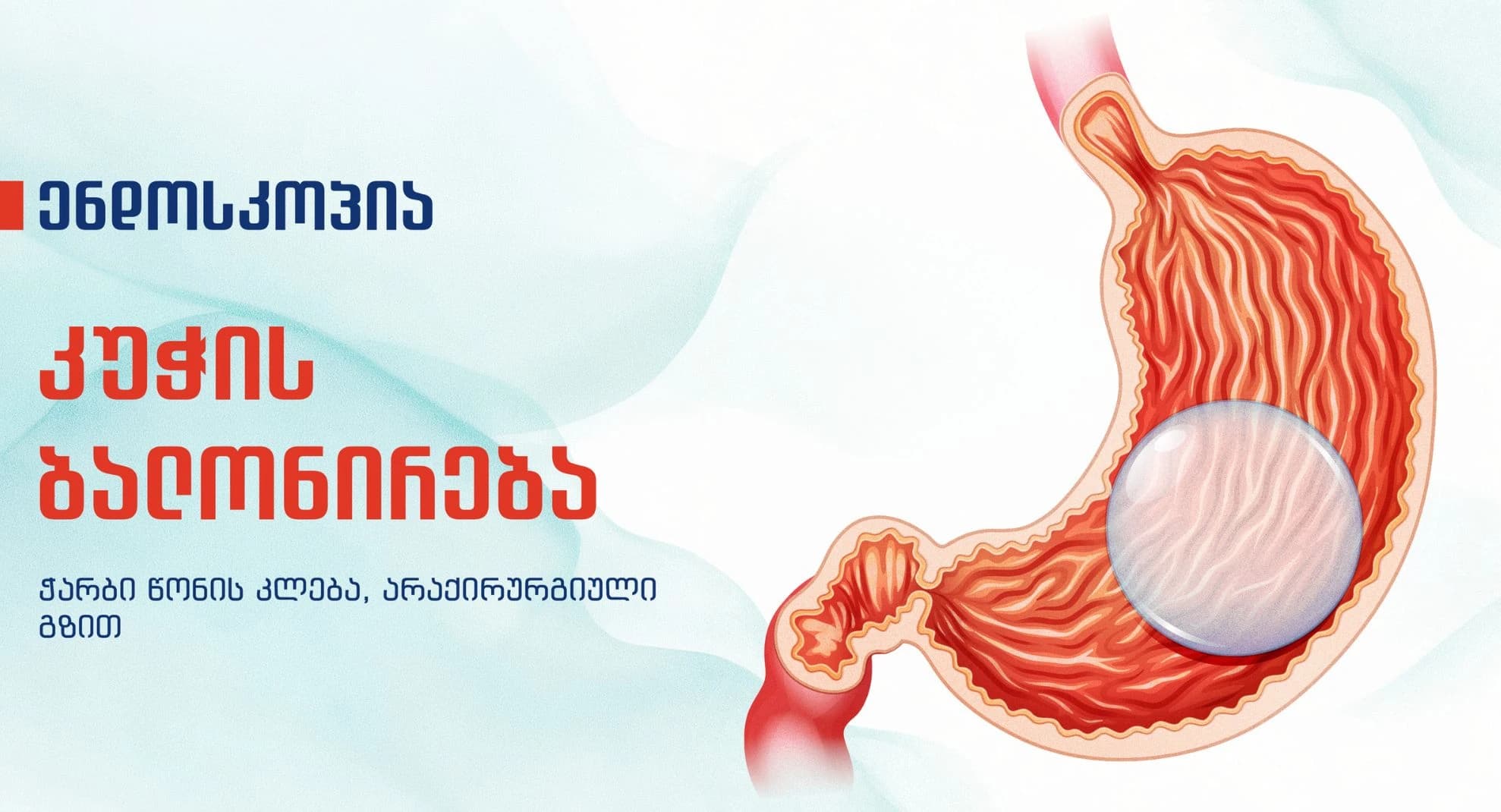
Gastric Ballooning - The Complete Guide
Gastric ballooning is a temporary weight management method: a special device is placed in the stomach, which helps to achieve a feeling of fullness. This procedure is an integral part of a nutrition program and subsequent monitoring. The balloon cannot independently determine how balanced a person’s diet is and how long the achieved results will be maintained.
There are three things to consider when considering this method: whether it is appropriate for your health condition, which device is used, and how support will continue after it is removed. Making a decision based solely on the promised pounds is not enough. Source: FDA - Weight Management Devices .
How does a gastric balloon work - physiological mechanism
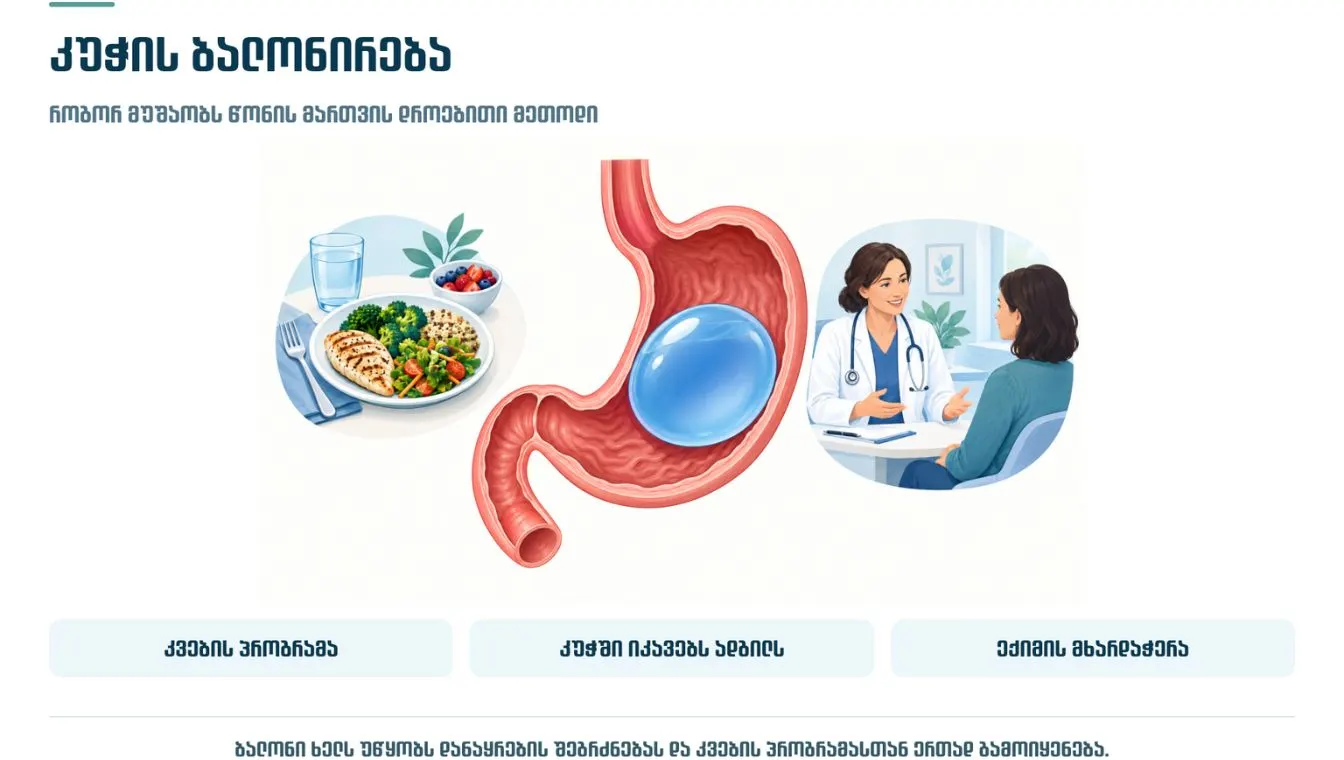
The balloon takes up space in the stomach and may also slow gastric emptying. As a result, smaller meals can cause bloating sooner. The effect is influenced by the type of device and the person's response.
If the diet is dominated by high-calorie drinks or frequent snacking, reduced portions will not provide the desired results. Therefore, the goal of the procedure is to promote the formation of habits that will continue without the balloon.
Who is ballooning available for?
Information on the assessment of overweight and metabolic disorders is available on the clinic's endocrinology page. The candidate is assessed by a doctor: taking into account body mass index, comorbidities, previous weight management attempts, and ability to participate in subsequent visits. BMI is calculated by dividing body weight (kg) by height (m) squared. 
The criteria are not the same for all cylinders. For example, the US registration indication for ORBERA includes adults in the BMI range of 30-40 kg/m² and a long-term, supervised nutritional and behavioral modification program. This is a device-specific criterion and does not automatically apply to all systems used in Georgia. Source: FDA - ORBERA Indication .
Who is this method not for - contraindications
A gastroenterologist may be consulted to evaluate existing gastric conditions . Contraindications to balloon placement may include pregnancy, certain gastric surgeries, active ulcers, significant bleeding risk, or certain upper gastrointestinal diseases. Eating disorders and inability to follow planned follow-up also require separate evaluation.
The list is not exhaustive. The final decision should be based on the instructions for the chosen device and the doctor's assessment. Be sure to mention previous surgeries and all medications during the consultation. Source: Clinical Review - Intragastric Balloon .
Step-by-step procedure: insertion and removal
In the case of an endoscopically placed balloon, the process usually includes:
- Health assessment and endoscopic examination of the stomach .
- Agreeing on a sedation or anesthesia plan.
- Placement of the balloon with an endoscope and filling it in the appropriate manner.
- Observation and receiving instructions on nutrition, medication, and contact.
- Remove the device within a predetermined time frame.
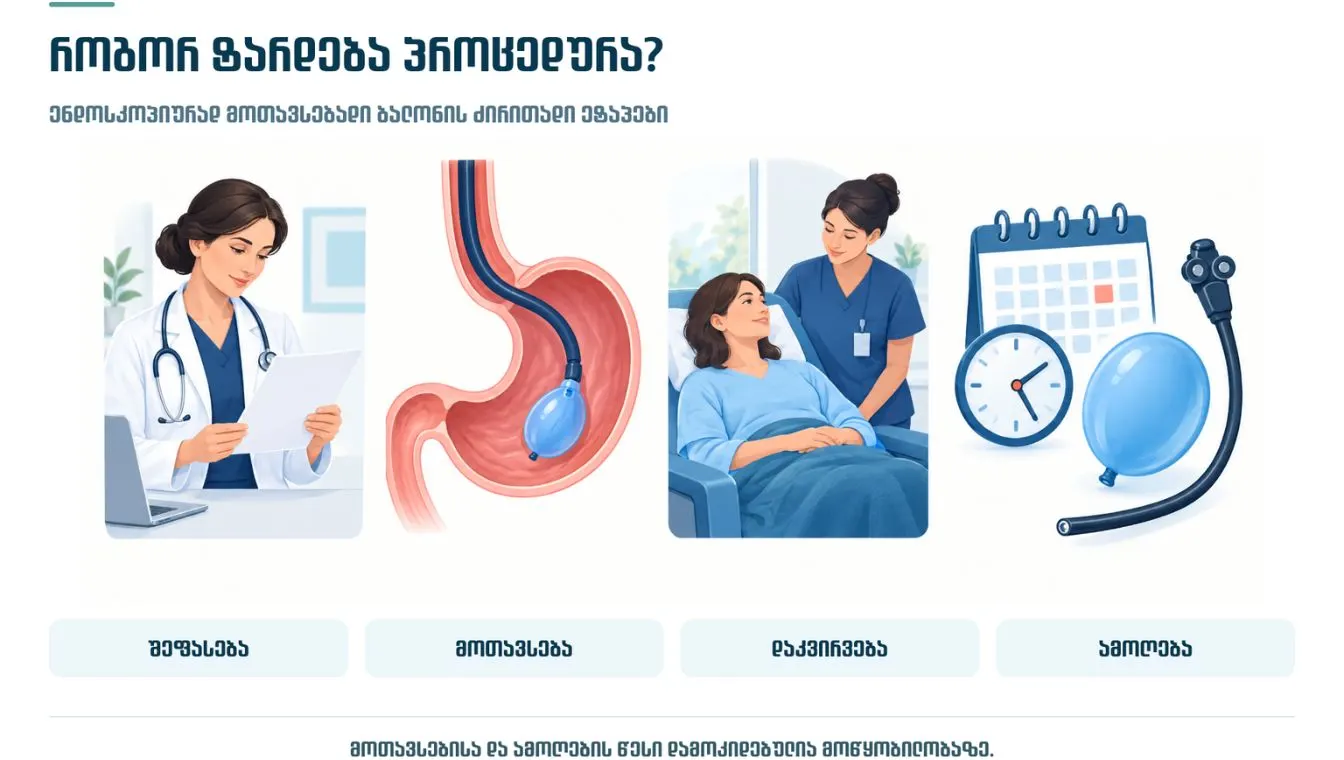
For information on the technologies used to examine the gastric mucosa, please refer to the clinic's OLYMPUS EVIS X1 CV-1500 endoscopic system description . Specific balloon placement techniques should be discussed with your healthcare team.
There are different systems, including swallowable devices. Therefore, the procedure described for one balloon does not apply to another. You should know the removal or expiration date before placement and not postpone it arbitrarily.
The first week - what to really expect (adaptation period)
Nausea, abdominal cramps, vomiting, or reflux are expected in the first few days. The intensity of symptoms varies; sometimes intolerance requires premature removal of the balloon. 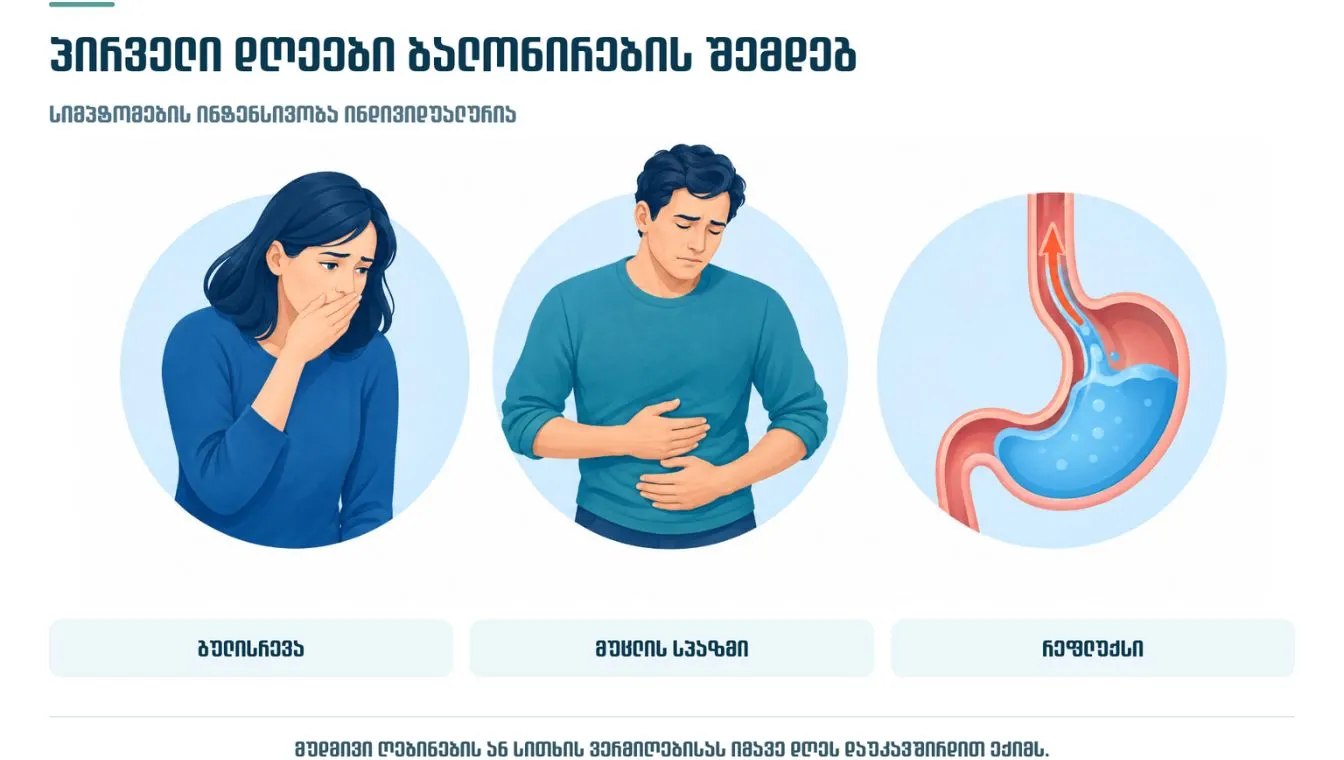
Persistent vomiting and loss of fluid intake should not be considered simply “adaptation.” In such cases, contact your doctor the same day. Severe or increasing abdominal pain, bloody vomiting, and difficulty breathing require urgent evaluation.
Nutrition program and dietitian accompaniment - why it is critical
Food texture and portions are gradually changed according to the treatment team's plan. In the first stage, the main tasks are fluid intake and assessment of food tolerance; then attention is paid to protein, a varied diet, and regular meals. 
The subject of discussion with a dietitian should be your real day: when you work, where you eat, and what triggers your overeating. A helpful plan fits into your daily life. Strict restrictions that you can only follow for a few weeks are a weak foundation for long-term results. Source: NHLBI - Nutrition and Behavioral Support .
Maintaining the result after balloon removal
Expected weight loss depends on the device used, the patient's starting weight, and their participation in the program. Ask your doctor to explain the expected result as a percentage of the starting weight and a specific time frame. For example, 10% of the starting weight of 100 kg is 10 kg - this is an example of a calculation, not a promise of results. 
After the balloon is removed, the feeling of fullness may change. Scheduled visits, regular monitoring of weight changes, and revision of the treatment plan if necessary help a person to notice a tendency to regain weight in a timely manner.
Possible side effects and risks
In addition to nausea, reflux, and dehydration, ulcers, balloon damage or displacement, and intestinal obstruction may occur. Spontaneous balloon overinflation and pancreatitis have been reported with certain fluid-filled systems. There are rare, life-threatening complications.
Before the device is placed, request a detailed explanation of the risks of the specific device and an emergency contact. In cases of severe pain, a telephone assessment or waiting until the next visit is not always sufficient.
Balloon vs Bariatric Surgery - What's the Difference?
Issue | Gastric balloon | Bariatric surgery |
|---|---|---|
The essence of the intervention | Temporary device in the stomach | Surgical alteration of the digestive system |
Duration | Device specific period | Long-lasting anatomical effect |
Decision | Device indications and individual assessment | Obesity severity, diseases, and surgical evaluation |
Further support | Nutritional and medical supervision | Long-term monitoring, including control of nutritional deficiencies |
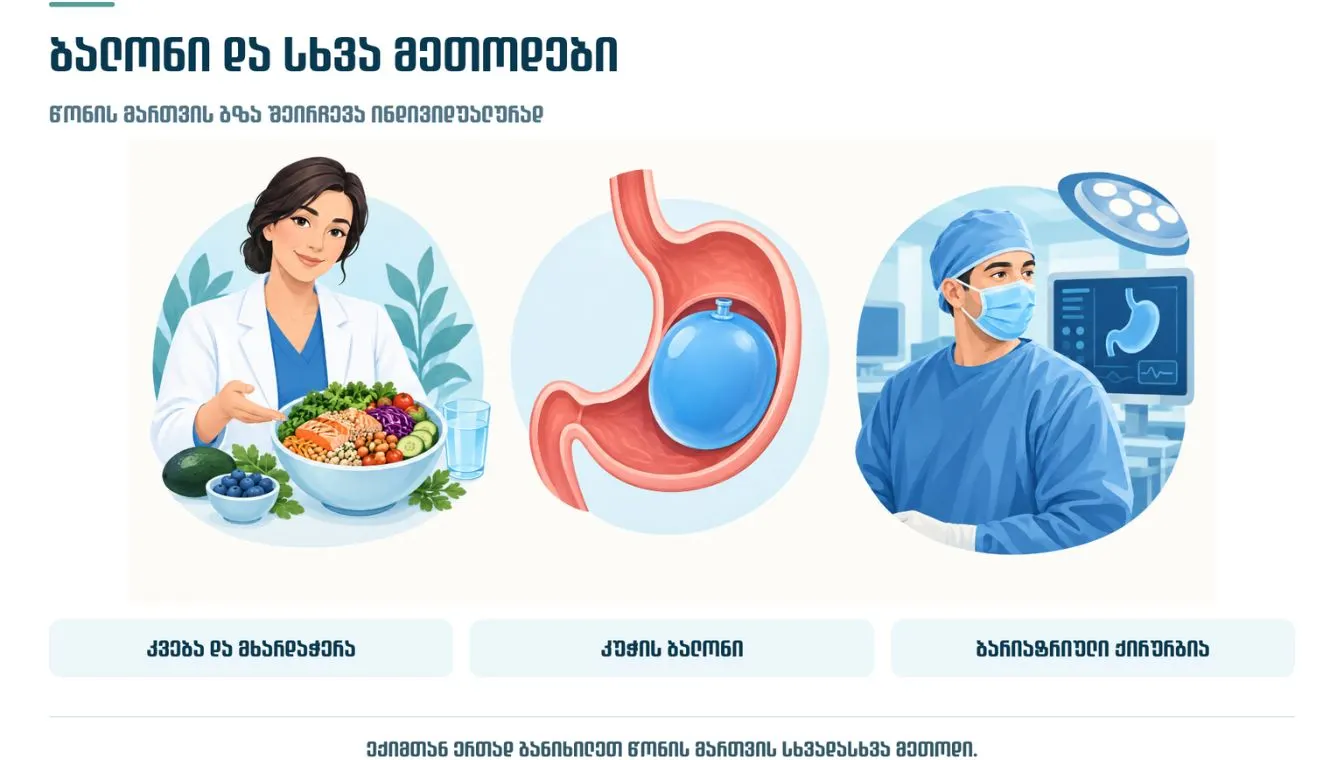
For more information on surgical weight management options, read the Clinic's blog on bariatric surgery . Your choice should also include consideration of other weight management options. A balloon is not enough for everyone, and surgery is not necessary for everyone. Source: NIDDK - Bariatric Surgery .
Frequently Asked Questions