Spasmodic cough - treatment, causes and medications
Learn what causes a spasmodic cough and how to treat it. Distinguish an allergic cough from a cold, and discover effective medications.
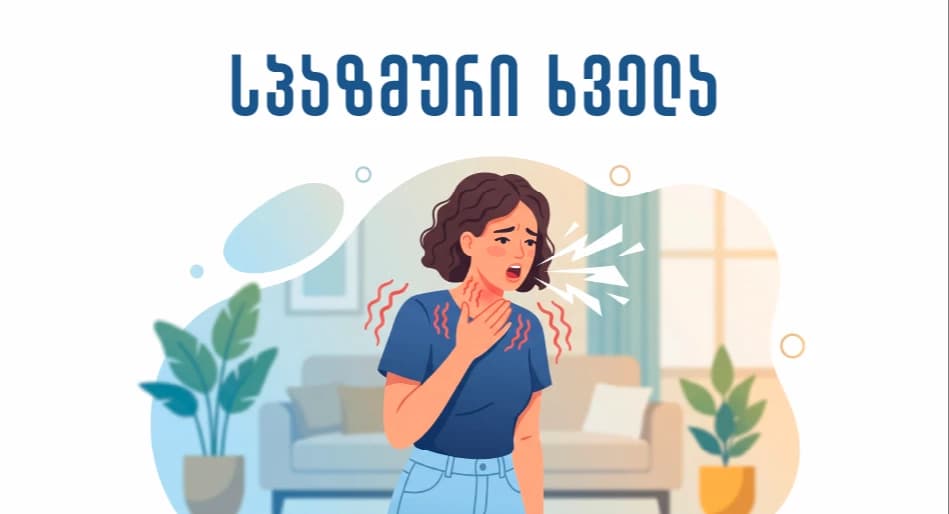
Often, a dry cough lasts for weeks without a fever or runny nose. It often begins with a sudden, irritating tickle in the throat, followed by a spasmodic cough that never ends.
In such cases, the problem is usually not the virus but an overreaction of the immune system. Your body acts like an overzealous security guard, mistaking a completely harmless guest—like house dust—for a dangerous intruder and setting off a false alarm to immediately chase it away.
This is an allergic cough : a natural but excessive defensive reaction of the body.
Doctors note that people often confuse this condition with the common cold . Its main signs are the absence of fever and unexplained spasms . Early recognition of these signs can help you get rid of annoying symptoms and regain restful sleep. 
Allergy or cold? 5 signs to tell the difference
When a cough persists for weeks and standard cold medications prove ineffective, people often waste time and money on the wrong treatment.
The underlying cause is often an immune system response, not a viral infection. Knowing how to distinguish an allergic cough from a cold can help you avoid unnecessary discomfort.
To better assess your health and identify symptoms of allergic bronchitis in a timely manner, doctors recommend observing and monitoring five key details:
- Fever: Viral infections usually cause a fever, allergies rarely.
- Accompanying symptoms: Burning eyes and a feeling of tightness in the throat strongly indicate an allergic background.
- Color of phlegm: Mucus is usually yellow-green during an infection. Nasal discharge from allergies is watery and clear.
- Duration: A cold will go away in one to two weeks, while an allergic reaction can last for months.
- Allergic triggers: Coughing starts suddenly in specific situations, such as unpacking old books, cleaning a dusty room, or walking in the garden in the spring.
If these symptoms sound familiar, your body is likely perceiving harmless substances as threats . To restore restful sleep, you need to identify the invisible internal and external irritants that are causing these respiratory spasms.
Invisible Enemies - What Causes Respiratory Spasms
Imagine a dry cloud that instantly absorbs water and swells. When invisible irritants enter the respiratory tract, a similar allergic inflammatory process begins. The bronchi swell just like that cloud, restricting the free flow of air and causing a constant tickle in the throat.
Indoors, the most common cause is dust mites . Respiratory symptoms are a direct result of daily exposure to them. Even if a room appears perfectly clean, sunlight can expose tiny particles to the air.
Pet dander is another common problem that often causes sudden spasms.
The environment outside, especially in spring and late summer, is changing. Pollen and throat irritation go hand in hand.
Invisible particles from ragweed or other common plants are carried for miles by the wind. The immune system identifies this harmless dust as an invader and activates the cough mechanism to expel it.
This over-caution explains why attacks are often exacerbated by going for a walk or sorting through old belongings . Knowing what your body is fighting against is the first step toward effectively managing a spasmodic cough. 
Managing a Spasmodic Cough - Medications and Natural Remedies
Trying to suppress an allergic cough with standard cough syrup rarely works. Traditional dry cough medications only suppress the cough reflex , while managing allergies requires stopping the underlying cause—the body's overactive defense mechanism.
To deactivate this reaction, your doctor may prescribe antihistamines . These medications block histamine, a chemical that your immune system overproduces when it detects dust or pollen. By reducing swelling in your airways, antihistamines naturally relieve coughing . Experts recommend a comprehensive approach to relieving symptoms:
- Medical intervention: Antiallergic medications prescribed by a doctor.
- Saline solutions: Steam inhalations play a big role in allergies, as the cool mist moisturizes dry mucous membranes and quickly relieves spasms.
- Hydration: Natural cleansing of the respiratory tract begins with plain water and warm tea.
- Environmental control: Isolation of allergens from the source.
Drinking plenty of water is the simplest, yet critical, way to flush out irritating particles from your throat. Plenty of fluids help cells regenerate.
A peaceful night - bedroom arrangement and air humidification
Lying down often increases the sensation of a tickle in the throat . Nocturnal coughing is often associated with a horizontal sleeping position, which allows nasal secretions to drain into the back of the throat ( postnasal drip ).
Dry indoor air aggravates the condition, further irritating sensitive airways and significantly worsening spasms. To address this, maintain a healthy hygroscopic balance (air humidity) in the room.
A humidifier constantly maintains humidity levels of 40-50% , which helps to soften dry mucous membranes. This safe method is especially invaluable in treating dry coughs in children, reducing the need for over-the-counter medications.
To regain restful sleep, make three immediate changes to your bedroom: use a humidifier, purchase dust mite-resistant bedding, and keep the room temperature cool at night. 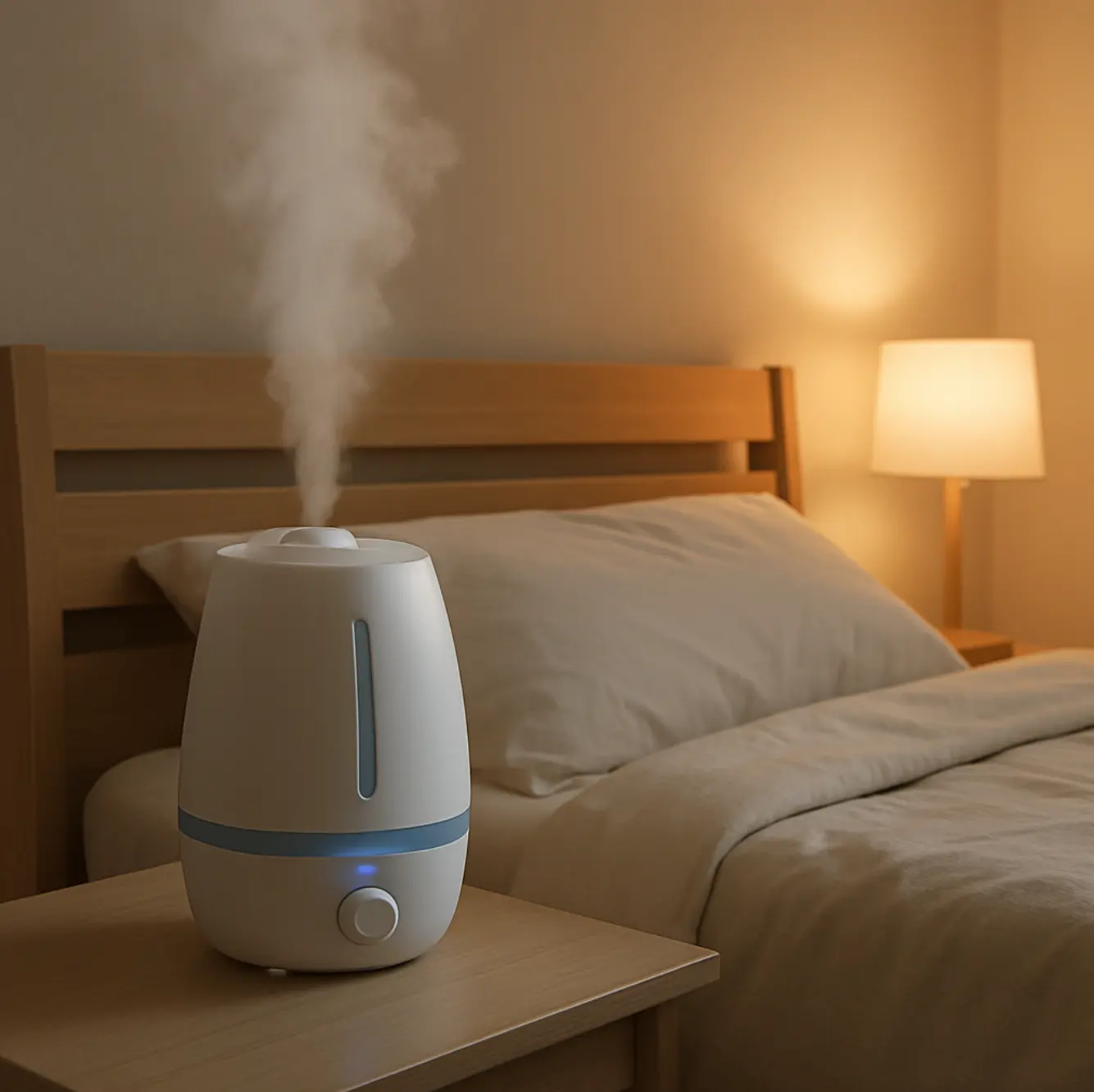
Your action plan - when to see an allergist
If reducing household irritants doesn't work, the next step is a blood test to diagnose allergens. This will determine exactly which specific particles your body is fighting . Ignoring persistent symptoms comes with long-term risks.
A timely consultation with an allergist and a targeted treatment plan will not only relieve you of a constant tickle in your throat, but will also be an effective preventive measure against the development of bronchial asthma in the future.
Frequently Asked Questions