World Diabetes Day: Why you shouldn't wait for symptoms
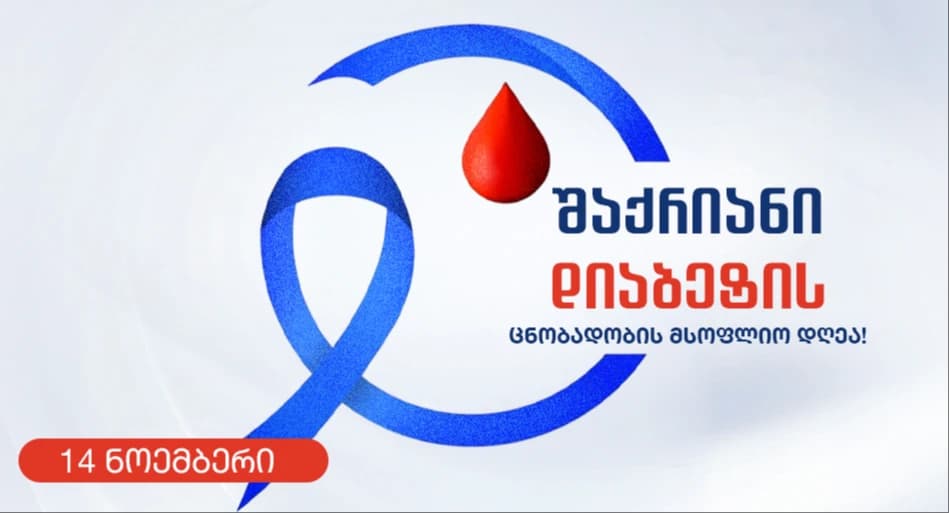
World Diabetes Day is celebrated on November 14. The date coincides with the birthday of Frederick Banting, a scientist who, along with Charles Best, played a significant role in the discovery of insulin. The day has been celebrated since 1991 at the initiative of the International Diabetes Federation (IDF) and the World Health Organization, and since 2006 has had the status of an official UN day.
The theme of the 2026-2027 campaign is "Early Action Against Diabetes," and this year's focus is on early diagnosis and risk reduction.
Why time is crucial
The 11th edition of the IDF Diabetes Atlas estimates that 589 million adults worldwide have diabetes – almost one in nine people. Of these, approximately 252 million are unaware of their diagnosis. This number is projected to increase to 853 million by 2050. More than 90% of cases are type 2 diabetes.
Type 2 diabetes often goes undiagnosed for years. Many patients are diagnosed with the condition when complications have already developed. Undiagnosed and uncontrolled diabetes can damage the cardiovascular system, kidneys, nerves, and vision.
Signals that require attention
- Constant thirst and dry mouth
- Frequent urination, especially at night
- Unexplained fatigue
- Unexplained weight loss
- Blurred vision
- Slow healing of wounds
- Numbness or tingling sensation in the legs
Who needs to be tested even without symptoms?
Testing is recommended even without symptoms if:
- You are over 45 years old.
- Are you overweight?
- Do you have high blood pressure?
- A family member has diabetes
- You had gestational diabetes during pregnancy.
Two simple tests are enough for this: fasting glucose and glycated hemoglobin (HbA1c).
Diabetes, if detected early, is manageable. A diet, physical activity, and treatment selected by a doctor significantly reduce the risk of complications.
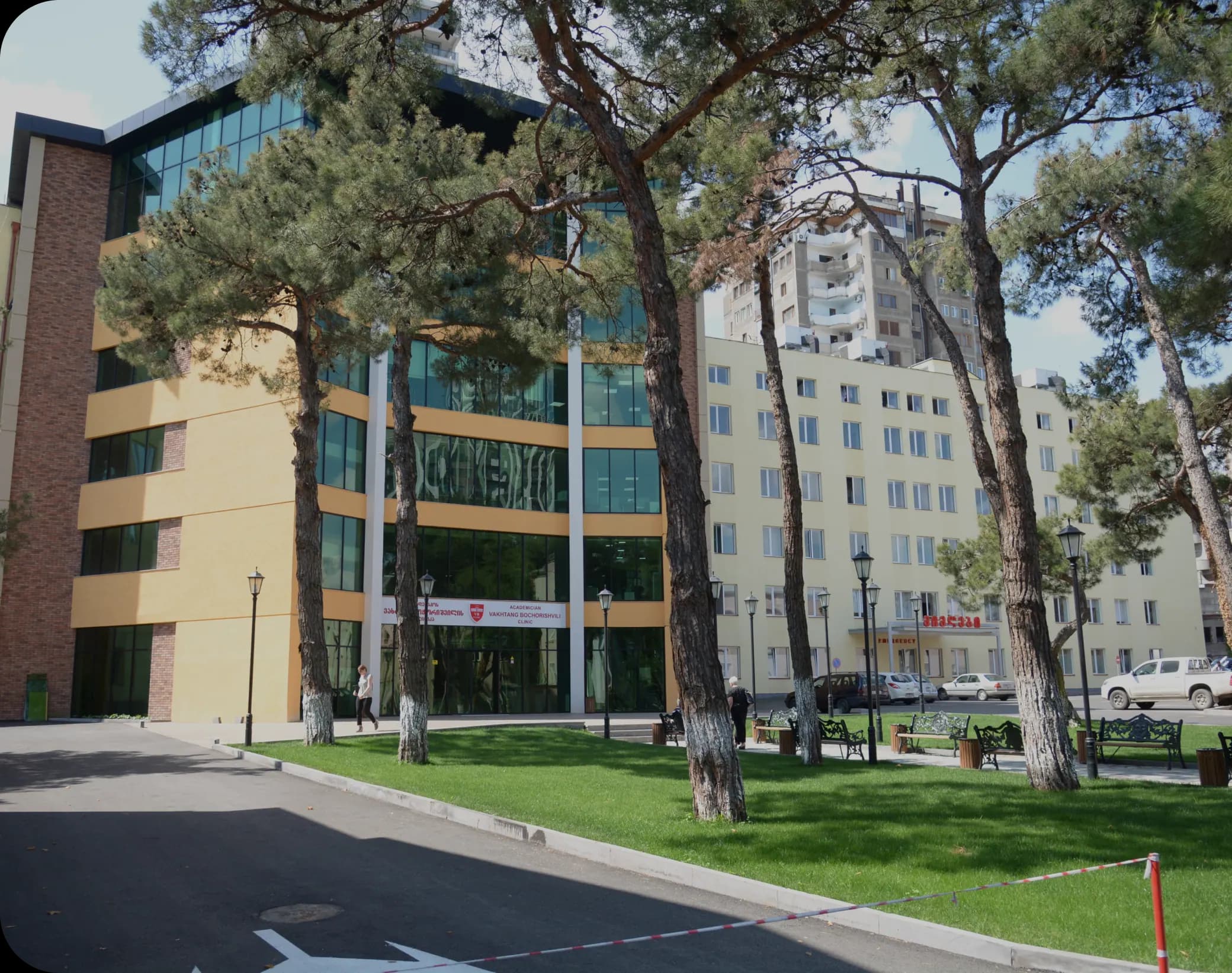
At Bochorishvili Clinic, you can undergo the necessary laboratory tests and receive a consultation with an endocrinologist. Do you have any questions? Write to us or call us.
More news
 September 21 - World Alzheimers Day
September 21 is World Alzheimer's Day. Bochorishvili Clinic focuses on the importance of awareness, timely assessment, and patient support.
 Mental health office
New service in our clinic – Mental Health Office.
 The latest generation magnetic resonance imaging scanner - Siemens MAGNETOM Vida 3T - at Bochorishvili Clinic
New at Bochorishvili Clinic - modern magnetic resonance imaging scanner Siemens MAGNETOM Vida 3T.
 How dangerous is a tick bite and what diseases can it cause?!
Learn everything about the dangers of a tick bite, the diseases caused by it, and proper prevention in Georgia. Receive advice from an infectious disease specia
 OLYMPUS EVIS X1 CV-1500 - Modern endoscopic diagnostics at Bochorishvili Clinic
Endoscopic system OLYMPUS EVIS X1 CV-1500 for high-precision diagnostics at Bochorishvili Clinic.
 ACUSON Sequoia - innovation at Bochorishvili Clinic and a new standard in ultrasound
In-depth, accurate diagnostics with AI support. The latest technology for safe and informative studies.
Frequently Asked Questions