March 21 - World Down Syndrome Day: Raising awareness, timely diagnosis and inclusive support
21 მარტი 2026
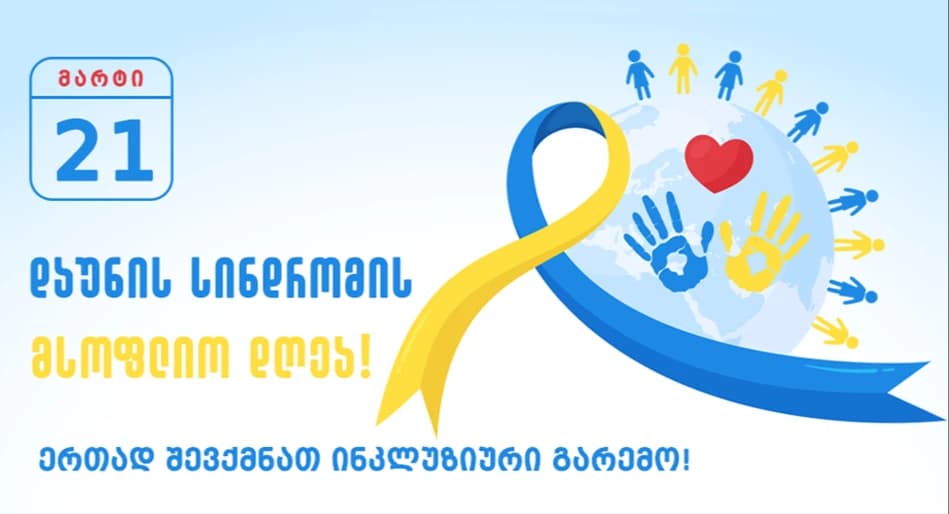
Every year, on March 21, the world celebrates World Down Syndrome Day. This date symbolizes the genetic basis of the condition - three copies of chromosome 21 (trisomy 21). This day is an important reminder that raising awareness, early diagnosis and qualified support give families a real opportunity to better cope with challenges and create an inclusive environment.
At Bochorishvili Clinic, we believe that all patients, including those with Down syndrome, deserve an accurate diagnosis, an individual approach, and comprehensive medical care.
Depending on the genetic mechanism, three main forms are distinguished:
From a medical perspective, March 21 highlights the crucial role of early diagnosis, a multidisciplinary medical approach, and family awareness in improving the quality of life of people with this syndrome.
Do you need a consultation or a routine checkup?
Contact us at Bochorishvili Clinic:
📍 Tbilisi, Saburtalo, Al. Kazbegi 16
☎ 032 2 312 112 | 📱 577 22 21 12
At Bochorishvili Clinic, we believe that all patients, including those with Down syndrome, deserve an accurate diagnosis, an individual approach, and comprehensive medical care.
What is Down Syndrome - Genetic Basis
Down syndrome, also known as trisomy 21, is the most common chromosomal condition, occurring in approximately one in every 700-1,000 live births worldwide. It is caused by the presence of an extra copy of chromosome 21 - instead of the normal two copies, people with Down syndrome have three copies of chromosome 21 in their cells.Depending on the genetic mechanism, three main forms are distinguished:
- Standard trisomy 21 - accounts for about 95% of cases, when an extra copy of chromosome 21 is present in all cells of the body.
- Mosaicism - in this form, only some of the cells carry the extra chromosome, while others retain the normal chromosome set.
- Translocation - Material from chromosome 21 joins (translocates) to another chromosome, most often chromosome 14.
Prenatal screening and early diagnosis
Modern medical advances make it possible to assess the risk of Down syndrome early in pregnancy. This information allows families to prepare appropriately, make informed decisions, and plan for the necessary medical support in a timely manner.Prenatal screening and diagnostics
Non-invasive screening (aimed at risk assessment and not a definitive diagnosis):- First trimester combined screening: includes ultrasound measurement of the nuchal translucency (NT) and assessment of blood biochemical markers (PAPP-A, free β-hCG). Performed at 11-13 weeks of pregnancy.
- Non-invasive prenatal testing (NIPT): Analysis of fetal cell-free extracellular DNA from maternal blood. Highly accurate in assessing chromosomal abnormalities, including Down syndrome.
- Second trimester sequential screening: Analysis of blood markers in the second trimester of pregnancy, often a continuation of first trimester screening.
- Chorionic villus sampling (CVS) : A procedure in which a sample of the chorion is taken and analyzed. It is performed between 10 and 13 weeks of pregnancy.
- Amniocentesis: The collection and analysis of a sample of amniotic fluid. It is performed between 15 and 20 weeks of pregnancy.
Medical supervision of patients with Down syndrome
Individuals with Down syndrome require regular and comprehensive medical evaluation, as this genetic condition carries an increased risk of certain medical complications. Priority areas include:- Cardiovascular system: Congenital heart defects occur in approximately 40-50% of cases, requiring constant cardiological monitoring.
- Thyroid: Due to the increased incidence of hypothyroidism, regular thyroid function testing is necessary.
- Hearing and vision: Timely screening and identification of problems in this area are critically important for full development.
- Esophagus and gastrointestinal tract: Regular examinations are required to detect and evaluate structural abnormalities.
- Musculoskeletal system: Monitoring of atlanto-axial (first two vertebrae of the neck) instability requires special attention to prevent neurological complications.
Bochorishvili Clinic - Comprehensive Medical Support
Bochorishvili Clinic offers comprehensive medical services, covering all stages of life from the prenatal period onwards, to ensure the health of people with Down syndrome:- Prenatal counseling and screening: timely assessment of genetic risk and informing parents for future decisions.
- Cardiological evaluation: Diagnosis and management of congenital heart defects through echocardiography and consultation with a highly qualified specialist.
- Endocrinological surveillance: regular monitoring of thyroid function and timely correction of hormonal disorders.
- Neurological and cognitive assessment: Monitoring neurodevelopment and planning appropriate rehabilitation or support programs.
- Development of an Individualized Medical Plan: Creating a multidisciplinary medical strategy tailored to each patient's needs to achieve optimal outcomes.
March 21 - Why awareness raising is important
Officially recognized by the United Nations in 2011, this day is celebrated in more than 150 countries around the world. Its main goal is to raise public awareness, overcome stigma, and, consequently, promote the creation of an inclusive and dignified environment for people with Down syndrome.From a medical perspective, March 21 highlights the crucial role of early diagnosis, a multidisciplinary medical approach, and family awareness in improving the quality of life of people with this syndrome.
Do you need a consultation or a routine checkup?
Contact us at Bochorishvili Clinic:
📍 Tbilisi, Saburtalo, Al. Kazbegi 16
☎ 032 2 312 112 | 📱 577 22 21 12
Frequently Asked Questions