7 main causes of infertility
Learn about the 7 main causes of infertility in women and men. How it is diagnosed and what modern treatment methods Bochorishvili Clinic offers.
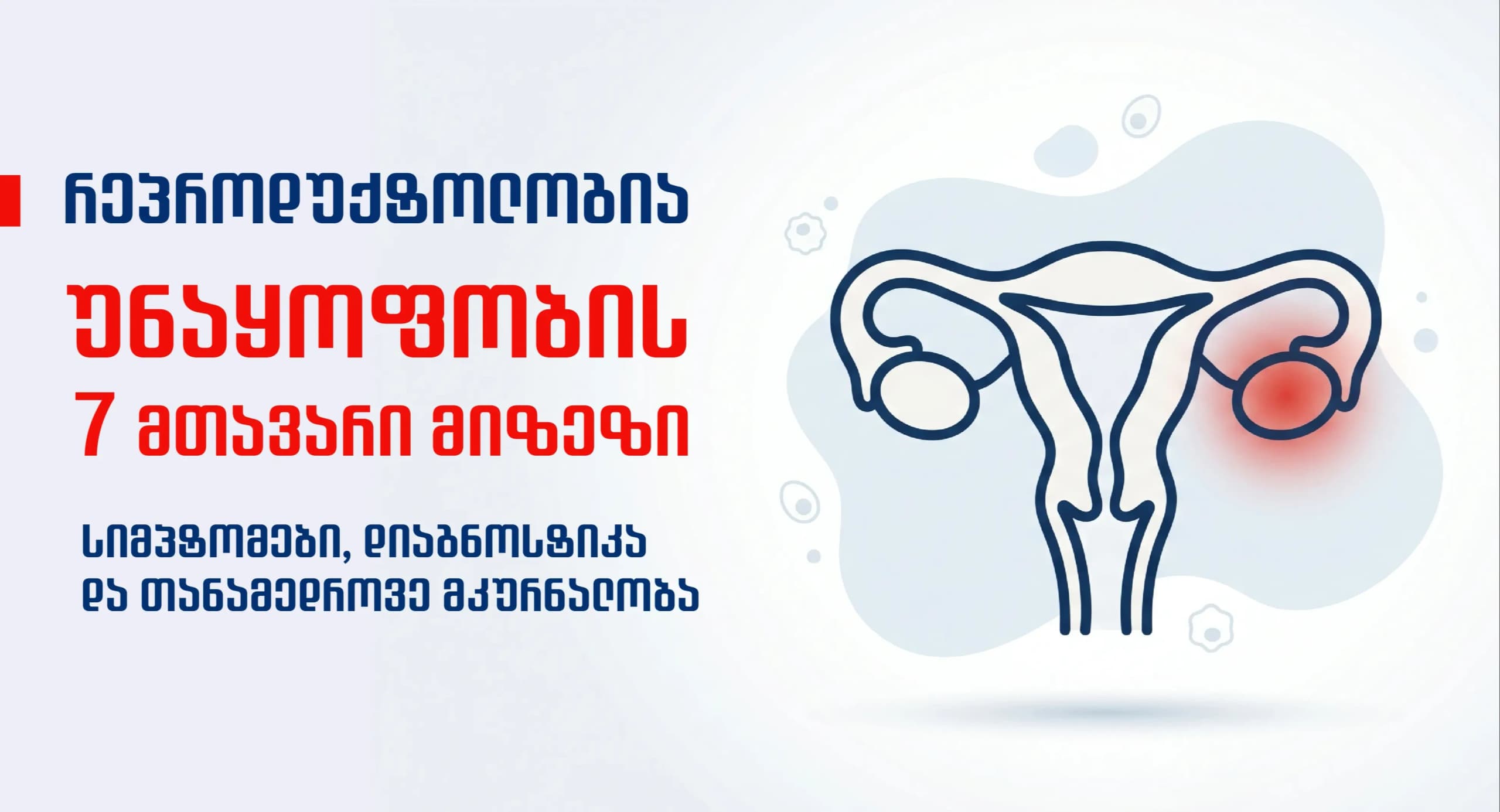
Infertility is a condition in which, despite regular, unprotected sexual intercourse, pregnancy does not occur within 12 months. After the age of 35, this period decreases to 6 months, which is due to age-related reproductive changes.
Reproductive dysfunction can be related to both the female and male reproductive systems, and in some cases the problem is caused by a combination of factors from both partners. That is why its diagnosis requires a complex approach and an assessment of the health status of both partners.
Modern diagnostic and treatment methods allow for the identification and effective management of the underlying cause of infertility in most cases, helping many couples achieve their desired pregnancy.
What causes infertility?
1. Hormonal disorders
Hormones play an important role in the normal functioning of the reproductive system. Their imbalance can lead to ovulation disorders, changes in the menstrual cycle, and difficulties with conception.
One of the most common hormonal disorders is polycystic ovary syndrome (PCOS) , which is often associated with irregular ovulation and reproductive problems.
The following may also play an important role in the development of infertility:
- Thyroid dysfunction;
- Hyperprolactinemia;
- Other endocrine disorders.
Blood tests and ultrasound are used to diagnose hormonal disorders. Timely diagnosis and appropriate treatment are one of the important prerequisites for restoring reproductive health and planning pregnancy.
2. Pathologies of the fallopian tubes
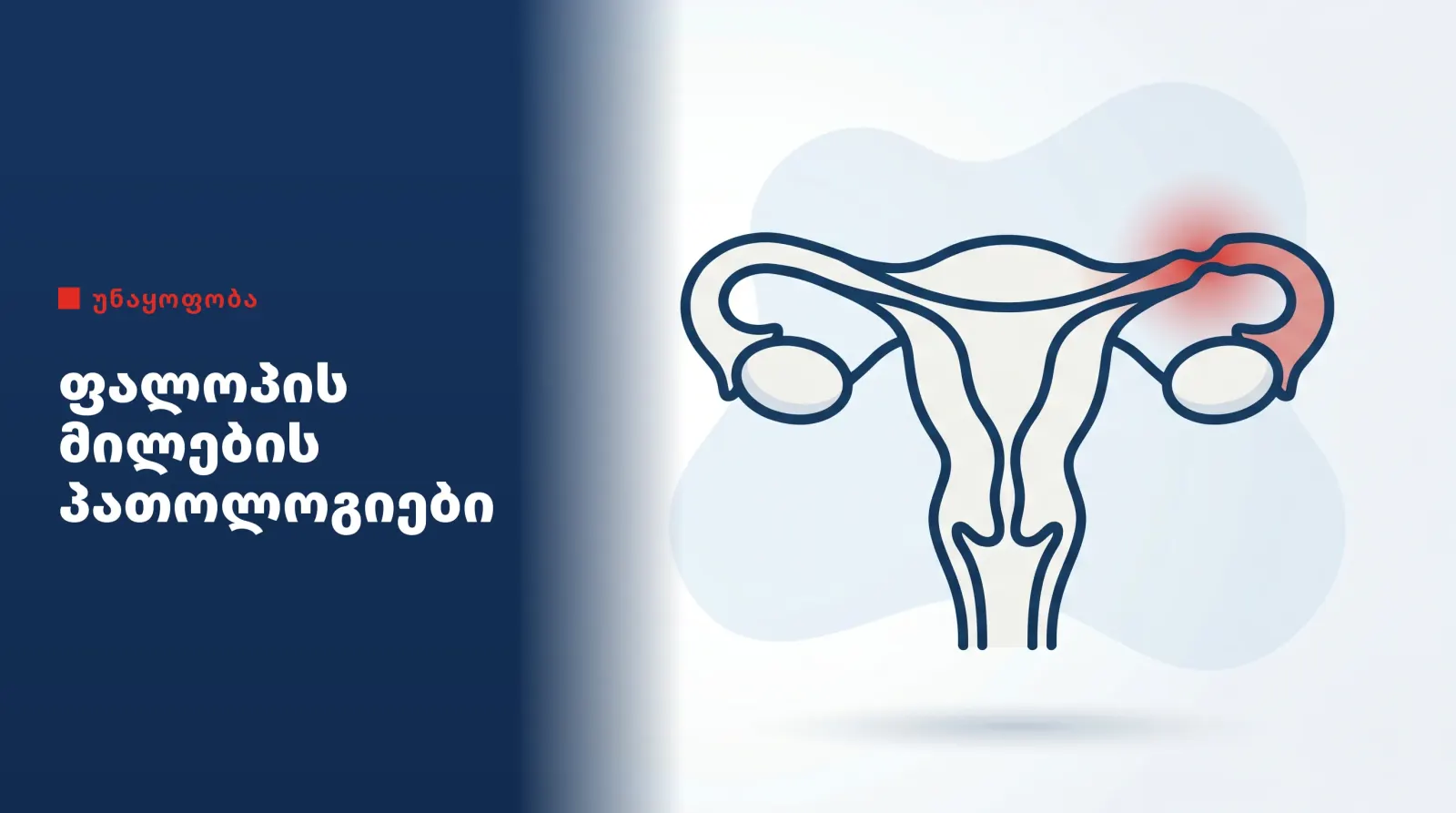
The fallopian tubes play an important role in the process of fertilization and ensure the movement of the egg from the ovary to the uterine cavity. If their patency is impaired or damaged, fertilization may be delayed or not occur at all.
The causes of fallopian tube pathologies can be:
- Pelvic infections;
- Scars developed after surgical interventions;
- Endometriosis;
- Inflammatory processes.
Special diagnostic tests, including hysterosalpingography and laparoscopy, are used to assess the patency of the fallopian tubes. Once an accurate diagnosis is made, a treatment plan is selected individually for each patient.
3. Endometriosis
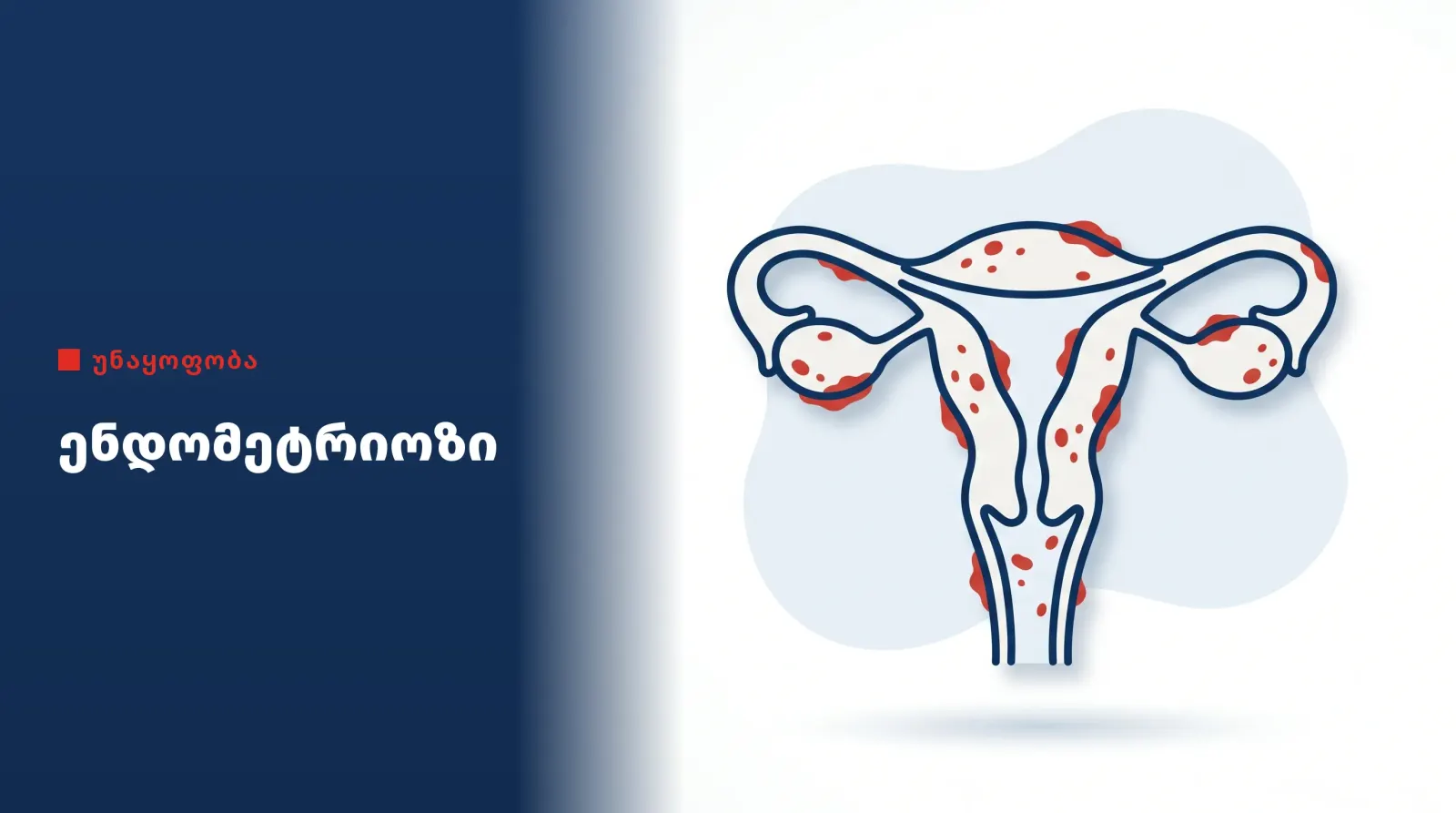
Endometriosis is a condition in which tissue similar to the lining of the uterus (endometrium) grows outside the uterus. The disease is often associated with chronic pain, menstrual irregularities, and impaired reproductive function.
Endometriosis may affect:
- On egg quality;
- The ovulation process;
- On the function of the fallopian tubes;
- On embryo implantation.
The severity of the disease does not always correspond to the severity of symptoms. Some women may not have any obvious complaints, but still have difficulty conceiving.
That is why timely diagnosis and management of endometriosis is an important part of identifying and treating the causes of infertility.
4. Uterine factors
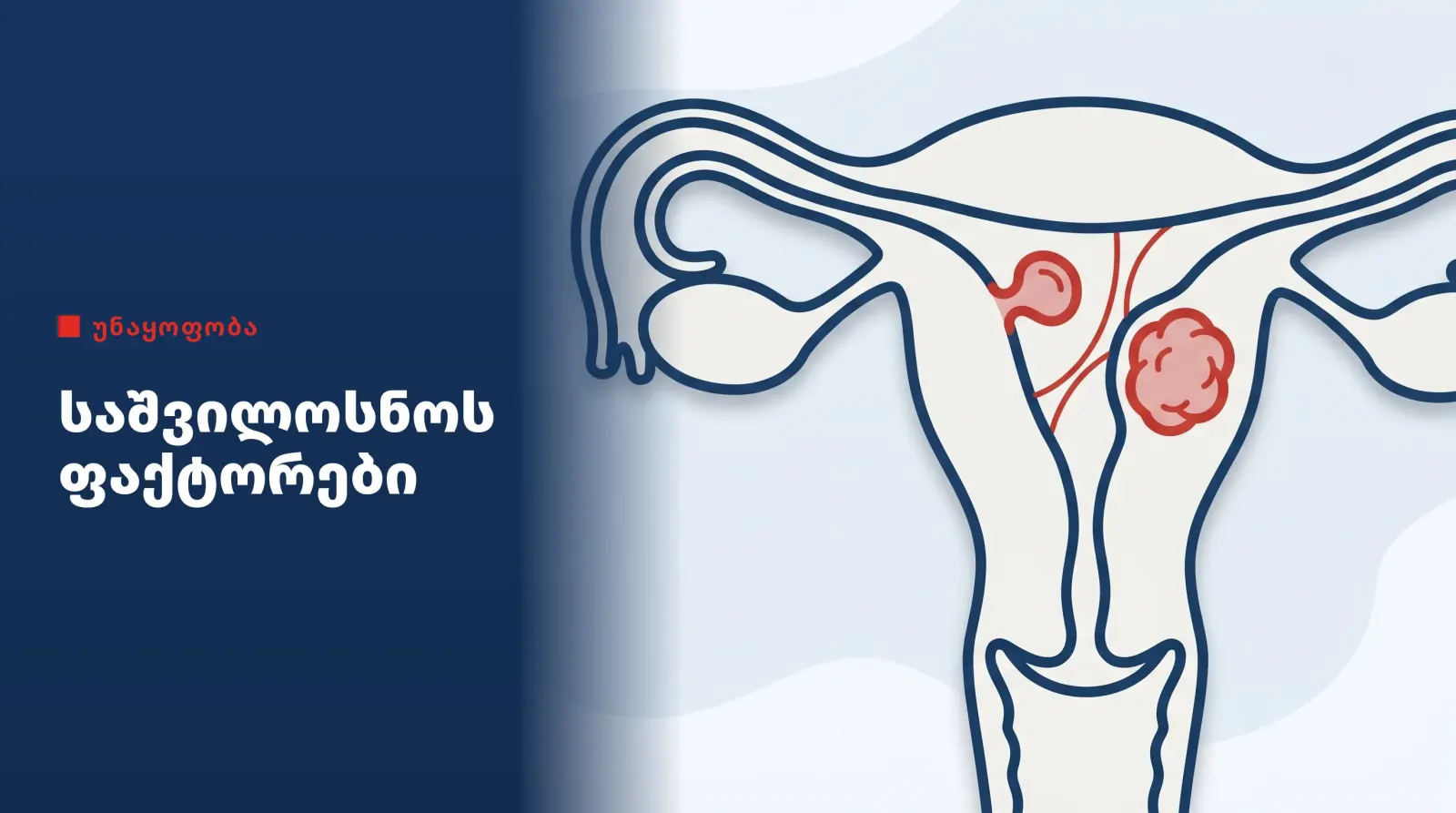
For pregnancy to occur and for the fetus to develop normally, appropriate conditions must exist in the uterus. Structural changes in the uterus may interfere with the process of conception, embryo implantation, or the successful course of pregnancy.
The most common uterine pathologies include:
- Polyps;
- Myomatous nodes;
- Congenital anomalies;
- Intrauterine adhesions; various endometrial pathologies.
Ultrasound, hysteroscopy, and other modern imaging techniques are used to detect and assess these changes. Based on accurate diagnosis, optimal treatment tactics and an individual management plan are determined.
5. Male infertility
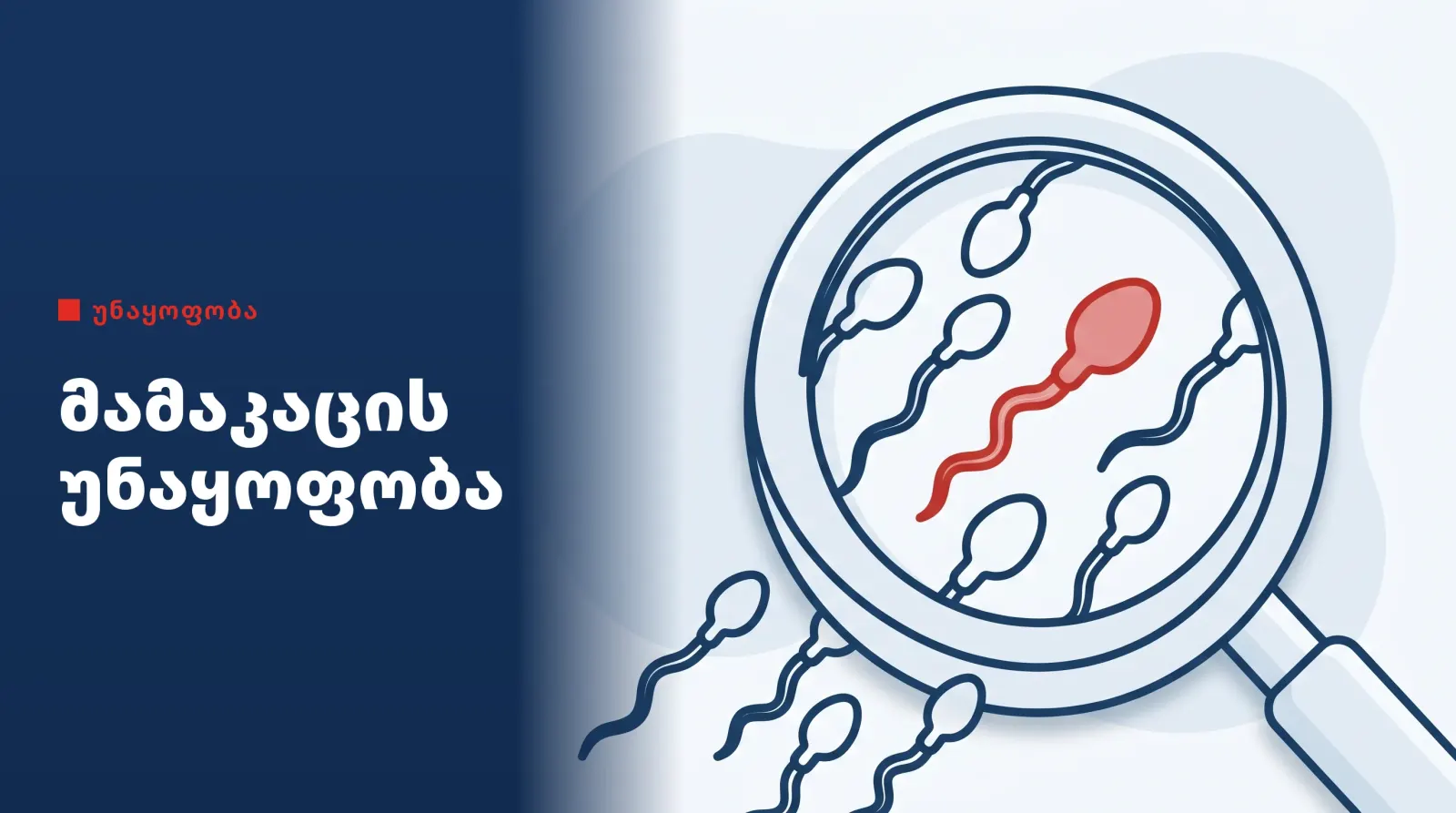
Assessing a man's reproductive health is an essential step in the infertility diagnosis process. Male fertility is significantly influenced by sperm count, motility, and morphology.
Causes of male infertility can be:
- Hormonal disorders;
- Varicocele (varicose dilation of the veins of the testicles and scrotum);
- Genetic factors;
- Infections;
- Unhealthy lifestyle;
- Smoking;
- Excessive alcohol consumption;
- Other environmental and occupational factors.
One of the main methods for assessing male reproductive function is a spermogram, which allows for the assessment of the main parameters of sperm. If necessary, diagnostics are continued with additional laboratory, hormonal and instrumental studies.
6. Infectious factors

Reproductive system infections can have a significant impact on both female and male fertility. In some cases, the infection is asymptomatic and is only detected during pregnancy planning or when diagnosing infertility.
Infectious processes can cause:
- Inflammatory changes in the reproductive organs;
- Damage to the fallopian tubes;
- Formation of healings;
- Deterioration of sperm quality and functional parameters.
Regular preventive examinations, timely detection of infections, and appropriate treatment are of particular importance for maintaining reproductive health.
7. Vitamin and micronutrient deficiencies

A balance of vitamins and microelements is essential for the body to function properly. Their deficiency can affect hormonal regulation, egg and sperm quality, and the normal functioning of the reproductive system.
Reproductive health is of particular importance:
- Vitamin D;
- folic acid;
- Iron; zinc;
- Selenium;
- Omega-3 fatty acids.
It is important to take vitamins and nutritional supplements only as recommended by a doctor, as both their deficiency and excess intake may be associated with adverse health consequences.
How is infertility diagnosed?
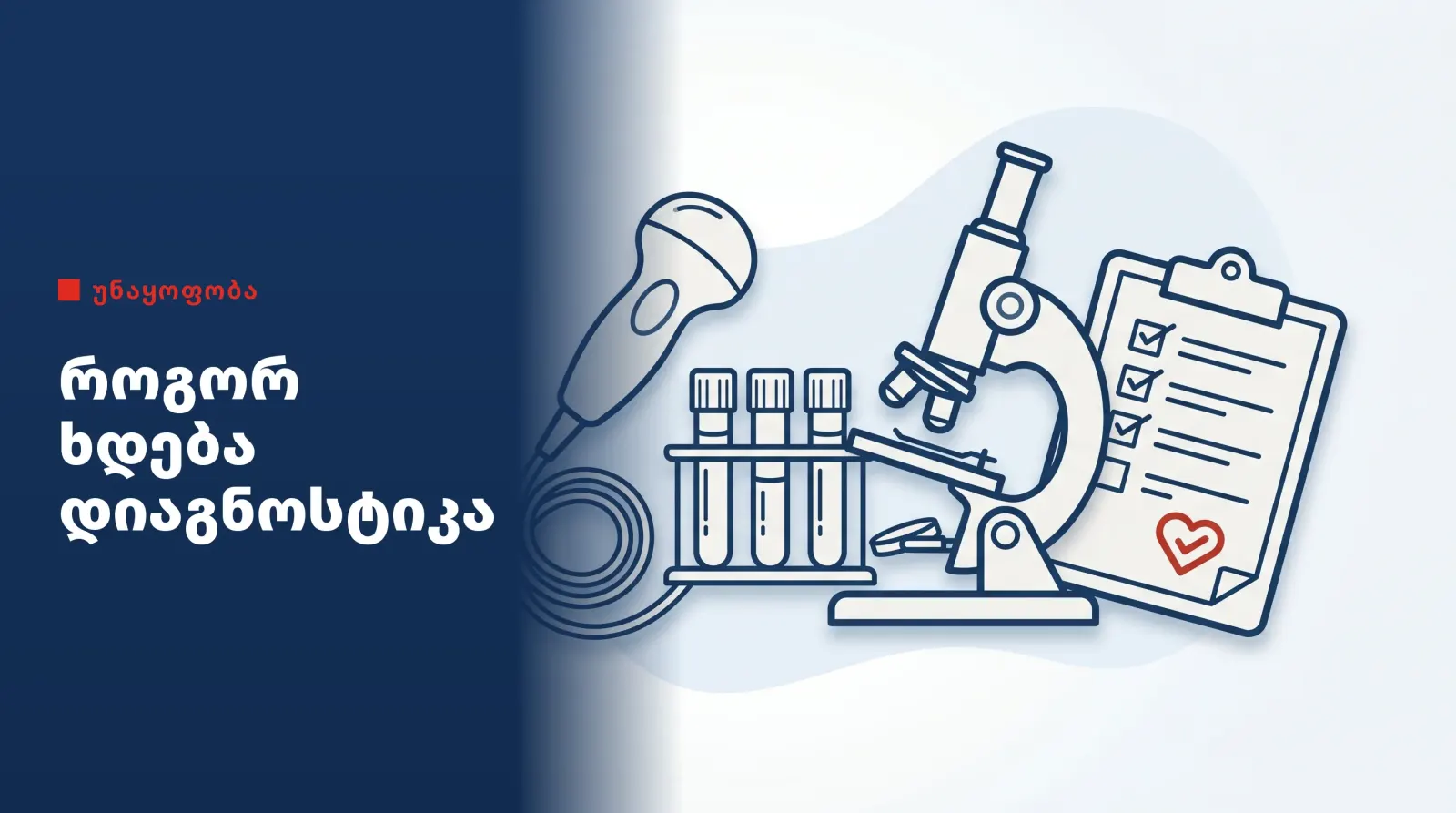
Diagnosing infertility is a complex process and requires an individual approach. At the first stage, the doctor collects a detailed medical history, which includes information about the patient's health, menstrual cycle, past illnesses, reproductive history, and lifestyle.
As part of the further assessment, the following may be conducted:
- Hormonal studies;
- Ultrasound examination;
- Evaluation of the uterus and fallopian tubes;
- Genetic studies;
- Diagnosis of infections;
- Spermogram and other additional studies of male reproductive function.
Accurately determining the cause of infertility is one of the main prerequisites for successful treatment and achieving a positive outcome.
Modern treatment options

Infertility treatment in modern medicine includes a variety of methods. The treatment tactics are selected taking into account the cause of infertility, the patient's age, and the general state of health.
The treatment plan may include:
- Lifestyle correction;
- Hormone therapy;
- Treatment of infections;
- Surgical intervention;
- Assisted reproductive technologies.
Advances in modern reproductive medicine significantly increase the chances of successful treatment and help many couples achieve their desired pregnancy.
Why is timely consultation with a doctor important?
Delaying a visit to a specialist for a long time can, in some cases, complicate the diagnosis and treatment process. Timely assessment contributes to early detection of the problem, accurate diagnosis, and effective treatment planning.
Infertility treatment at the Academician Vakhtang Bochorishvili Clinic
The Academician Vakhtang Bochorishvili Clinic has a Department of Reproductive Medicine, where detailed diagnostics of the causes of infertility are performed, as well as modern and individually selected treatment. The clinic's specialists assess each case individually and determine the treatment method taking into account the patient's needs and health condition.
The clinic conducts a comprehensive assessment of both female and male reproductive health, including:
- Hormonal studies;
- Ultrasound diagnostics;
- Screening for infections;
- Spermogram;
- Other necessary examinations.
Based on the diagnostic results, doctors develop an individual treatment plan that is tailored to the needs of each patient.
Based on modern technologies and the experience of specialists, the clinic offers patients safe and effective reproductive services.
Conclusion
Infertility is a multifactorial condition, the causes of which can be related to both female and male reproductive health. Hormonal disorders, fallopian tube pathologies, endometriosis, uterine factors, male infertility, infections, and vitamin and micronutrient deficiencies are among the most common causes.
Fortunately, modern medicine offers a wide range of options for diagnosing and treating infertility. A correct diagnosis, timely referral to a specialist, and individually selected treatment allow many couples to make their dream of parenthood a reality.
Academician Vakhtang Bochorishvili Clinic combines experienced specialists, modern technologies, and an individual approach to each patient, which helps improve reproductive health and achieve the desired results. 
To book a consultation: ☎ 0322 312 112
Scientific sources:
- World Health Organization (WHO). Infertility. Geneva: WHO.
- American Society for Reproductive Medicine (ASRM). Patient Education Fact Sheets.
- European Society of Human Reproduction and Embryology (ESHRE). Clinical Practice Guidelines.
- American College of Obstetricians and Gynecologists (ACOG). Evaluating Infertility.
- National Institute for Health and Care Excellence (NICE). Fertility Problems: Assessment and Treatment (CG156).
- World Health Organization. WHO Laboratory Manual for the Examination and Processing of Human Semen, 6th Edition. Geneva: WHO; 2021.
Frequently Asked Questions