 ქართული
 English
 Русский
Blog
Ulcerative colitis - symptoms, diagnosis and modern treatment
Ulcerative colitis - symptoms, diagnosis and modern treatment

What is ulcerative colitis?
Ulcerative colitis is a chronic inflammatory bowel disease that belongs to the group of inflammatory bowel diseases (IBD). The disease is characterized by persistent or recurrent inflammatory changes in the mucosa of the colon and rectum.
Forms of ulcerative colitis according to prevalence
Ulcerative colitis affects only the large intestine and rectum. 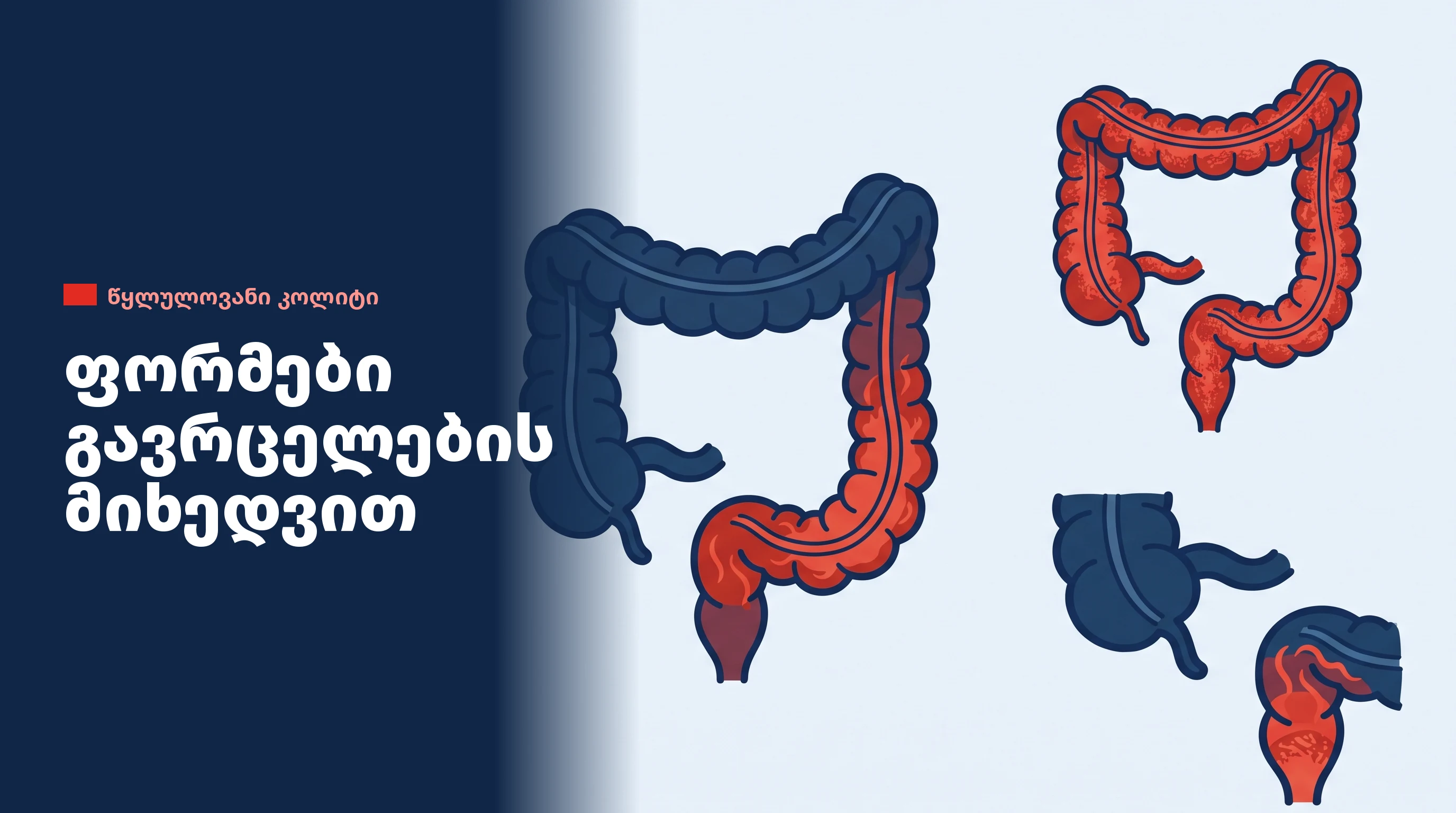
The damage may be:
- Only the rectum (proctitis);
- Left half of the large intestine;
- The entire colon (pancolitis).
What causes the disease?
The exact cause of the disease is unknown today. However, based on modern guidelines and recent research, several factors are involved in this process:
- Genetic factors - if someone in your family has inflammatory bowel disease - the risk increases. However, despite the genetic influence, ulcerative colitis is not a directly hereditary disease . The presence of the disease in family members only increases the risk and does not mean that the disease will necessarily develop.
- Immune system disorder - The immune system becomes overactive towards the gut.
- Changes in the gut microbiome - Imbalance in the gut microbiota plays an important role in the development of inflammatory processes .
- Environmental factors - some medications, infections, lifestyle.

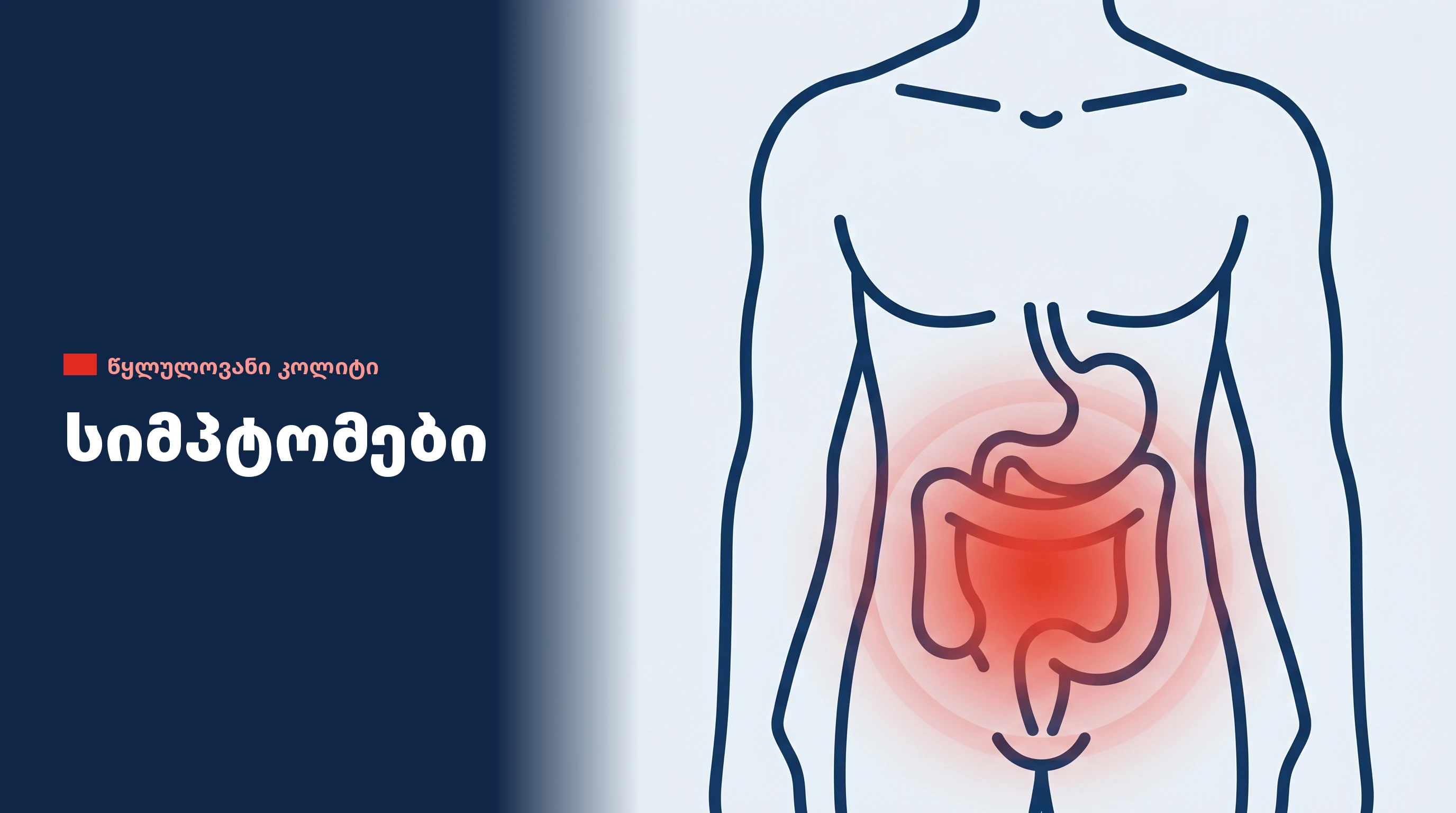
Symptoms of ulcerative colitis
The clinical manifestations of ulcerative colitis depend on the extent of the disease and the activity of inflammation.
The characteristic symptoms of the disease are:
- Bloody diarrhea - the frequency of which, depending on the activity of the disease, can range from several episodes per day to more than 10 defecations;
- Mucus secretion;
- Urgent need to defecate;
- Tenesmus (false urge to defecate);
- Spasmodic abdominal pain .
During the active phase of the disease, the following may occur:
- Nocturnal diarrhea, fatigue;
- Weakness;
- Loss of appetite;
- Weight loss;
- Iron deficiency anemia .
Ulcerative colitis is not limited to the intestine. A certain proportion of patients develop extraintestinal manifestations , which may occur in conjunction with disease activity or independently.
The most common extraintestinal manifestations are:
- Joint damage - arthralgia, peripheral arthritis, sacroiliitis and spondyloarthropathy;
- Skin lesions - erythema nodosum and pyoderma gangrenosum;
- Eye damage - episcleritis and uveitis;
- Damage to the hepatobiliary system - primary sclerosing cholangitis.
Early recognition of extraintestinal manifestations is important, as they often require a multidisciplinary approach involving a gastroenterologist, rheumatologist, ophthalmologist, and dermatologist.
How is ulcerative colitis diagnosed?
The diagnosis of ulcerative colitis is based on the following data:
- Clinical symptoms;
- Laboratory studies;
- Endoscopic studies ;
- Histological studies.

Imaging studies (computed tomography, magnetic resonance imaging, or enterography) are used to evaluate complications and in the differential diagnosis process.
There is no single test that independently confirms or excludes the disease. The gold standard for diagnosing ulcerative colitis is colonoscopy with multi-point biopsies, which allows for assessment of the extent of inflammation, activity, and characteristic morphological changes.
In parallel, to assess intestinal inflammation, it is necessary to exclude infectious etiology and determine fecal calprotectin.
Ulcerative colitis treatment
Treatment of ulcerative colitis is based on an individualized and goal-oriented approach . This means that the treatment plan is determined individually for each patient. There is no universal scheme that will be equally effective for all patients.
When selecting treatment, the following are taken into account:
- Spread of disease;
- Inflammation activity;
- Severity of symptoms;
- Endoscopic image;
- Presence of extraintestinal manifestations;
- Patient's age;
- Concomitant diseases;
- Response to previous treatment.
That is why two patients with the same diagnosis may require completely different treatment tactics.
The modern approach is not limited to reducing symptoms.
Treatment is aimed at:
- Maximum control of intestinal inflammation;
- Healing of inflammatory changes, erosions and ulcers on the mucous membrane;
- Prevention of disease exacerbations;
- Reducing the risk of hospitalization and surgical intervention;
- Also improving the patient's quality of life.

The effectiveness of treatment is regularly assessed based on clinical status, laboratory parameters, fecal calprotectin, and, if necessary, endoscopic examination. If the results are insufficient, the treatment regimen is reviewed and adjusted individually.
Nutrition during ulcerative colitis
Nutrition is an important part of managing ulcerative colitis. However, it is important to note that no diet is a stand-alone treatment for the disease and cannot replace medical therapy .
Nutritional recommendations should be individualized based on the patient's nutritional status, symptoms, and disease activity.
During the remission period, a varied and balanced diet is recommended, ensuring that the body receives the necessary proteins, vitamins, minerals, and energy.

Special attention is paid to preventing nutritional deficiencies, as prolonged inflammation, diarrhea, and loss of appetite may be associated with the development of anemia and vitamin deficiencies in some patients.
During an exacerbation of the disease, certain products may aggravate symptoms, such as:
- Diarrhea;
- Bloating;
- Abdominal pain.
In such cases, dietary recommendations are determined individually and may require temporary restriction of foods that are difficult to digest or contain coarse fiber. However, modern approaches do not advocate extensive and prolonged exclusion of foods without a clear medical reason.
It is recommended that patients monitor which foods exacerbate or reduce their symptoms, as food tolerance is individual.
Drinking enough fluids is especially important during diarrhea - to prevent dehydration and electrolyte imbalances.
Frequently Asked Questions (FAQ) 
Is ulcerative colitis contagious?
No, ulcerative colitis is not contagious. It is not an infectious disease and is not transmitted from one person to another - not through contact, not sexually, not even through food.
Is it possible to completely cure ulcerative colitis?
In modern medicine, it is still impossible to completely cure ulcerative colitis with medication, although long-term and effective control of the disease is possible in most patients.
With proper treatment and regular monitoring, many patients achieve deep remission and maintain a high quality of life for many years.
Is pregnancy possible with ulcerative colitis?
Pregnancy in women with ulcerative colitis is usually safe and successful, especially during remission. Planning for pregnancy, regular monitoring, and proper treatment management are important foundations for a healthy pregnancy and birth.
It is especially important that the patient does not stop the prescribed treatment arbitrarily . Because in many cases, exacerbation of the disease poses a much greater threat to both the mother and the fetus than continuation of appropriate therapy. Planning and management of pregnancy should be carried out in close cooperation with a gastroenterologist and an obstetrician-gynecologist.
Does ulcerative colitis cause cancer?
Most people with ulcerative colitis do not develop cancer. However, the risk of developing colorectal cancer is particularly high in people with long-term disease, widespread colitis, and persistent inflammation.
However, with regular colonoscopy surveillance and modern treatment, the risk of developing cancer is significantly reduced in the majority of patients.
Conclusion
Ulcerative colitis is a chronic immune-mediated disease that requires long-term monitoring and individually tailored treatment. With modern diagnostics and therapy, the majority of patients can effectively control the disease, achieve long-term remission, and maintain a high quality of life.
If you or a loved one is experiencing symptoms typical of ulcerative colitis, especially bloody diarrhea , it is important to see a gastroenterologist promptly.
Academician Vakhtang Bochorishvili Clinic offers modern diagnostics of ulcerative colitis, endoscopic studies, histological evaluation of biopsy material, and individual treatment planning based on international guidelines. 
To book a consultation: ☎ 032 2 312 112
Author:
Gastroenterologist - Natia Razmadze