Tick bite - symptoms, treatment and prevention
Tick bite: symptoms, proper removal, signs of borreliosis and Crimean-Congo fever, treatment and prevention. Consultation at Bochorishvili Clinic.

In Georgia, tick bites increase significantly during the summer season. The active tick season lasts from April to September. During this period, their spread is especially common in forests, fields, and grassy, humid environments.
Most ticks found in Georgia do not carry disease. However, some species can cause serious, and in some cases life-threatening, diseases, such as:
- Borreliosis (Lyme disease);
- Crimean-Congo hemorrhagic fever.
Symptoms of a tick bite
Often, the bite is initially asymptomatic, which is why it can go unnoticed. 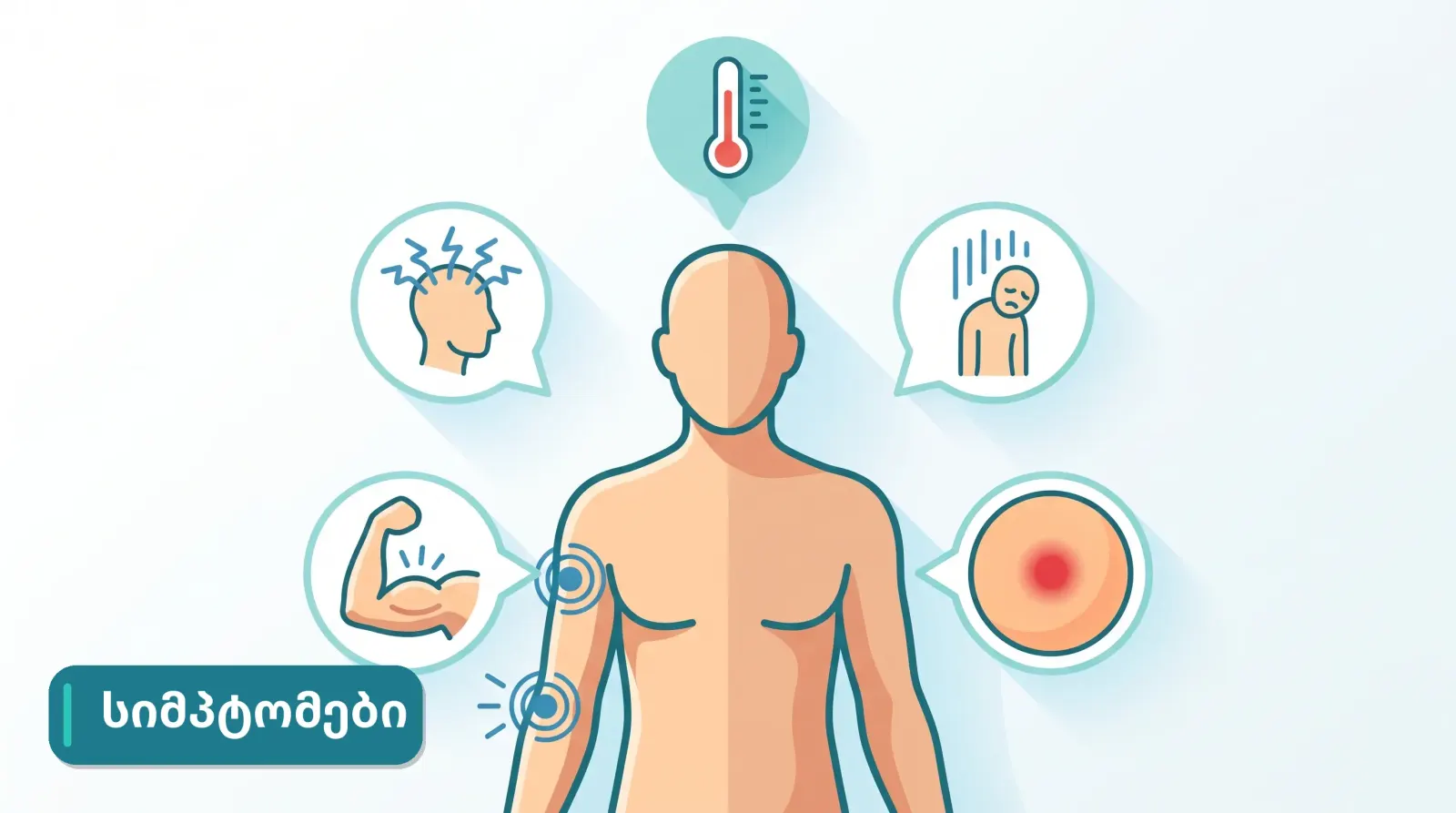
The most common signs:
- Local redness, itching, or swelling at the bite site
- Fever and chills;
- Muscle and joint pain;
- Headache and severe weakness;
- Neck stiffness;
- Cardiological changes (in case of complications of borreliosis).
- Ring-shaped rash - "bull's eye" (the earliest sign of borreliosis);
Particular attention should be paid to the so-called "bull's eye" ring-shaped rash, which develops in approximately 80% of infected patients 1-4 weeks after the bite. This is one of the most characteristic signs of borreliosis (Lyme disease).
How to remove a tick correctly?
Prompt removal of the tick from the skin is important, as the risk of transmitting infection increases significantly when it remains on the skin for more than 36 hours. 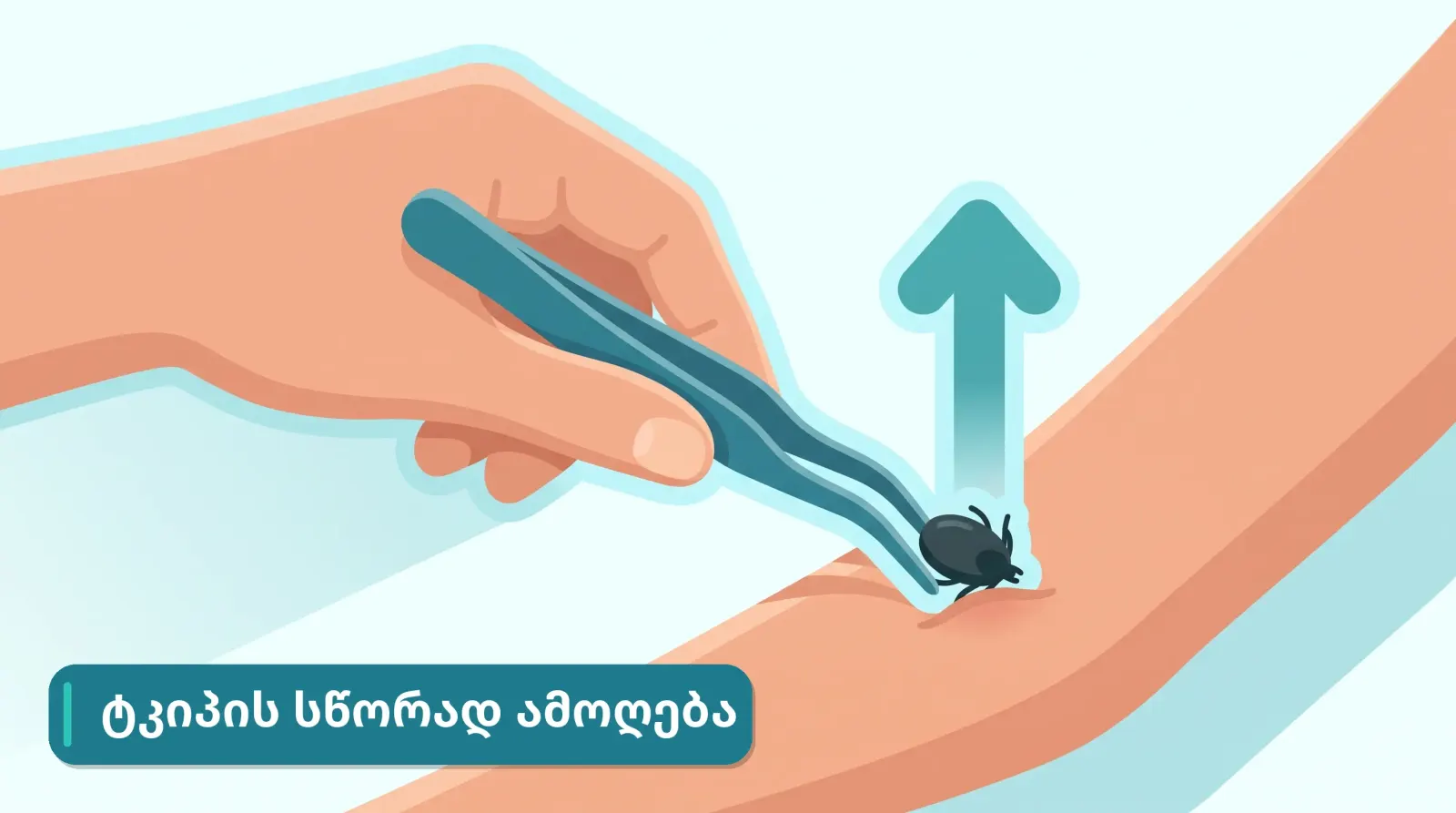
Safe removal rules:
- Use curved tweezers;
- Bring it as close to the skin as possible and carefully grasp the tick;
- Pull it out carefully, without twisting;
- Clean the bite area with alcohol or soap and water.
Check to see if the tick is completely removed, including its head. If the tick's head remains in the skin, local inflammation, redness, swelling, and pain may develop. In this case, the risk of further complications of infection also increases.
Do not use folk methods to remove a tick: oil, Vaseline, fire - these methods force the tick to secrete infected saliva into the bite site.
Diseases caused by tick bites
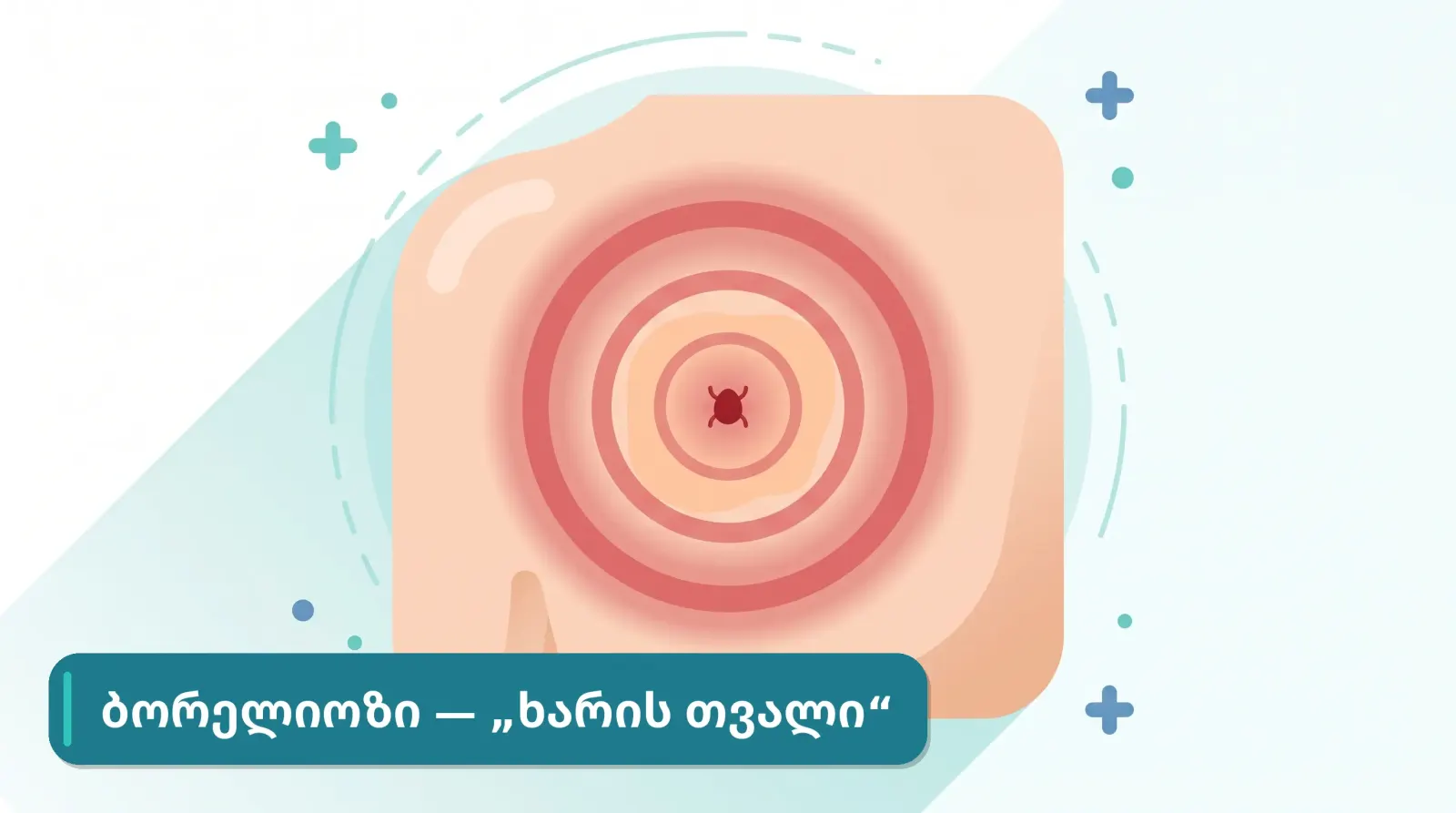
Borreliosis (Lyme disease)
Lyme disease is the most common infectious disease caused by tick bites. In its early stages, it is characterized by:
- Ring-shaped migratory rash ( "bull's eye" ) with burning and itching;
- Headache and neck stiffness;
- Migratory musculoskeletal pain;
- Severe weakness.
Without treatment, borreliosis can develop later, months or years later, and cause serious damage to the nervous system, heart, or joints.
Crimean-Congo hemorrhagic fever
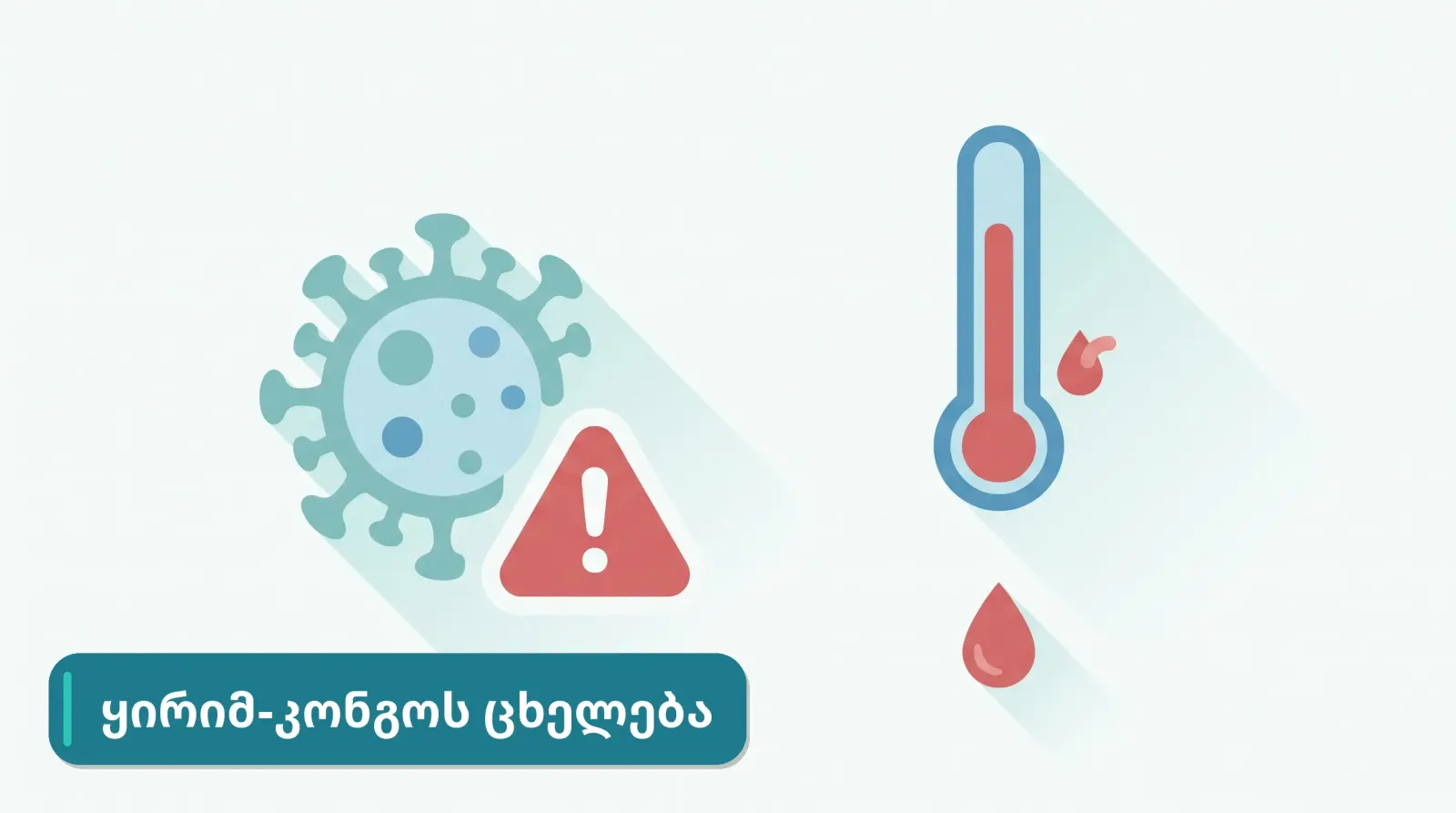
Crimean-Congo hemorrhagic fever is a particularly dangerous viral disease that appears 1–9 days after a tick bite. The symptoms characteristic of this disease are:
- Severe fever, chills, headache, weakness;
- Joint and muscle pain, conjunctivitis;
- Nausea, vomiting, diarrhea;
- Petechial (spot-like) rash,
- Bleeding from the gums or nose;
- Bloody sputum, urine, or stool.
Crimean-Congo hemorrhagic fever can be fatal if not diagnosed and treated late. Therefore, it is important to seek medical attention as soon as any of the above symptoms appear.
Treatment - When to see a doctor?
A visit to an infectious disease specialist after a tick bite is mandatory in the following cases:
- The tick had been attached to the skin for more than 36 hours;
- A ring-shaped rash appeared at the site of the bite;
- Fever, severe weakness, or other symptoms within 1–3 weeks of the bite;
- Swelling, pain, or purulent discharge has developed at the bite site;
- The tick's head remained in the skin when removed.
Prophylactic antibiotic therapy is administered if necessary, consultation with an infectious disease specialist is recommended in the presence of any suspicious symptoms within 1–30 days after the bite, and emergency medical care is necessary in the event of hemorrhagic signs, high fever, or deterioration of general condition.
How to avoid tick bites?
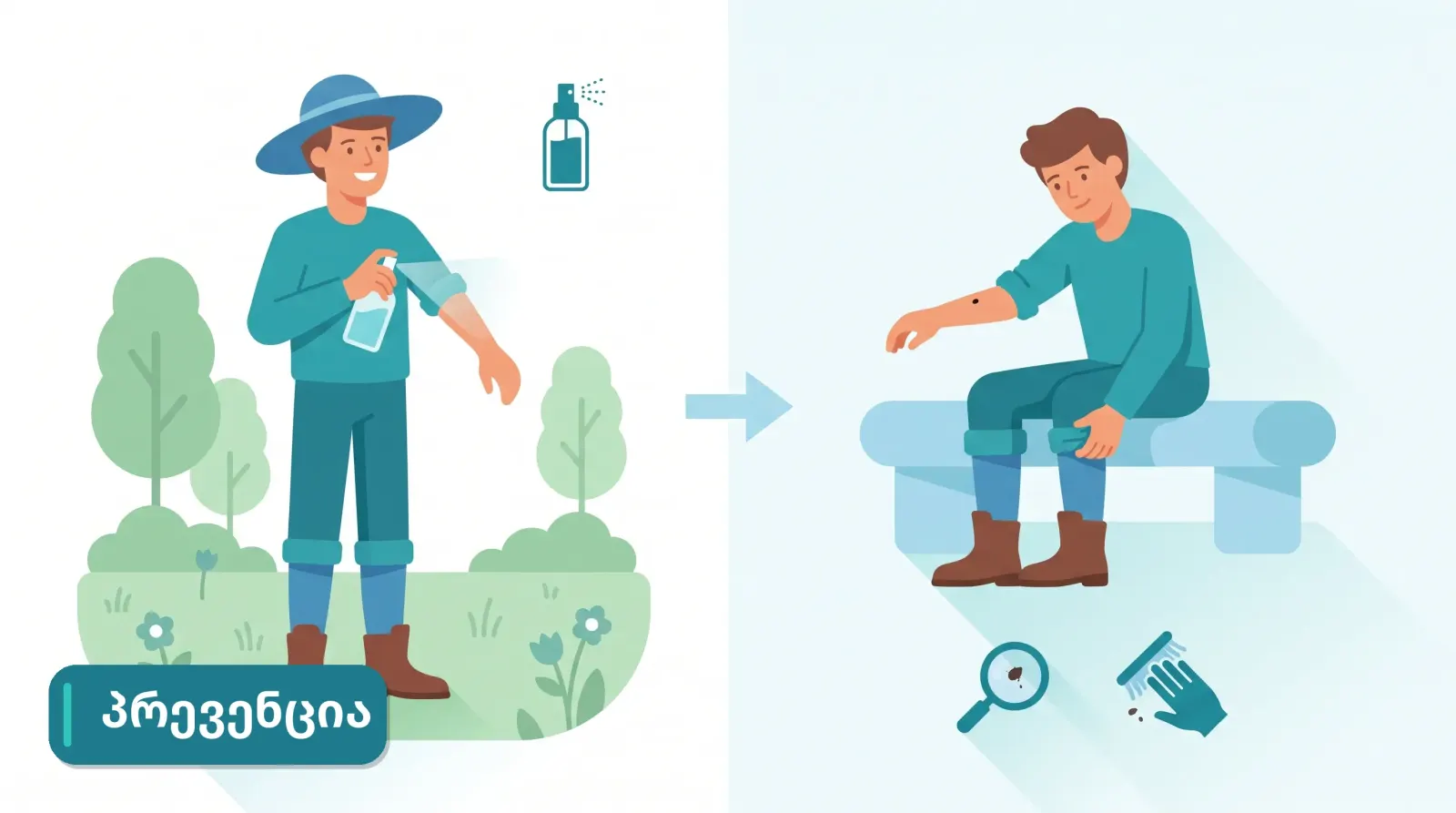
Tick bites can be avoided by following simple preventive measures. It is especially important to consider them when walking in nature and during the active season.
- Wear long-sleeved clothing when walking in nature;
- Use insect repellent spray/cream;
- After a walk, carefully examine your skin;
- Check your clothes carefully before entering the house.
Frequently Asked Questions (FAQ)
Are tick bites always dangerous?
No. Most ticks found in Georgia do not transmit disease. However, a bite from an infected tick can cause serious illness, so caution and attention are mandatory.
Can borreliosis be cured?
Yes, Lyme disease can be treated with antibiotics in its early stages. Treatment becomes more difficult in its later stages, so early diagnosis is crucial.
A tick has bitten my child. What should I do?
Special care is needed with children. Remove the tick immediately with tweezers and consult an infectious disease specialist as soon as possible.
Tick bites are often harmless, but in some cases they can cause serious infectious diseases. That is why timely prevention and early consultation with a doctor are important to avoid possible complications.
Frequently Asked Questions