 ქართული
 English
 Русский
Blog
Dopplerography of blood vessels - everything you need to know
Dopplerography of blood vessels - everything you need to know
What is venous Dopplerography?
Doppler ultrasound of blood vessels is a modern, painless, and safe exam. During the test, an angiologist checks vessel structure and blood flow in real time. The doctor also measures blood flow speed and direction. This examination is considered the gold standard in the diagnosis of venous diseases, thrombosis and varicose veins.
Doppler ultrasound is based on a fundamental principle of physics - the Doppler effect. Typically, ultrasound waves hit red blood cells moving through blood vessels and bounce back with a changed frequency. By analyzing this frequency difference, the doctor can accurately determine the state of the blood flow volume and dynamics. Although the study requires high-tech equipment, it is simple and comfortable for the patient.
At Bochorishvili Clinic, examinations are performed using the latest generation ultrasound equipment ( Biolitec LEONARDO ), which ensures maximum accuracy and patient comfort. 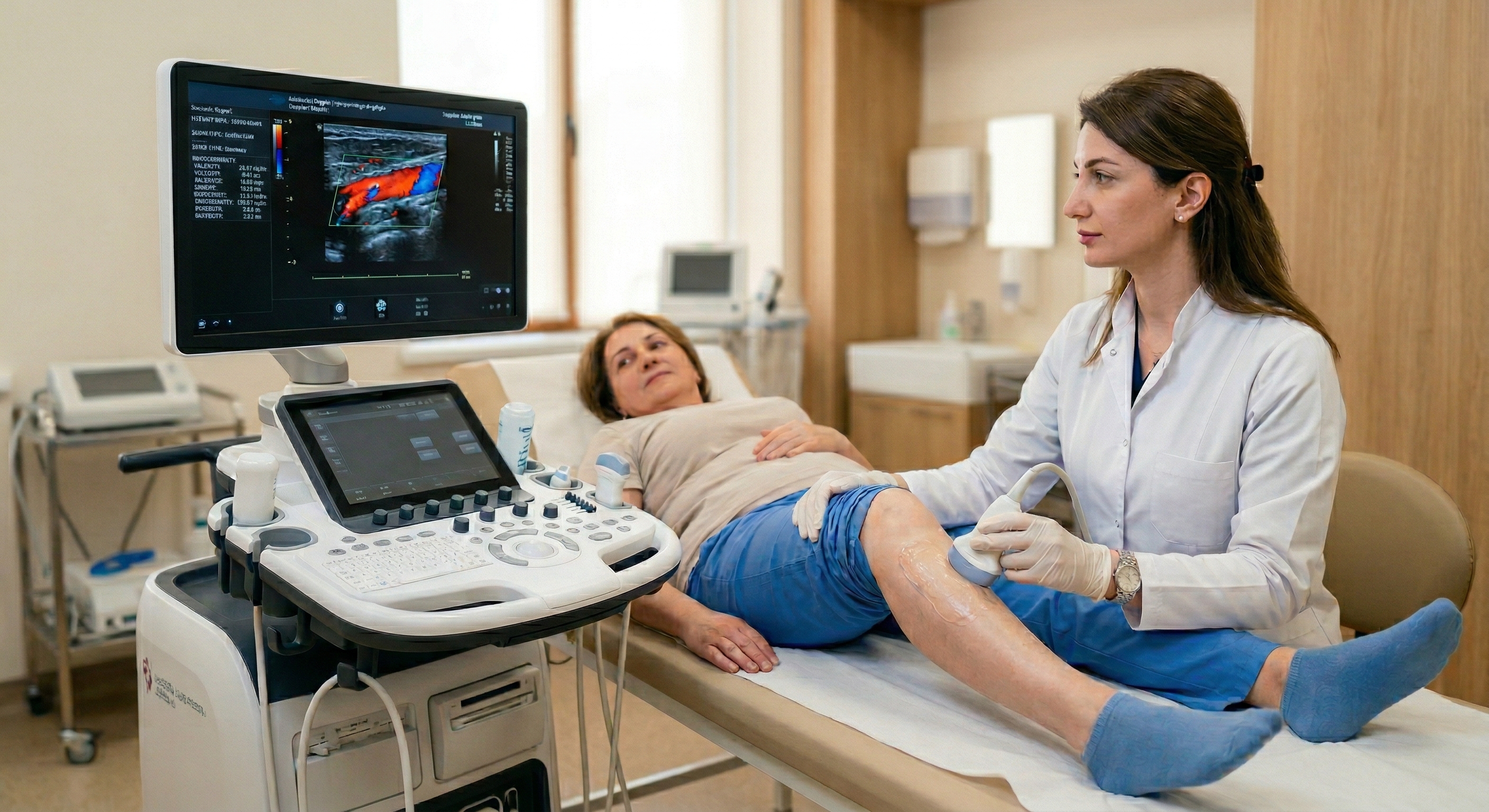
Venous problems - why you shouldn't ignore early symptoms
Venous problems affect many people. Still, many do not notice early symptoms at first:
- Pain and heaviness in the legs at the end of the day;
- Visible veins under the skin;
- Swelling of the lower extremities.
All of this may indicate venous insufficiency. Without timely diagnosis and treatment, it can lead to serious complications.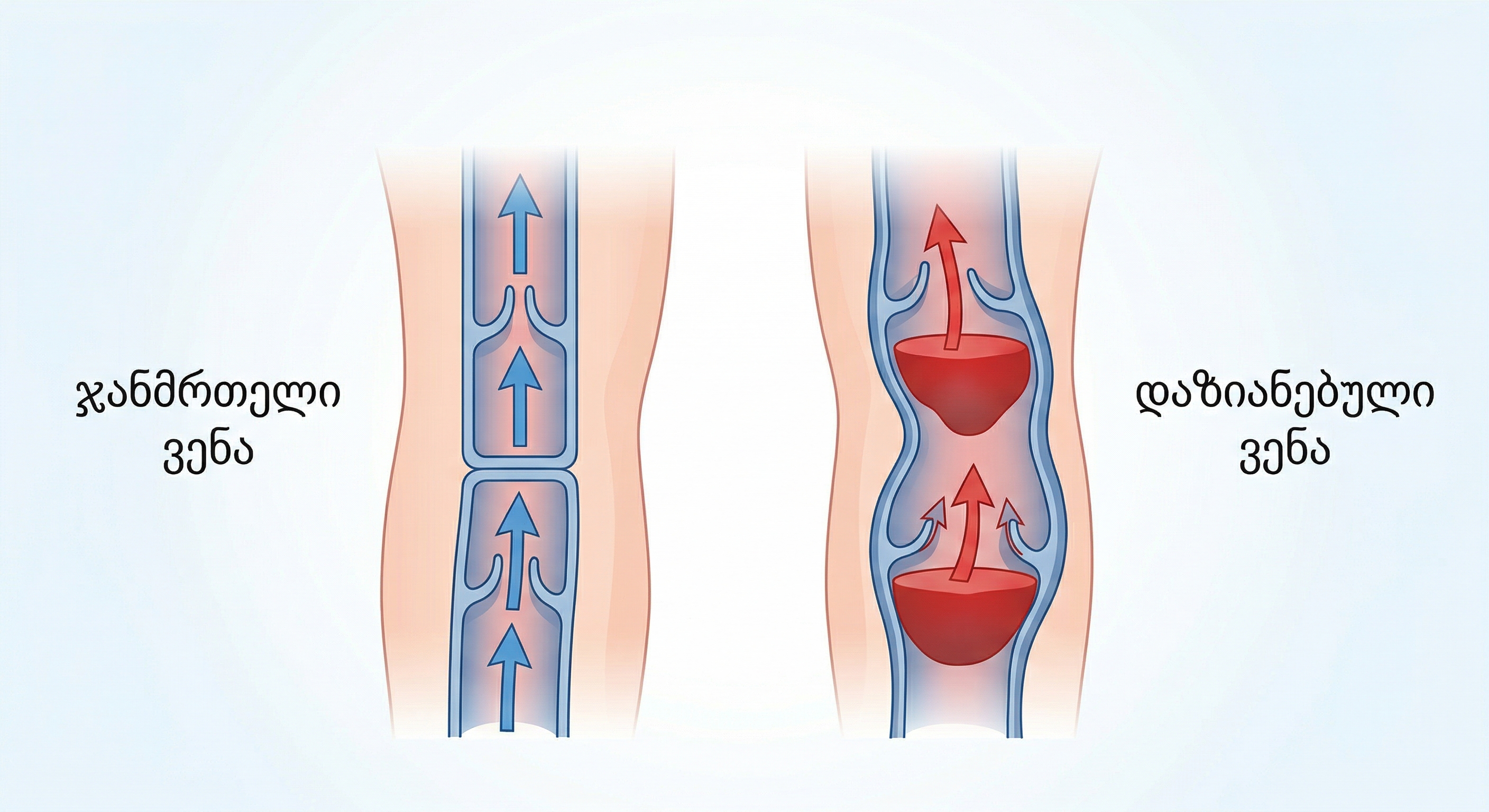
Pathologies of the veins and vascular system are caused by various risk factors, including:
- Genetic predisposition;
- Standing or sitting for long periods of time;
- Overweight;
- Pregnancy and more.
In addition, with age, the function of venous valves decreases , which often leads to venous insufficiency . This is why venous Dopplerography is one of the most important tools in preventive medicine.
In this case, early diagnosis helps prevent complications and significantly increases the effectiveness of treatment.
Varicose veins - a disease that requires attention
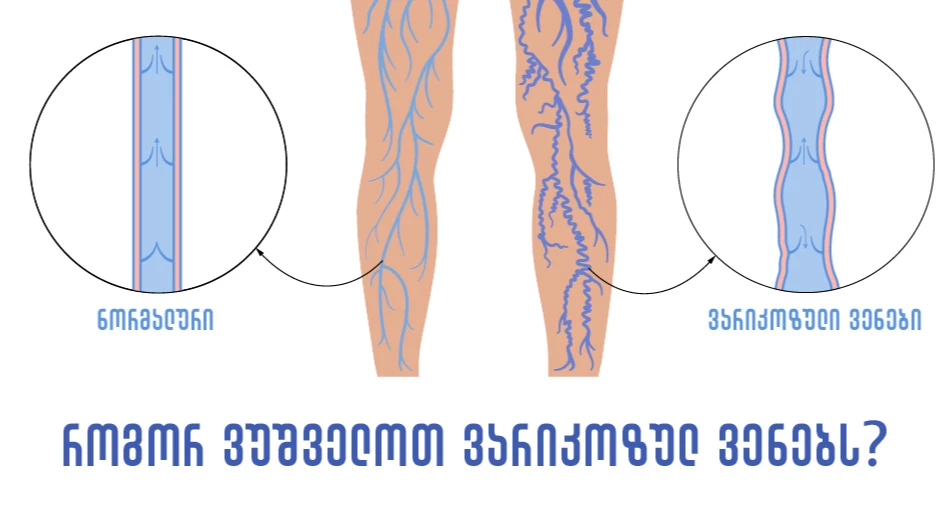
Varicose veins are one of the most common diseases of the venous system. It is a pathological condition in which the veins become dilated, tortuous, and lose their functional efficiency. Varicose veins and the chronic venous insufficiency associated with them impair the quality of life of millions of people.
The disease works like this: In healthy veins, valves help blood flow one way. It moves from the legs to the heart. When these valves are damaged, blood flows in the opposite direction, which creates pressure on the veins. At this time, the veins gradually expand, the walls weaken, and the characteristic symptoms of varicose veins appear.
Symptoms of varicose veins are:
- Leg pain;
- Feeling of heaviness (especially in the evening);
- Swelling of the ankles;
- Subcutaneous blue-green veins;
- Calf muscle cramps and skin discoloration.
Although symptoms are mild early on, the disease can worsen without treatment. It may cause trophic ulcers, thrombophlebitis, or deep vein thrombosis.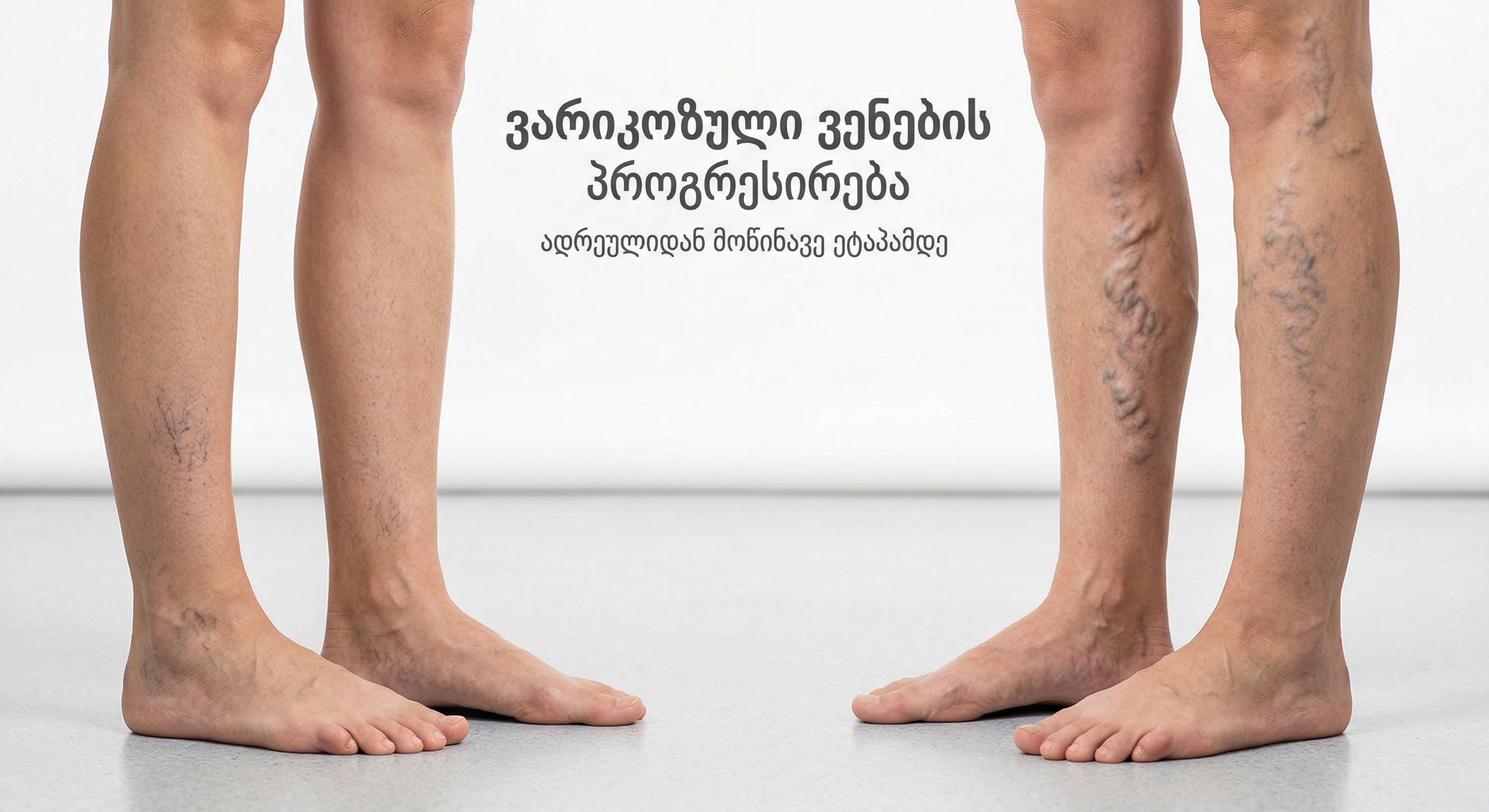
When is venous Dopplerography recommended?
Dopplerography is necessary if:
- Do you suffer from pain, swelling or a feeling of heaviness in your legs, especially at the end of the day?
- You notice prominent veins or so-called "spider veins" on your skin;
- Do you have a genetic predisposition to varicose veins?
- Do you often suffer from cramps in the shin area?
- You are pregnant - during pregnancy, the load on the venous system increases significantly;
- Do you have to stand or sit for long periods of time at work?
- You have had thrombosis or phlebitis and need monitoring;
- Your doctor has recommended surgery and a preoperative evaluation is required.
Typically, a vein doctor (angiologist or vascular surgeon) will order a Doppler ultrasound at the first visit. This test gives an accurate and objective picture.
How is the procedure going?
Doppler venous imaging is a simple and quick procedure that does not require special preparation:
- The patient lies down or stands up (as directed by the doctor) so that the veins can be examined in different positions. At this time, the doctor assesses the characteristics of blood flow in both horizontal and vertical positions.
- A special gel is applied to the area being examined, which helps improve the transmission of ultrasound waves.
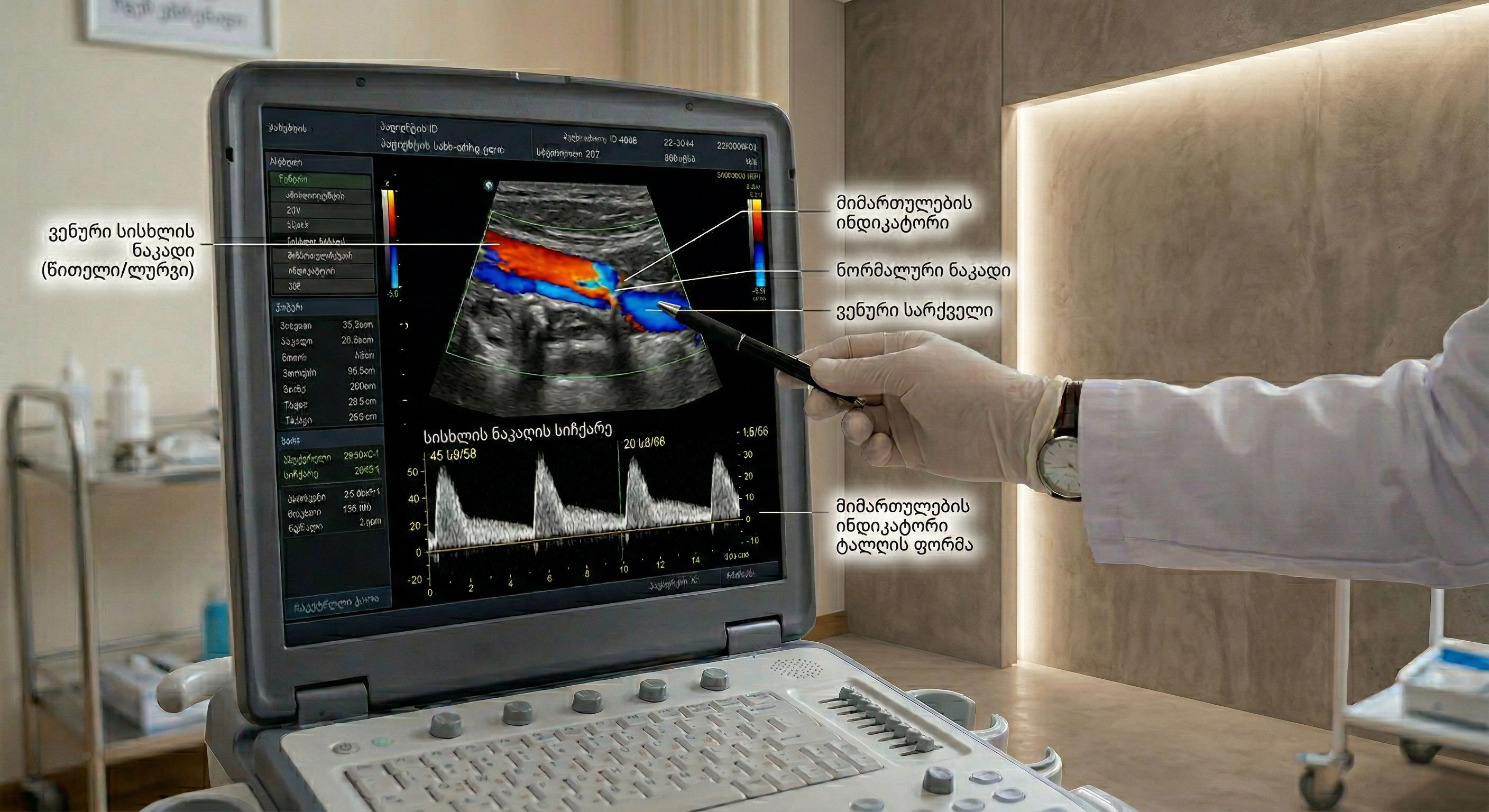
- The doctor uses a special transducer (sensor) to view the veins and arteries on a screen. The doctor checks blood flow direction using color coding.
- The procedure lasts 15-25 minutes, is completely painless, and requires no prior preparation - neither fasting nor discontinuation of medications.
Immediately after the study, the patient receives a detailed report and returns to his usual rhythm of life.
Inflammation of the veins - a danger that should not be ignored
Phlebitis is a condition in which the wall of a vein becomes inflamed. Superficial phlebitis can be painful but is usually manageable with conservative treatment. Deep vein thrombosis (DVT) is more dangerous and can lead to a life-threatening complication called pulmonary embolism. 
Symptoms of vein inflammation include:
- Pain and redness along the vein;
- Local heat;
- Swelling and hardening of the skin.
In this case, Doppler imaging is even more important. It helps find the exact site of inflammation. It shows if a thrombus is present or not. It also shows its size and how open the vessel is.
Angiologists and vascular surgeons at the Bochorishvili Clinic use an integrated approach. They use Dopplerography results to find the cause of vein inflammation. They then choose a treatment plan for each patient.
What results does Dopplerography give us?
The study allows the angiologist to comprehensively assess the functional state of the vascular system:
- The condition and function of venous valves (locks) - how effectively they ensure the unidirectional flow of blood flow;
- The presence of a thrombus, its size and location - which is crucial information for thrombosis prevention;
- Degree of development of varicose veins - from the initial stage to severe form;
- Quantitative parameters of blood flow velocity and volume;
- Determining the exact treatment tactics - whether it is drug therapy, compression hosiery, or minimally invasive laser surgery.
Dopplerography of extracranial vessels
Dopplerography is not limited to the veins of the lower extremities. Dopplerography of extracranial vessels is a test. It checks the main arteries and veins that supply blood to the brain. These vessels are located outside the skull.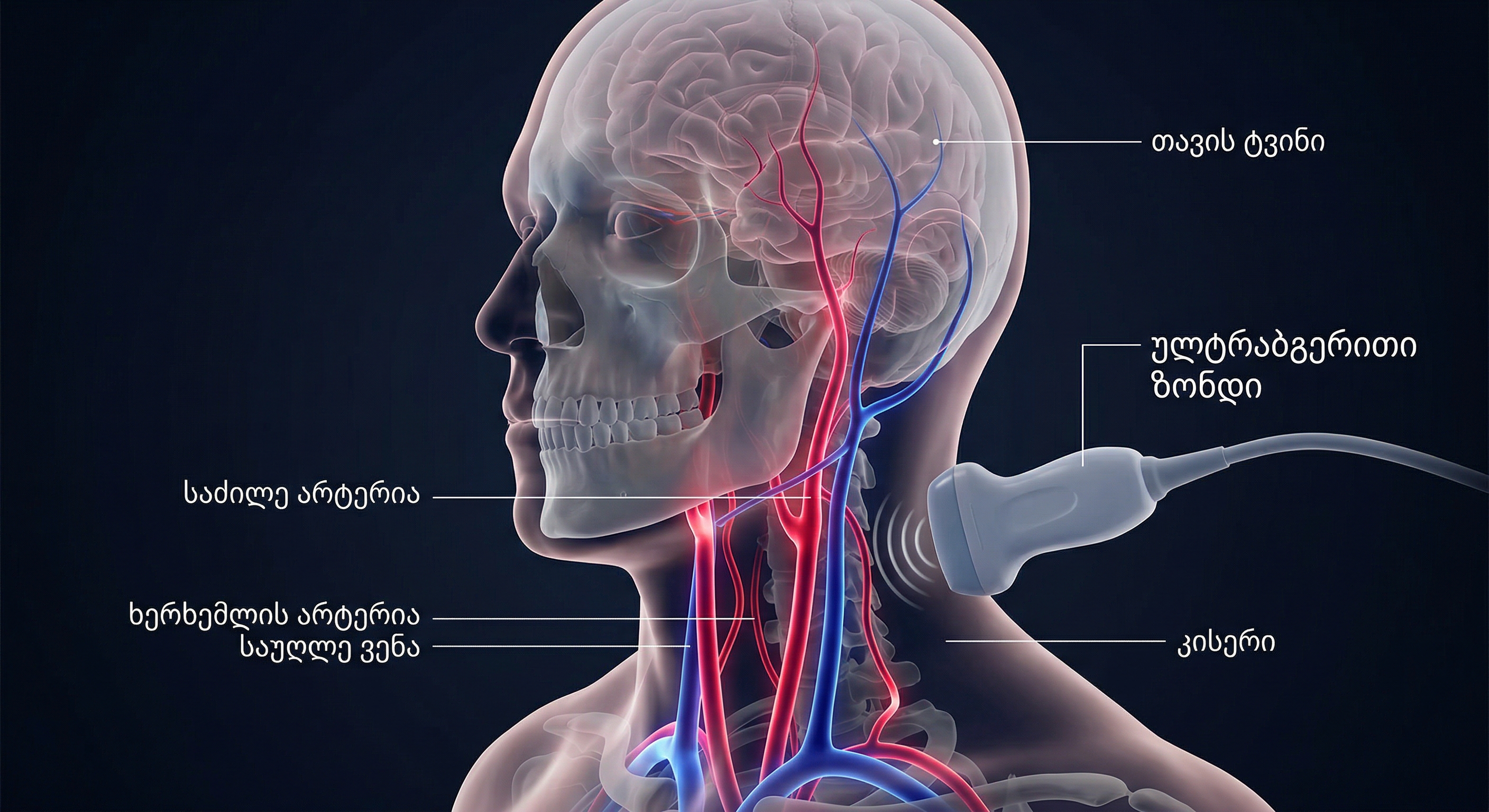
In addition, evaluation of extracranial blood vessels allows early detection of dangerous pathologies, such as carotid artery stenosis. Carotid artery stenosis is a main cause of stroke.
At Bochorishvili Clinic, we perform Dopplerography of extracranial blood vessels using high-resolution equipment. This lets us see even the smallest changes in blood vessel walls.
Dopplerography of the neck vessels
Neck Doppler focuses on the arteries and veins in the neck. It looks at the carotid arteries, vertebral arteries, and jugular veins. It is the most common and clinically important form of extracranial Doppler.
A neck blood vessel study is recommended if:
- The patient suffers from frequent headaches, dizziness, or ringing in the ears;
- There are risk factors for atherosclerosis - high cholesterol, hypertension, diabetes mellitus;
- The patient has had a transient ischemic attack (TIA) or stroke;
- Preoperative cardiovascular surgery evaluation is required;
- There is suspicion of vascular anomalies.
Dopplerography of the neck vessels does not require special preparation, is painless and lasts 20-30 minutes. The study is done at the Bochorishvili Clinic by skilled radiologists. They provide a detailed report to the referring doctor.
How safe is Dopplerography?
Doppler ultrasound is a completely safe test. It does not use X-rays, does not require injections, contrast agents, or skin incisions. Although some people have unfounded fears about ultrasound studies, science has proven diagnostic ultrasound does not harm tissues.
The study can be repeated on people of any age, including children and pregnant women, with no side effects. This feature makes Doppler imaging particularly attractive for dynamic monitoring - for example, for periodic assessment of the effectiveness of varicose vein treatment.
Dopplerography - price and availability
How much does Doppler ultrasound cost? The price depends on the study’s scope. A lower leg vein assessment costs differently than a full scan. A neck blood vessel study also costs differently. In addition, the price of the study may depend on the clinic's equipment and the qualifications of the doctor.
Bochorishvili Clinic operates a flexible system: it is possible to use both private insurance and participate in state programs. To find the exact price, we recommend a first consultation. During it, the administrator will explain the service terms.
Offer: Varicose Vein Treatment with Laser
For whom is Dopplerography particularly important?
- For those who have already been diagnosed with varicose veins and need to monitor the condition;
- For patients in the post-operative period - to assess the dynamics of vein treatment;
- For people who suffer from chronic swelling of the lower extremities;
- For pregnant women, who are at high risk of varicose veins due to increased load on the veins;
- For those who prefer preventive medicine and want to avoid serious complications such as thromboembolism;
- For patients with neurological symptoms who require evaluation of the neck or extracranial blood vessels.

Why should you choose Bochorishvili Clinic?
Bochorishvili Clinic is distinguished by its highly qualified vascular surgeons and radiologists. The latest ultrasound equipment lets you see even the smallest changes in veins and arteries. This helps ensure you start the right treatment.
At the clinic, you will find professionalism backed by years of clinical experience. You will also find a comfortable and modern environment. We take an individual approach, and we review each patient’s case separately.
How to book a visit?
Bochorishvili's clinic is located in Tbilisi, Saburtalo, at 16 Kazbegi Ave.
Pre-registration and additional information can be obtained at:
📞 032 231 21 12 or 577 22 21 12
Don't postpone taking care of your health - timely diagnosis is the best treatment.