Restful sleep - why is it the foundation of health and how can we improve the quality of sleep?
What is restful sleep, how many hours is needed for an adult, and how to get rid of insomnia - medical advice from Bochorishvili Clinic.

Introduction
Restful sleep is not a luxury - it is a biological necessity, just like food, water, and oxygen. A person spends about 30% of his life sleeping, because it is during the night that the body's most important restorative processes take place:
- The brain processes information received during the day;
- The immune system strengthens defenses;
- Heart rate and blood pressure decrease.
According to the CDC (US Centers for Disease Control), more than 30% of adults sleep less than 7 hours a night, which is directly linked to cardiovascular and mental health.
In this article, together with specialists from the Bochorishvili Clinic, we will discuss what restful sleep is , why we need it, and how to restore a healthy sleep routine. 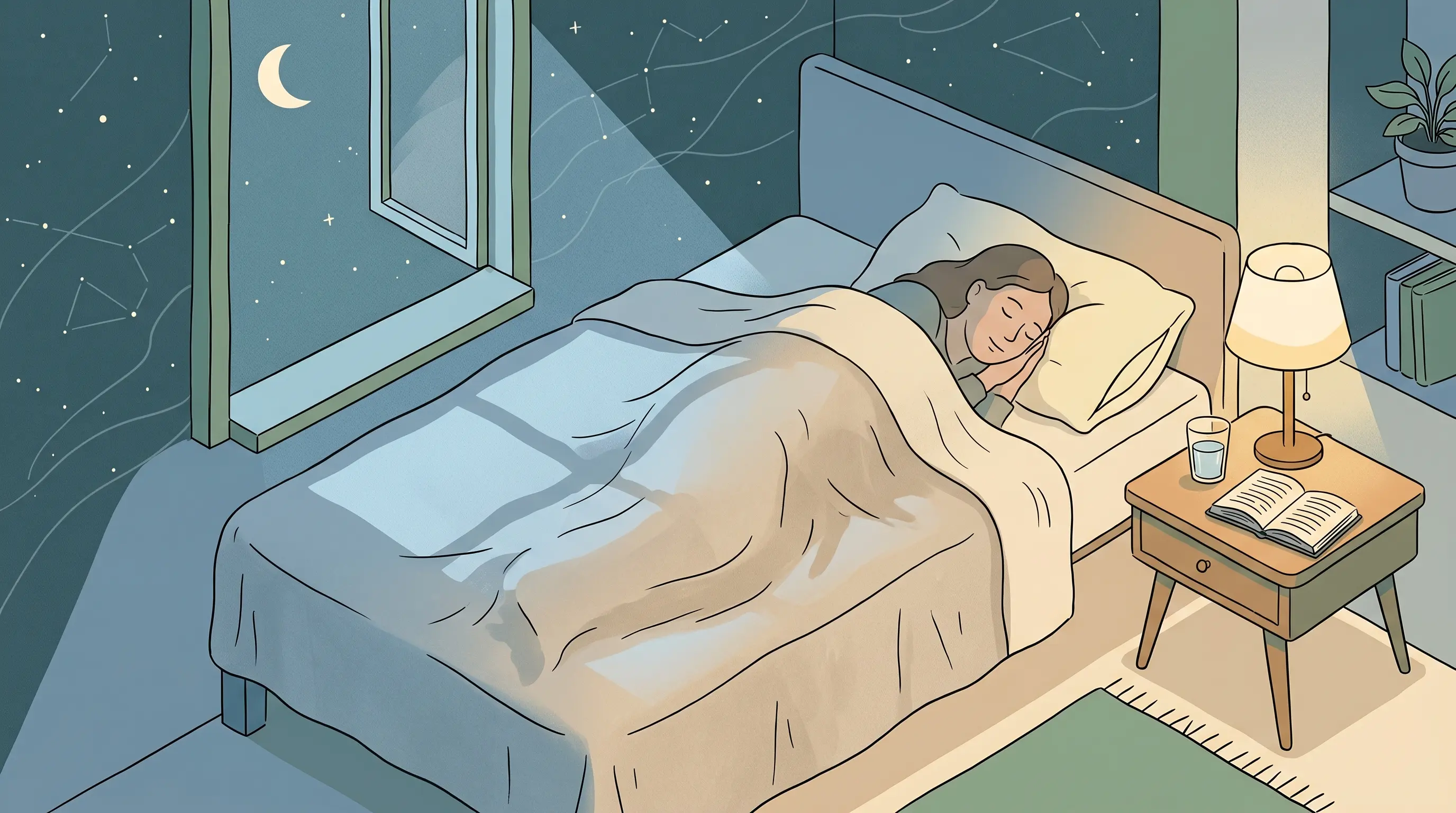
What is restful sleep?
Restful sleep does not mean 8 hours of sleep with your eyes closed. Clinically, it refers to a continuous and complete alternation of cycles - light sleep, deep sleep, and REM (rapid eye movement) phase.
One complete cycle lasts about 90 minutes and is repeated 4-6 times during the night. It is in the deep phase that growth hormone - somatotropin is released, cell repair and memory consolidation occur. If sleep is fragmented, sleep cycles are disrupted - in such a case, despite 8 hours of sleep, a person may wake up tired. 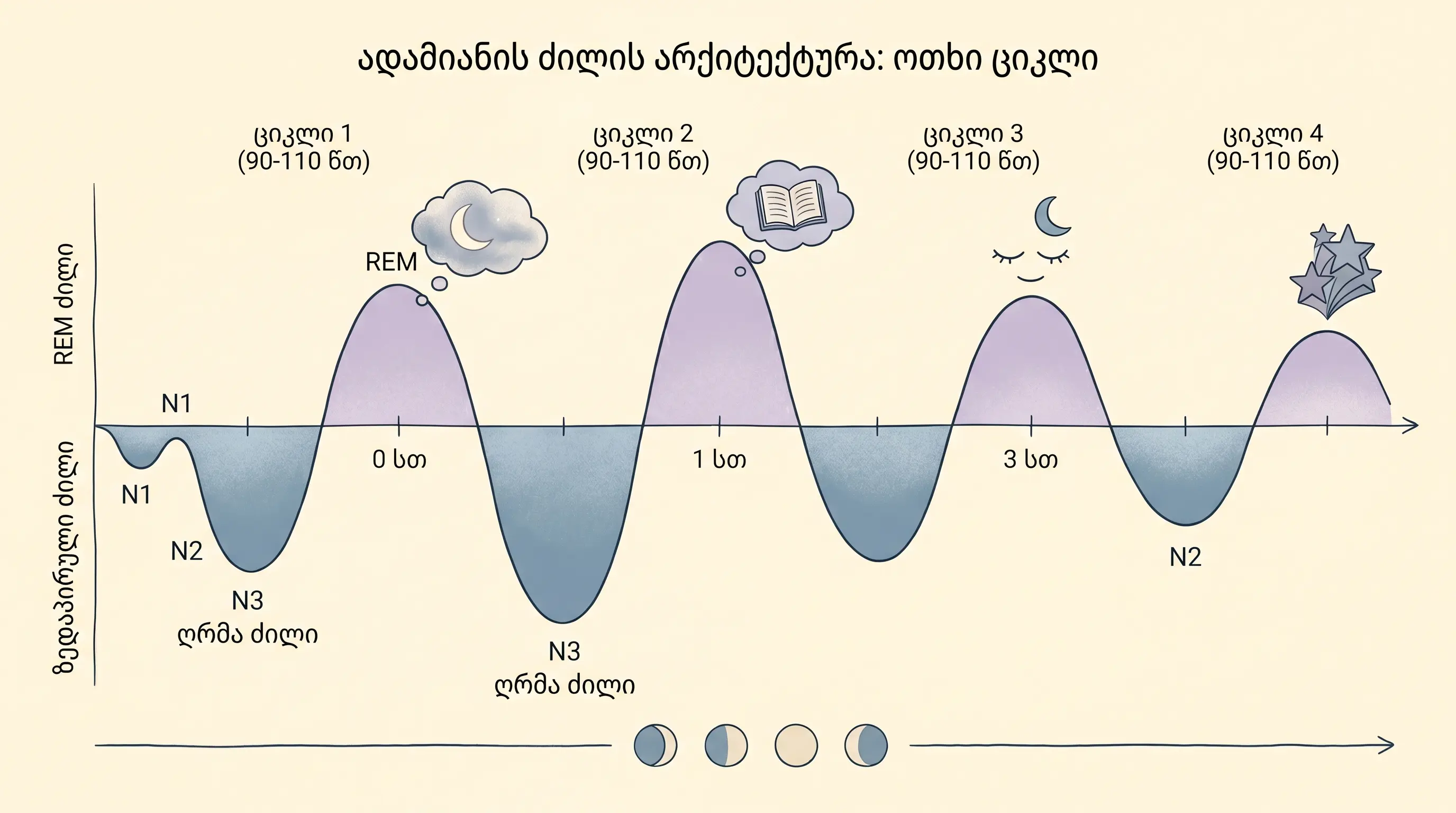
How many hours should we sleep? - Recommendations by age
According to the joint recommendation of the American Academy of Sleep Medicine and the CDC, healthy sleep duration is distributed as follows:
- Newborns (0-3 months) : 2-5 hours
- Infants (4-12 months): 12-16 hours
- Preschool age (3-5 years) : 10-13 hours
- School age (6-12 years) : 9-12 hours
- Teenagers (13-18 years old) : 8-10 hours
- Adults (18-64 years) : 7-9 hours
- Seniors (65+ years) : 7-8 hours
Sleep duration is important, but regularity is equally important - going to bed and waking up at the same time gives the circadian rhythm the stability that helps maintain hormonal balance. 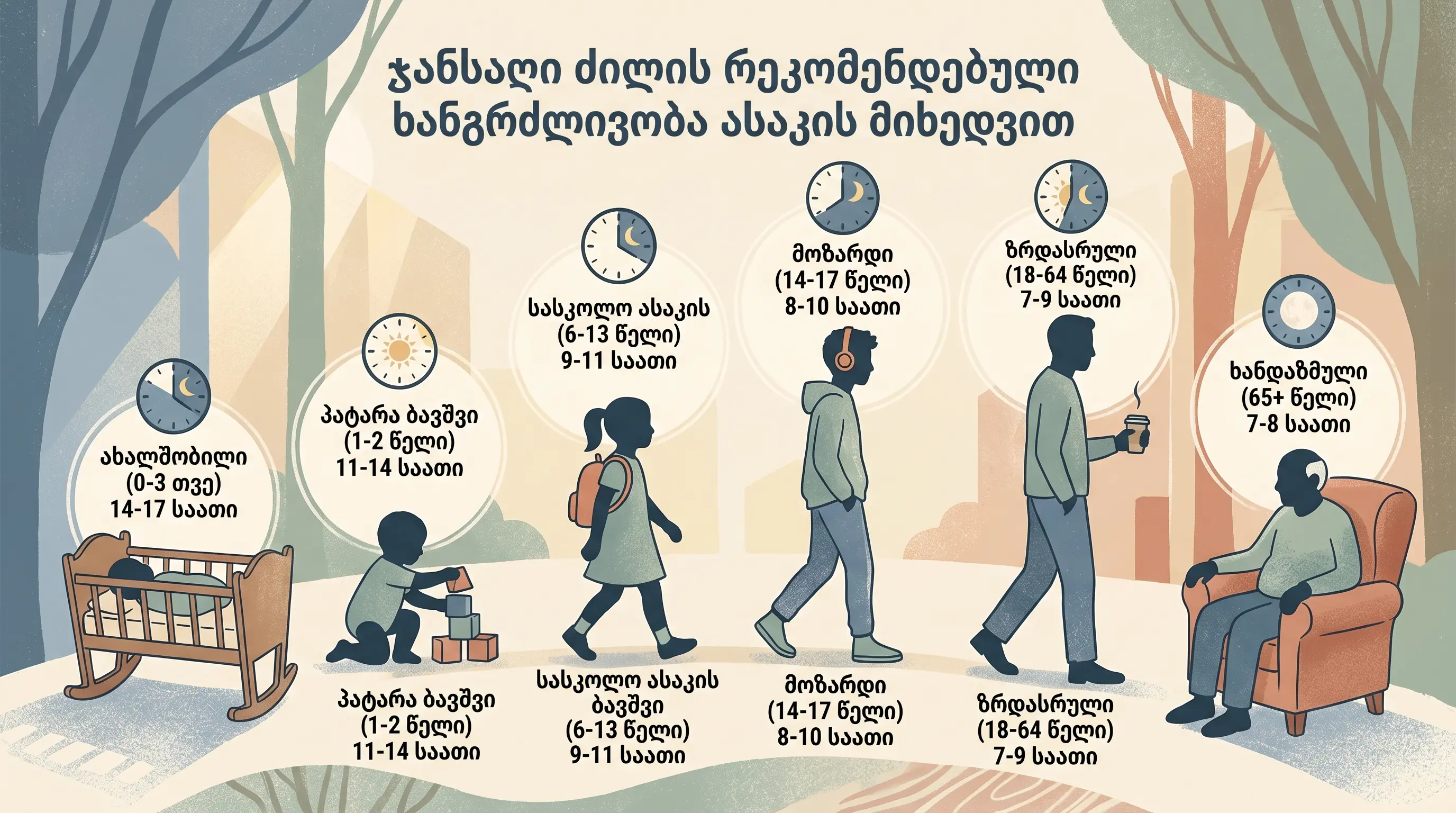
What happens in the body when we sleep peacefully?
Sleep is not an inactive state - it is an active biological process:
- Brain: The glymphatic system in the brain clears neurotoxins, including beta-amyloid, which is linked to Alzheimer's disease.
- Immune system: During deep sleep, the production of cytokines - proteins that fight inflammation and infection - increases.
- Heart and blood vessels: Blood pressure drops and the heart rate slows down, which is vital for the body's recovery.
- Metabolism: Leptin and ghrelin, which regulate hunger and satiety, are balanced.
- Mental health: Emotional information is processed during REM sleep, which reduces the risk of anxiety and depression.
The invisible consequences of insomnia - how does it affect health?
According to global statistics, approximately 16.2% of the world's adult population (852 million people) struggles with chronic insomnia . This problem is twice as common in women as in men.
Systemic sleep deprivation causes:
- Weakening of memory and concentration;
- Increased risk of ischemic heart disease, hypertension, and stroke;
- The risk of developing type II diabetes and obesity;
- Worsening of depression and anxiety disorders;
- Decreased immunity - relatively severe course of infections;
- Reducing life expectancy.
According to new research, sleeping less than 6 hours for even just 1 week causes changes in gene expression, which is associated with increased inflammatory processes in the body.
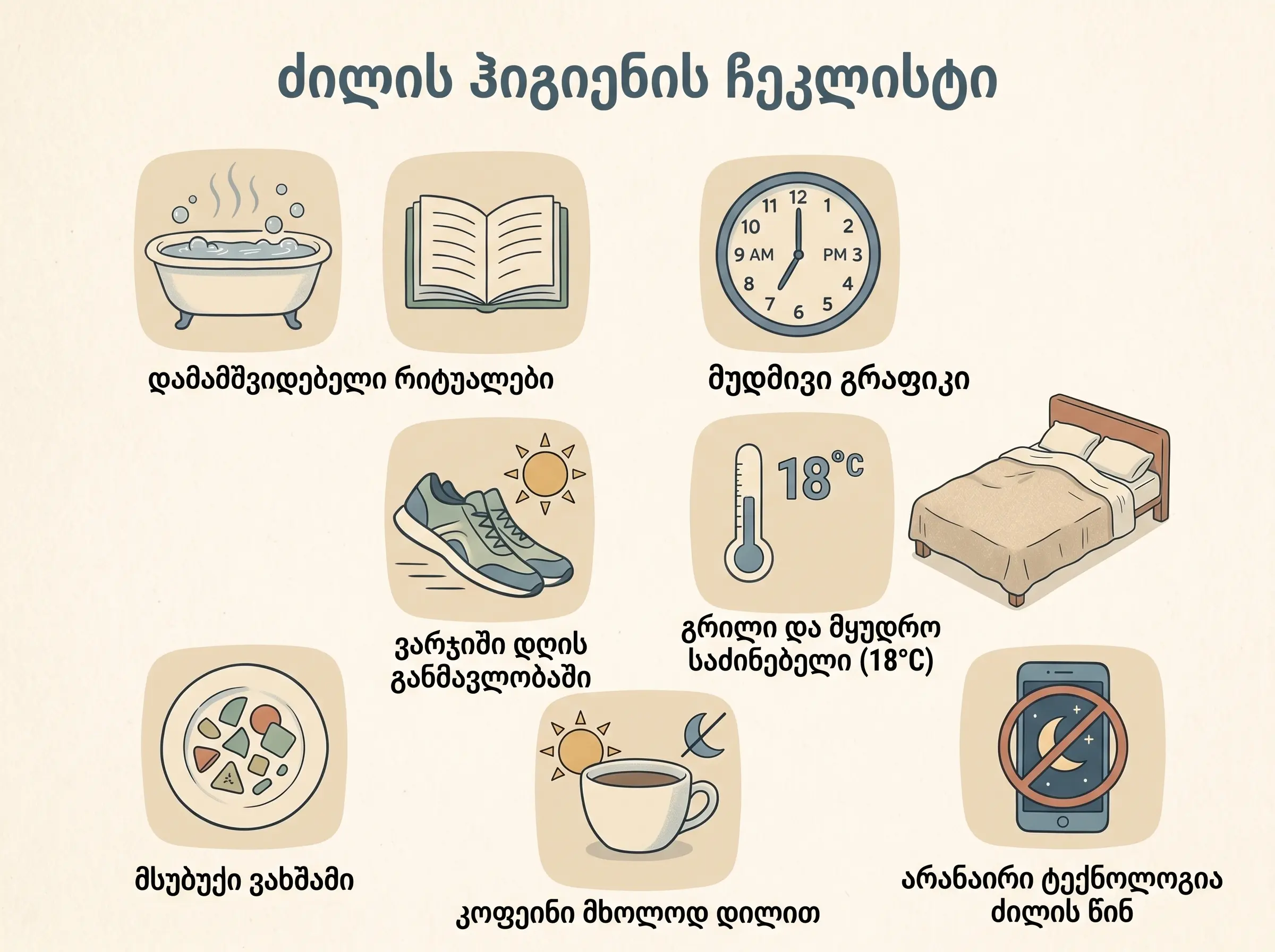
Sleep hygiene - 7 steps for a restful night
- Keep a consistent routine - go to bed and wake up at the same time, even on weekends. The circadian rhythm works constantly, without rest.
- Create a comfortable environment - optimal temperature - 16-20°C, darkness and silence. A quality mattress and pillow are also important.
- Limited screen time - Blue light blocks the release of melatonin, the sleep hormone.
- Limit caffeine after noon - it takes the body 5-6 hours to break down caffeine. Even a cup of coffee in the evening can disrupt your sleep pattern.
- Choose a light dinner - eating a large or fatty meal 3 hours before bedtime causes reflux and fragmented sleep.
- Physical activity - Regular exercise every morning improves the duration of the deep sleep phase.
- Create a bedtime routine - reading a book, taking a warm shower, breathing exercises - this is a kind of signal to the brain that the day is coming to an end.
When should you see a doctor?
If, despite following sleep hygiene for a month, you experience the following symptoms, it's time to consult a doctor:
- You take more than 30 minutes to fall asleep;
- You wake up often at night and have difficulty falling back asleep;
- During the day you feel very sleepy, have headaches, and have difficulty concentrating;
- Do you suffer from loud snoring at night or have irregular breathing (a sign of sleep apnea);
- Do you experience a sensation of uncontrolled movement of your lower limbs before falling asleep?
Frequently Asked Questions (FAQ)
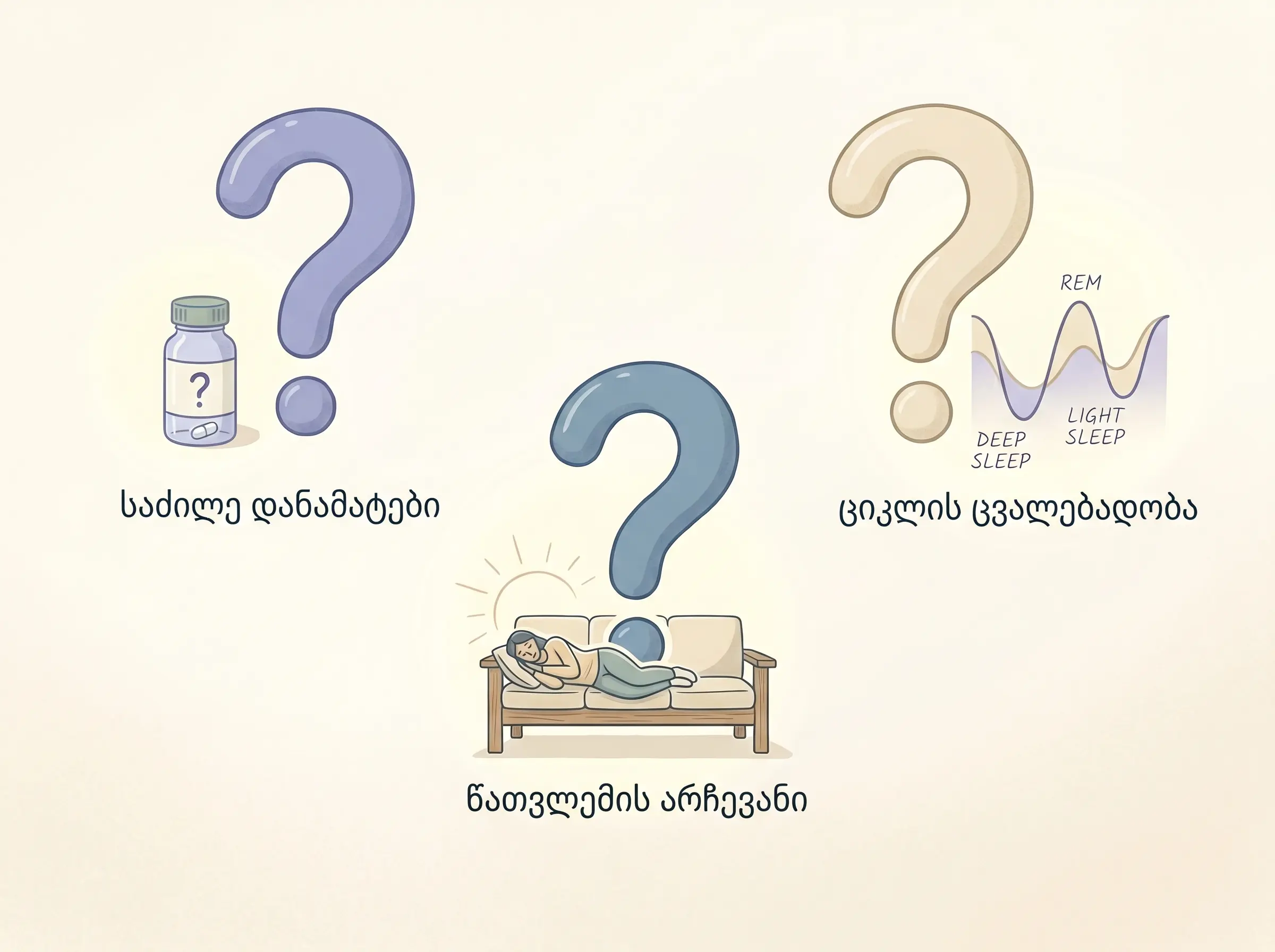
What is the main indicator of healthy sleep?
Restful sleep is determined not only by its duration, but also by the orderly alternation of sleep phases - during which you wake up energetic and with renewed strength.
Is melatonin safe?
It is considered safe for short-term use, although the duration and dosage of its use are determined by a doctor. Self-medication is not recommended.
Is an afternoon nap good?
A 20-30-minute nap between 1:00 PM and 3:00 PM improves concentration and helps restore physical strength. It is important to note that excessive daytime sleepiness negatively affects nighttime sleep.
Frequently Asked Questions