Symptoms and signs of proctological diseases
What symptoms indicate a proctological disease and when is a visit to the doctor necessary? A complete guide to diagnosis and treatment.

Introduction
Proctological diseases often cause severe discomfort and significantly reduce the quality of life. These pathologies cause damage to the rectum and perianal space, and their early recognition is critically important for effective, minimally invasive or conservative treatment.
The most common symptoms of proctological diseases are pain, itching, bleeding, and constant discomfort in the anus. Also, functional changes in the intestine can lead to proctological diseases, which is why early symptoms should not be ignored.
A colono-proctologist is a specialist who treats diseases of the rectum and anal canal. A timely visit to a proctologist allows you to avoid complications and receive proper medical care.
In this article, we will discuss in detail the main symptoms and signs of proctological diseases, their diagnosis and treatment methods, as well as best practices for prevention.
What is proctology and what does a proctologist do?
Proctology is a branch of medicine that studies diseases of the rectum, anal canal, and perianal area. A proctologist is a narrow-profile specialist who manages pathologies of the lower segment of the gastrointestinal tract, the colon, and the rectum.
A proctologist performs a variety of diagnostic and treatment procedures, including:
- visual and digital rectal examinations;
- Endoscopic and instrumental examinations (anoscopy, sigmoidoscopy);
- Conservative treatment, surgical interventions if necessary.
A proctologist helps patients who suffer from severe and often unbearable pain. Timely treatment can significantly improve daily life.
The main types of proctological diseases
Proctological diseases are diverse and each of them requires an individual approach. The most frequently diagnosed pathologies are:
- Hemorrhoids - dilation of the veins in the lower part of the rectum, which is manifested by itching, bleeding and discomfort, and in advanced cases, the nodes may protrude;
- Anal fissure - a superficial lesion of the anal mucosa that causes severe pain during defecation and subsequent bleeding;
- Perianal abscess (paraproctitis) - purulent inflammation in the perianal area that requires urgent surgical intervention;
- Anal fistula - a pathological opening between the rectum and the perianal skin, which is often the result of a purulent process;
- Colorectal cancer - malignant or benign tumors of the rectum and colon, the early detection of which can save lives;
- Pilonidal cyst of the coccyx - a congenital pathology that manifests itself in the presence of skin pores in the coccyx area.
Each disease requires a different approach, so it is necessary to consult a doctor.
Symptoms and signs that require attention
Proctological diseases manifest with specific symptoms. Their early detection is critical to prevent complications.
Constant dull pain in the anal area is one of the most common symptoms of proctological pathologies. The pain often intensifies during or after defecation and progresses without treatment.
Rectal bleeding is an important sign that requires attention. Even a small amount of bleeding can be a symptom of a serious condition, including colorectal cancer.
Changes in bowel habits - chronic constipation, diarrhea, or a sudden change in stool consistency may indicate a proctological problem.
Anal itching is a painful and persistent symptom that is often a sign of infection or other pathology.
The following symptoms are grounds for mandatory medical consultation:
- Persistent or severe pain in the anal area
- Blood in defecation or on toilet paper
- Change in bowel habits
- Chronic anal itching
- Palpable growths in the anal area
- Mucous or purulent discharge
- Weight loss of unknown origin
Timely consultation with a proctologist ensures effective disease management and rapid recovery.
The most common proctological diseases
Hemorrhoids
Hemorrhoids are the most common proctological disease, which occurs as a result of the expansion of blood vessels in the lower part of the rectum or anal canal. They are manifested by itching, discomfort and bleeding, as well as the presence of unusual formations.
Anal fissure
Anal fissure - a small tear in the lining of the anal canal that causes severe pain during defecation. Its occurrence is often associated with constipation and dietary disorders, and recovery requires proper care and lifestyle changes.
Abscess and fistula
Perianal abscess and anal fistula - anal are infectious processes that cause severe pain and usually require surgical intervention. Early diagnosis is critically important to prevent complications.
Colorectal cancer
Colorectal cancer is one of the most dangerous proctological pathologies. Regular screening helps in early detection and increases the likelihood of successful treatment. Cancer often begins to develop from benign polyps.
When should you consult a proctologist?
A timely visit to a proctologist is crucial for effective treatment. Delay often leads to complications and difficult-to-manage conditions.
Persistent symptoms - such as pain, discomfort, bleeding, or changes in bowel habits - should never be ignored.
The following symptoms require urgent consultation:
- Severe, unbearable anal or rectal pain;
- Weight loss of unknown origin;
- Visible growths in the anal area;
- Severe rectal bleeding;
- High temperature with anal pain.
A scheduled visit is necessary if:
- Anal or rectal pain or persistent discomfort of unknown origin;
- Chronic itching or irritation;
- Change in stool consistency;
- Traces of blood in the stool.
Early intervention prevents the progression of proctological diseases and ensures the maintenance and improvement of quality of life.
Diagnosis and treatment
Diagnosis of proctological diseases requires specific methods - from visual inspection to advanced instrumental procedures.
Main diagnostic methods:
- Visual inspection;
- Digital rectal examination;
- Anoscopy;
- Rectoromanoscopy;
- Colonoscopy.
Treatment tactics depend on the diagnosis. Some conditions only require lifestyle changes - changing your diet, increasing your fluid intake, and increasing your physical activity. More complex cases require medical or surgical intervention.
Modern treatment methods:
- Topical preparations (ointments, suppositories);
- Systemic drug therapy;
- Minimally invasive surgery (ligation, sclerotherapy, intrasphincteric injections, laser procedures);
- Traditional surgical intervention.
A proctologist provides complete patient management from diagnosis to rehabilitation.
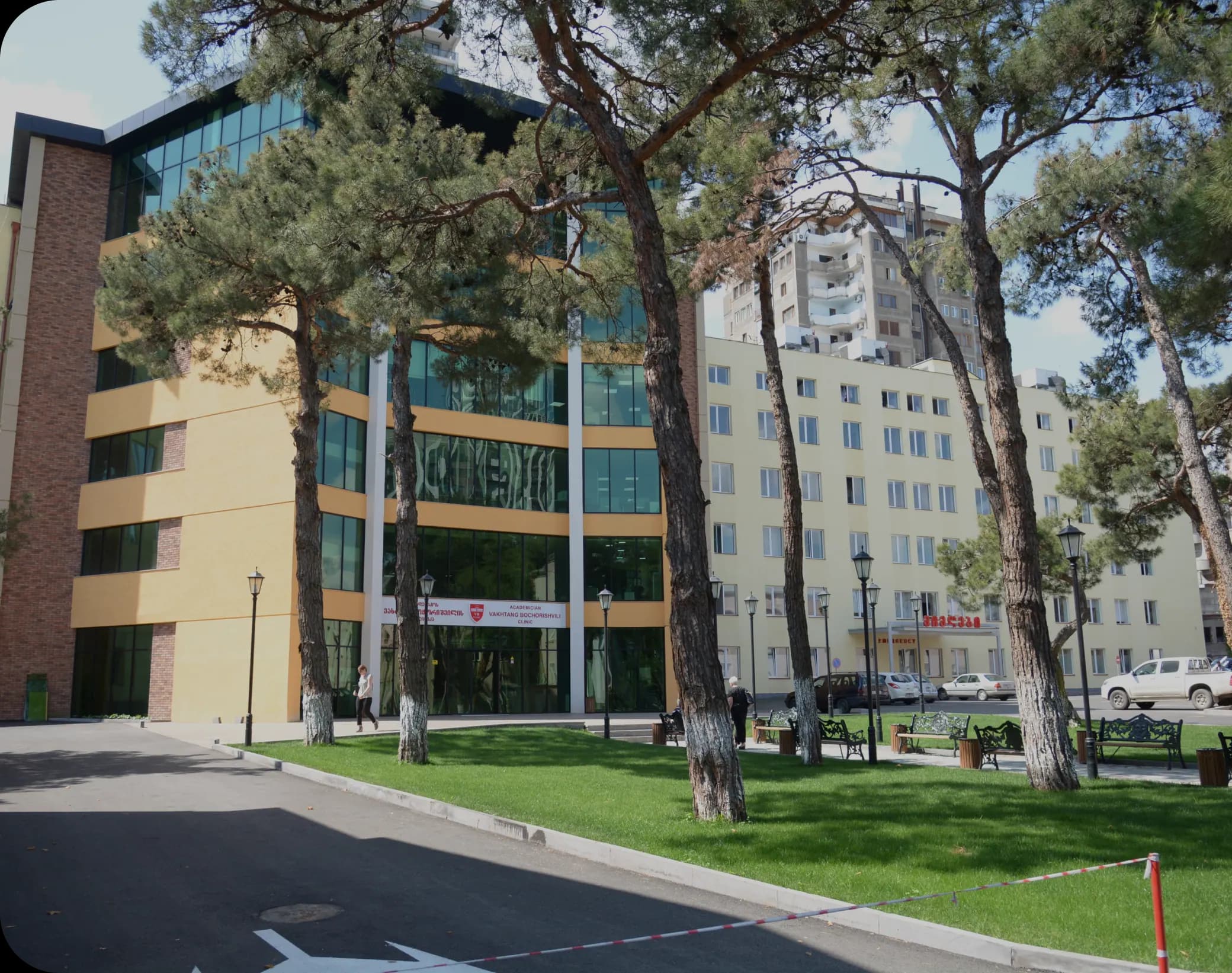
Offer: Laser treatment of proctological diseases at Vakhtang Bochorishvili Clinic.
Prevention and health maintenance tips
Maintaining proctological health requires a proactive approach and proper lifestyle management.
A diet rich in fiber promotes regular bowel movements and reduces straining during defecation. Daily intake of 25–35 grams of fiber significantly reduces the risk of proctological diseases.
Regular physical activity improves digestion and prevents the development of constipation, which is a major risk factor for many proctological diseases.
Drinking enough fluids, at least 1.5-2 liters of water per day, helps to keep stools soft.
Maintaining anal hygiene and cleanliness is essential for preventing infections.
Stress management and psychoemotional balance have a significant impact on gastrointestinal health.
Basic prevention steps:
- Maintaining a diet rich in fiber;
- Regular physical activity;
- Adequate hydration;
- Compliance with personal hygiene standards;
- Effective stress management;
- Regular preventive visits to a proctologist (especially after 45 years of age).
Conclusion
Timely recognition of symptoms and signs of proctological diseases is crucial for effective treatment. Timely consultation with a proctologist significantly improves treatment outcomes and prevents the development of complications.
Attentive attitude towards one's own body, adherence to a healthy lifestyle, and regular medical examinations - these are the three pillars on which proctological health is built.
Do not ignore symptoms and do not delay a visit to the doctor. Health is an investment in a full and active life.
Frequently Asked Questions