Laparoscopic Gallbladder Surgery: A Complete Guide - From Symptoms to Rehabilitation
Laparoscopic gallbladder removal, ERCP stone removal, rehabilitation and diet.
Introduction
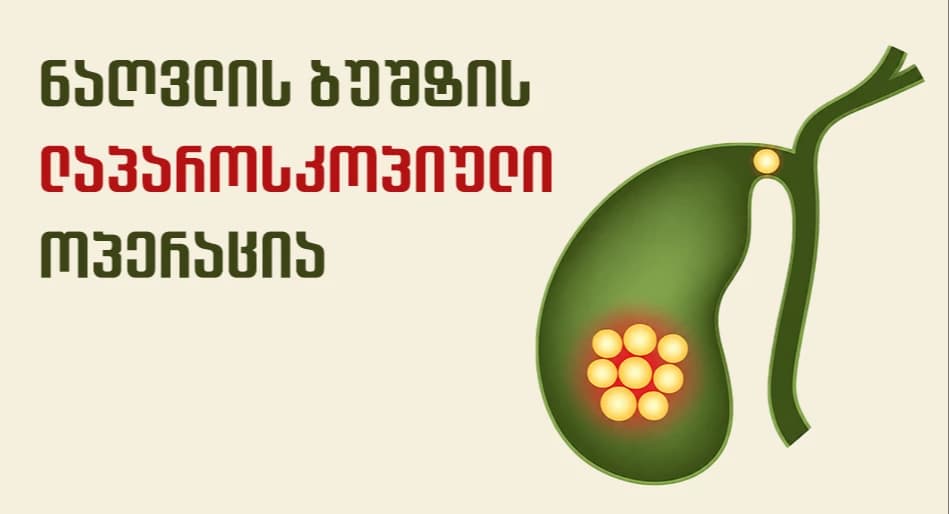
The gallbladder is a small organ with an important function - it is located under the liver and is involved in the digestion of fats. When its functioning is disrupted (most often due to the formation of stones - cholelithiasis), the patient is faced with a choice: to continue conservative treatment or to resort to surgical intervention. Modern gastroenterology and general surgery unanimously recognize that the "gold standard" in the case of symptomatic gallstones is laparoscopic cholecystectomy - an operation to remove the gallbladder, performed through small incisions. In this guide, we will learn what happens during this operation, what the ERCP procedure, which is performed to remove bile duct stones, means, and how to prepare for the postoperative period. 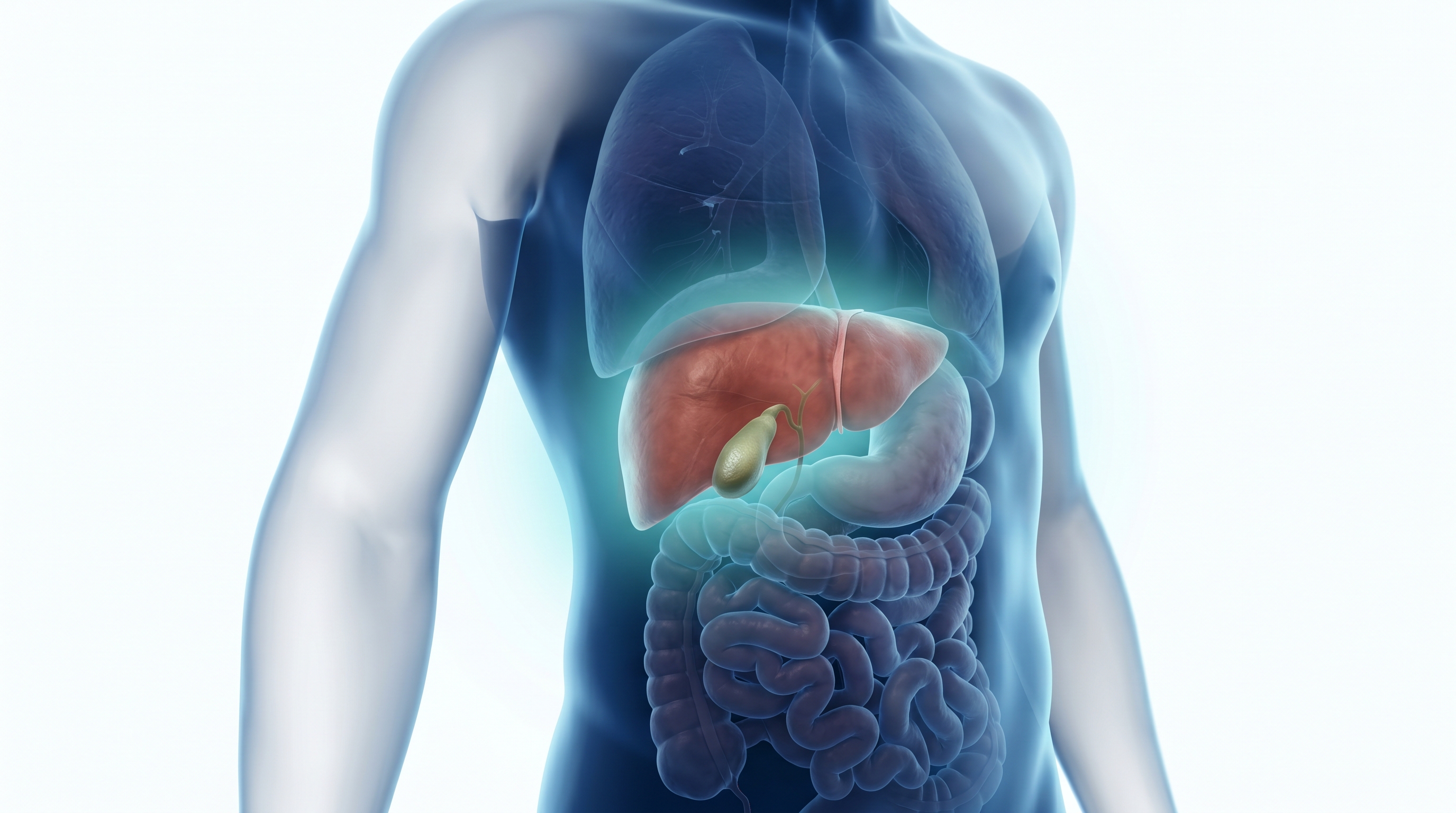
What is the gallbladder and what is its function?
The gallbladder is a pear-shaped organ, approximately 7-10 cm long, located on the lower surface of the right lobe of the liver . Its main function is to store and concentrate bile produced by the liver - a standard gallbladder can hold 30-50 ml of bile at a time. Bile itself is a complex biological fluid that contains bile acids, cholesterol, bilirubin, phospholipids and water; it is their imbalance (especially excess cholesterol) that is the main mechanism for the formation of stones.
When we eat fatty foods, the cells of the duodenum secrete the hormone cholecystokinin , which contracts the gallbladder and releases concentrated bile into the small intestine. Bile helps emulsify fats - breaks them into small particles so that enzymes (especially pancreatic lipase) can better break them down. However, the gallbladder is not a vital organ: after its removal, the liver continues to synthesize bile and it is delivered directly to the intestine - the storage function is slightly lost, although the quality of life does not change. 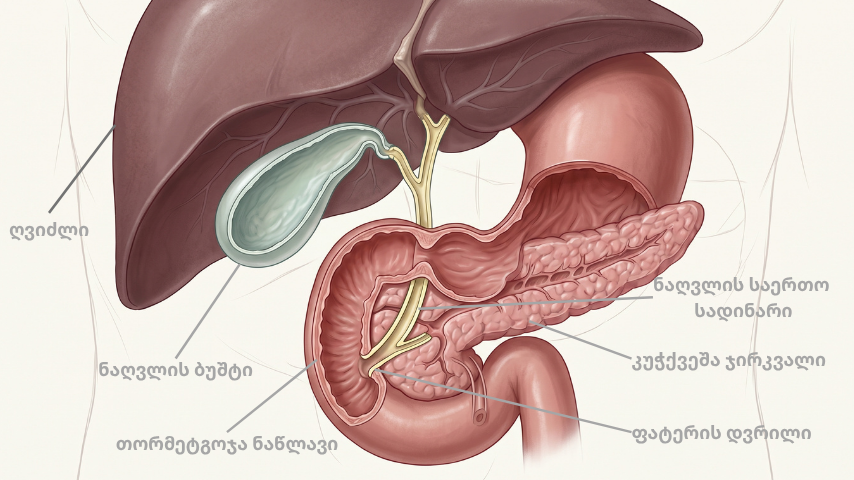
When is gallbladder removal necessary?
Gallbladder surgery is most often performed for symptomatic cholelithiasis (gallstones) or acute cholecystitis (inflammation of the gallbladder).Among the risk factors, the so-called "4F" rule is important:
- Female ( female gender );
- Forty (age 40+ );
- Fertile ( reproductive) Age Or Pregnancies Anamnesis );
- Fat ( excess) Or Fast Weight decrease ).
Typical symptoms of gallstones are:
- Severe, stabbing pain in the right lower abdomen, often radiating to the right shoulder or waist;
- Nausea, vomiting, especially after eating fatty foods;
- Abdominal bloating and dyspeptic phenomena;
- The attack (biliary colic) often begins at night, lasts from 30 minutes to several hours, and often peaks 1-2 hours after a meal.
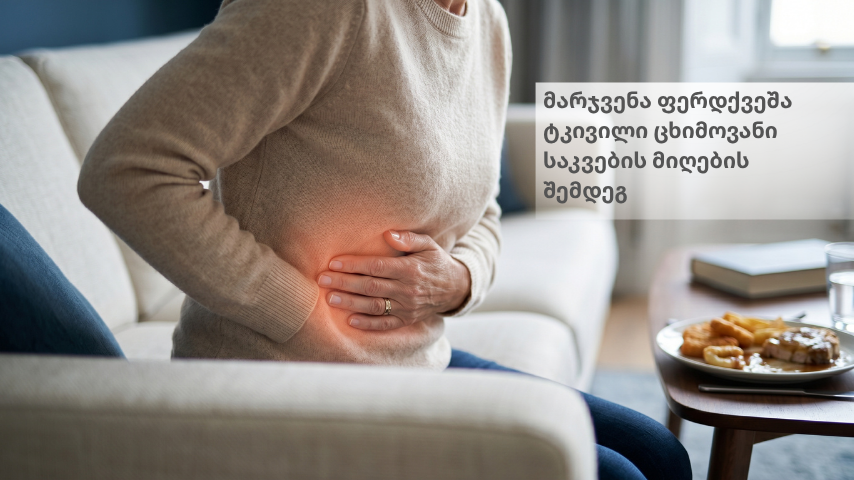
In severe cases, fever and yellowing of the skin and whites of the eyes (icterus) develop, indicating bile duct obstruction and requiring emergency treatment - possible complications include cholangitis (purulent inflammation of the bile ducts) and acute pancreatitis.
The diagnosis is confirmed by ultrasound (echo-scopy), which reveals the presence of stones in the gallbladder with high accuracy. Additional studies include MRCP (magnetic resonance cholangiopancreatography) - especially when bile duct stones are suspected - and, if necessary, computed tomography.
Critical laboratory parameters include bilirubin , liver enzymes (ALT, AST) , and alkaline phosphatase (ALP) . Traditional medicine and herbal treatment cannot replace surgical treatment - it may only bring temporary relief in mild cases.
Laparoscopic cholecystectomy - what is it and how is it performed?
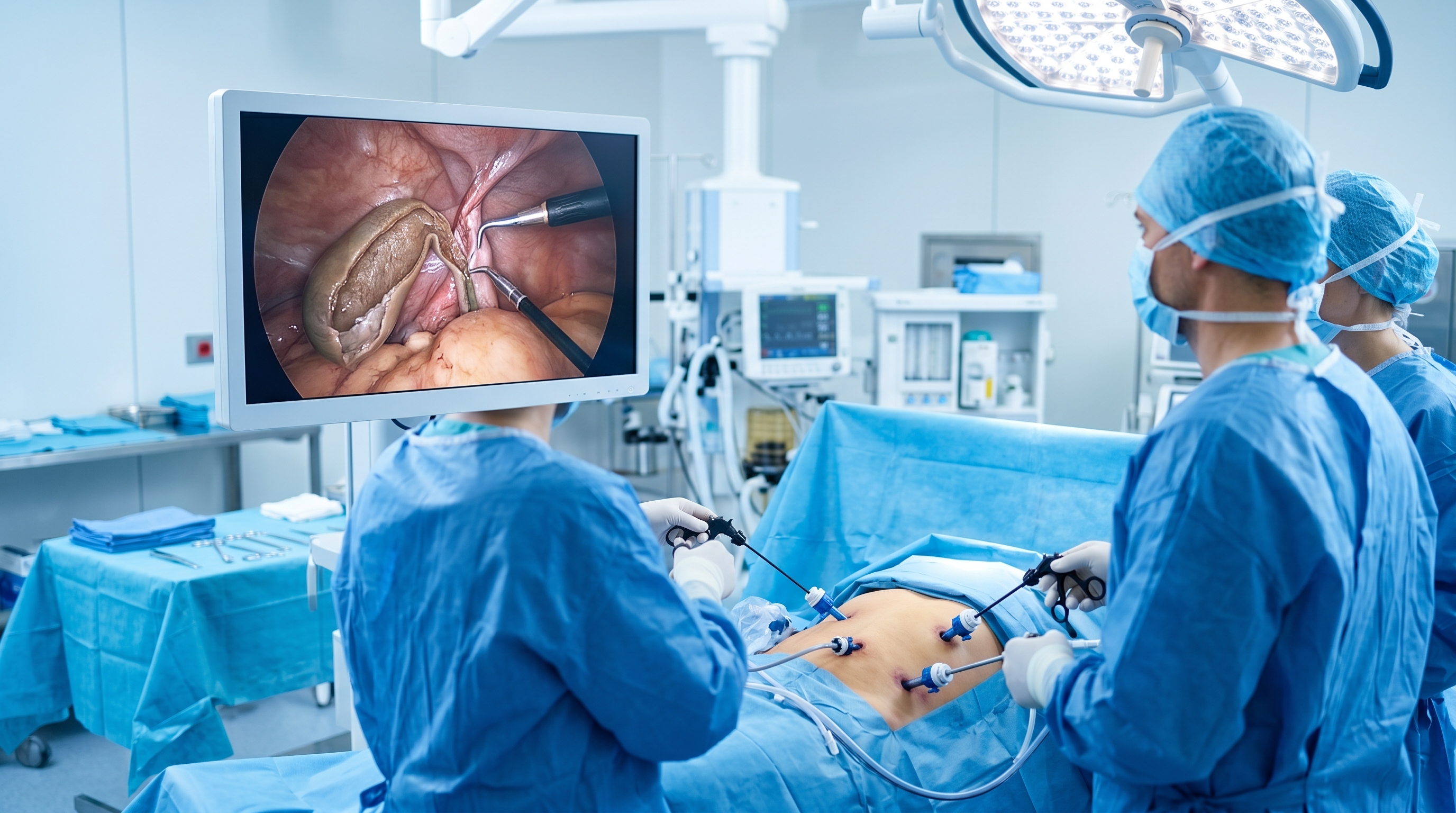
Laparoscopic cholecystectomy is a minimally invasive surgical method for removing the gallbladder, which has been recognized as the world standard for the past 30 years. Unlike open surgery, the laparoscopic method requires only 3-4 small incisions in the anterior abdominal wall, approximately 0.5 to 1 cm in size. The operation is performed under general anesthesia and lasts 40-90 minutes.
Before surgery, the patient undergoes standard preoperative examinations:- Blood Common And Biochemical Analysis;
- Coagulogram;
- ECG;
- Of necessity In case Chest X-ray And Anesthesiologist Consultation .
The procedure involves the following steps: First, the surgeon injects carbon dioxide gas into the abdominal cavity to create a working space for visualizing the organs. Then, a laparoscope—a high-definition camera with a viewing lens that transmits images to a monitor—is inserted into one of the incisions. Miniature surgical instruments are inserted into other incisions to carefully separate the gallbladder from the surrounding tissue. The gallbladder duct and artery (the blood vessel leading to the gallbladder) are clipped with special metal clips, and the gallbladder is then removed through one of the incisions.
The advantages of the laparoscopic method are less postoperative pain , less blood loss, a shorter hospital stay (often 24 hours or same-day discharge), minimal cosmetic scarring, and a faster return to daily activities. In difficult cases - in cases of severe inflammation or anatomical abnormalities - the surgeon may decide to switch to open surgery, which is a step taken in the interest of patient safety, not complication.
When a stone is in the bile duct - the role of ERCP
In approximately 10-15% of cases, gallstones migrate from the gallbladder into the common bile duct (ductus choledochus), which poses serious risks - complete obstruction of the duct, mechanical jaundice, and acute pancreatitis. In such cases, laparoscopic surgery alone is insufficient; endoscopic intervention is required.
ERCP - Endoscopic retrograde cholangiopancreatography - is a specialized procedure that simultaneously performs a diagnostic and therapeutic function. During the procedure, a gastroenterologist-endoscopist uses an endoscope to enter the duodenum from the mouth, through the esophagus and stomach to the pharynx of Vater, where the bile duct joins the intestine. Then, by injecting a contrast agent, the entire biliary tract is visualized. If the presence of a stone is confirmed, the doctor performs endoscopic papillosphincterotomy - a small incision in the pharynx of Vater and the transfer of the stone into the intestine using special meshes or balloons, from where it is excreted naturally. In difficult cases , ERCP and laparoscopic cholecystectomy are performed as a combined therapy: first, the duct stone is removed endoscopically, and then the gallbladder is removed during the same or subsequent hospitalization.
Postoperative period: diet and rehabilitation
Rehabilitation after laparoscopic surgery is surprisingly fast - most patients return to their usual regimen in 1-2 weeks , and to physical activities in 4-6 weeks . Proper nutrition is critical for the success of the postoperative period. For the first 2-3 days , light liquid and semi-liquid foods are recommended - vegetable broths, boiled soft rice, vegetable purees . Then solid foods are gradually introduced, however, fatty, fried, spicy and alcoholic foods inhibit the digestive system during the first month and should be avoided.
The liver continues to produce bile after surgery , but its constant supply to the intestine - without a storage reservoir (bladder) - means that digestion of large fatty meals will be temporarily difficult. Therefore, it is recommended to eat small portions, 5-6 times a day. An emphasis on fibrous foods (vegetables, fruits, whole grains) will help normalize digestion.
A small number of patients, approximately 10-15%, may experience temporary diarrhea after eating fatty foods, which is a normal part of the body's adaptation period and disappears over time. It is best to start physical activity with walking: from the first week - 20-30 minutes a day, gradually increasing . Intensive training and heavy physical exertion should be postponed for at least 4-6 weeks .
Possible complications of surgery - bleeding, infection, bile leakage, postcholecystectomy syndrome - occur in 1-2% of cases overall and are well controlled with timely medical attention.
When should you seek advice?
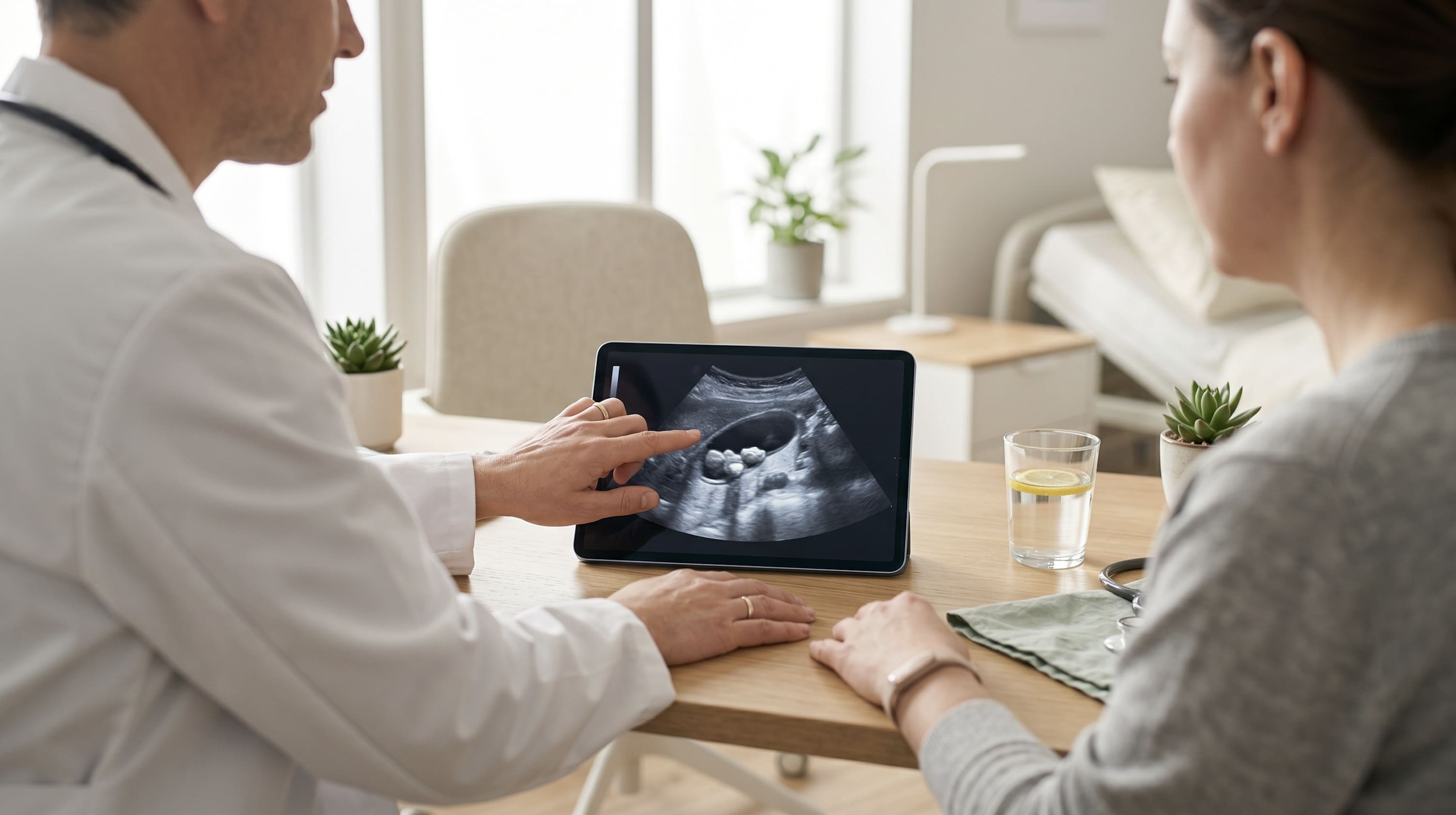
If you regularly experience pain in the upper right abdomen, especially after eating fatty foods, or if an ultrasound has revealed gallstones, you should consult a general surgeon or gastroenterologist without delay. Timely planned laparoscopic intervention is less difficult than emergency surgery, which is necessary due to complications - in emergency cases, open surgery, prolonged hospitalization, and more difficult rehabilitation are often required.
When coming for a consultation, it is advisable to prepare your ultrasound report, recent test results, and current medication list in advance. Be sure to ask your doctor questions about the timing of the surgery, risks, alternative options, and financing mechanisms.
In Georgia, laparoscopic gallbladder surgery is funded in most clinics within the framework of the universal healthcare program, which significantly reduces the financial barrier.
Modern laparoscopic medicine allows us to solve this problem with minimal discomfort.
Frequently Asked Questions (FAQ)
Gallbladder surgery price in Tbilisi - how much does it cost? The cost of laparoscopic cholecystectomy in Georgia varies depending on the clinic and the doctor's experience; in most clinics, the operation is fully or partially funded by the universal healthcare program.
How soon will the patient be discharged? In the case of the laparoscopic method, the patient is usually discharged within 24 hours of the operation, often on the same day.
Can the gallbladder be cleared without surgery? Symptomatic gallstones rarely resolve without surgery; folk remedies are no substitute for surgical treatment. Individual small cholesterol stones may be treated with ursodeoxycholic acid, although the effect is limited.Frequently Asked Questions