Helicobacter pylori - what to know, when to get tested, and how eradication is monitored
Learn everything about Helicobacter pylori - what it is, how it spreads, what symptoms it causes, diagnostic methods, and prevention methods.
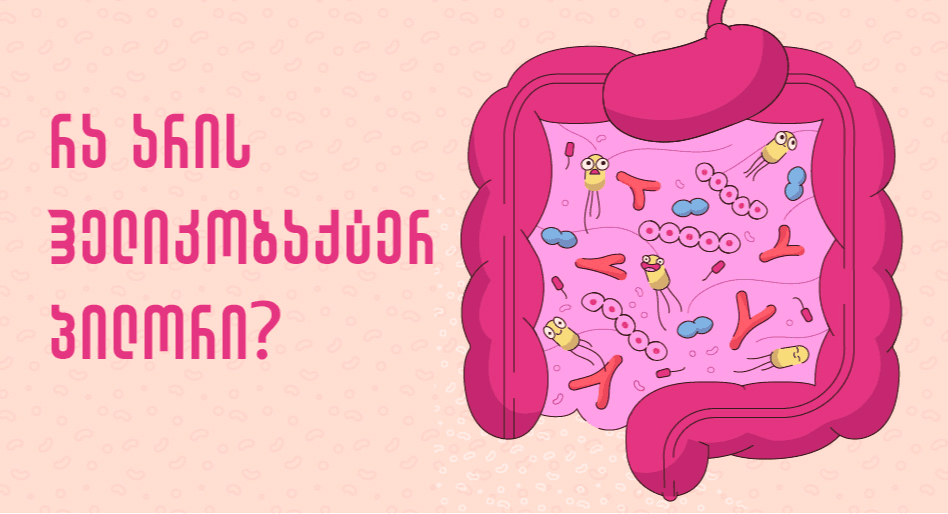
Helicobacter pylori (H. pylori) is Spiral Shape Gram-negative A bacterium that Stomach In the mucosa Inhabits And Chronic Gastritis causes long Infection Associated Peptic With ulcers , stomach With adenocarcinoma and MALT lymphoma .
What is Helicobacter pylori and why is it dangerous?
Helicobacter pylori is Spiral Shape Gram-negative Bacteria , which Adapted Stomach Sour In the environment To live in . He Generates Enzyme Urease , which Urea Ammonia Transforms . This Ammonia Neutralizes Stomach Acid Bacteria Direct In the vicinity , which To him In survival It helps . H. pylori Long Existence In the stomach causes Mucous Shell Inflammation And Progressively damage , which As a basis It is given Serious Diseases Development .
How much Is Helicobacter pylori infection common ?
Helicobacter pylori infection World Population Almost 50 % More It is noted that To him One by one Most widespread Bacterial Infection Turns into a developing In countries Spread Indicator as Rule , more is higher than Developed In countries that Tightly is Related Hygiene With standards And Socio - economic With conditions .
How is Helicobacter pylori spread?
Helicobacter pylori infection The transfer is happening . Oral - oral Or Fecal - oral In the way . In the program Meaning has Hygienic conditions , water And Food Safety And Tight Household Contact .
Infection Transmission Basic There are ways :
- From the mouth Person By way of ( oral - oral ): This is Infection Transmission Most Common The road , especially Family Members Between , for example , saliva Exchange , one And Of the same Dishes Or Personal Hygiene of things When using .
- Fecal - oral By way of : Contaminated With food Or with water , which Contains Bacteria . This Often It happens Hygiene Insufficient Standards Under the conditions .
When should we suspect infection?
Helicobacter pylori infection Doubt I must Let's bring it if You are welcome. Gastrointestinal Tract Characteristic Symptoms Or Do you have Certain Risk factors . Important It should be noted that Bacteria Often Asymptomatic , but His/Her Existence Anyway causes Mucous Shell Damage .
Apply To the doctor , if Do you have Any Down Listed Symptom Or Condition :
- Pain , burning Or Discomfort Stomach In the area : Especially Empty On the stomach Or Eating Then .
- Stomach Or Duodenum Intestinal Ulcer History : H. pylori ulcer Disease Home Etiological It is a factor .
- Stomach Tumor Family History : Genetic Predisposition Growth Oncological Risk of H. pylori In the background .
- Unknown Iron deficiency Anemia : H. pylori can cause ulcers to form and then cause bleeding from the ulcer.
- Long-term Non-steroidal Inflammation Opposite Use of medications ( NSAIDs ) : This Medication Background of H. pylori Existence significantly Growth Ulcers Development Risk .
- Gastroscopy At the time Discovered Chronic Gastritis , erosions Or Ulcer : This is Direct Reference Bacteria existence On the possibility .
- Nausea , vomiting , bloating , loss of appetite Loss : This Symptoms Also Maybe To indicate Gastrointestinal about the problems , they Among H. pylori infection .
What diseases does Helicobacter pylori cause?
Helicobacter Pylor is Many Gastrointestinal Disease Inciting Or Facilitator factor , they Between Chronic Inflammatory And Oncological Pathologies .
Bacteria by Caused Basic Diseases are :
- Chronic Gastritis : Stomach Mucous Shell Long Inflammation , which Maybe to be Asymptomatic Or To cause Dyspeptic Symptoms ( discomfort , pain ).
- Erosive And Ulcerative Processes Stomach And Duodenum In the intestine : H. pylori is destroyed Mucous membrane Protect me The barrier , which Acid Aggressive Action Allow gives And Ulcers To produce It helps Hand .
- Stomach Cancer ( adenocarcinoma ): Helicobacter pylori is recognized as Stomach Adenocarcinoma Development One of them Home Trigger and group I Carcinogen . Long-term Infection causes Mucous membrane Atrophy And Metaplasia , which Precancerous There are situations .
- Stomach Lymphoma (MALT lymphoma ): H. pylori also Related Stomach With the mucosa Associated Lymphoid Fabric With the development of lymphoma (MALT lymphoma ) .
How should Helicobacter pylori testing be performed?
Diagnostics Basic The methods are :
- Fecal Antigen Test : Non-invasive The method that H. pylori in stool Antigens Reveals . Used As Infection To confirm , so Treatment Efficiency To assess ( eradication) control ).
- Respiratory Urease Test : Non-invasive The test that Measures Carbon dioxide Quantity Exhaled H. pylori in the air Urease Activity Then the patient Drinks Special The solution , which Contains Marked Urea .
- Esophagogastroduodenoscopy ( gastroscopy ) with biopsy : Invasive The method by which Even when Endoscope by means of It happens Stomach Mucous Shell Visual Browse And Biopsy Sample To take . Taken Sample Subsequently Research :
-
- Histologically : With a microscope Bacteria Direct Discovery .
- Fast Urease With a test Biopsy In the material Urease Activity To determine .
Important Notes When diagnosing :
- Serology (IgG) No Used Treatment Further Eradication To control , because Antibodies In the blood Maybe Long time to remain Bacteria Elimination After that Yes . He Only Infection In the past On existence Indicates .
- Testing I must To be held Protonic Pump Inhibitors (PPI) From the termination At least 2 weeks Then And Antibiotics From the termination At least 4 weeks Then , in order to At first Let's avoid False - negative Results .
How to prevent Helicobacter pylori infection?
Helicobacter pylori Infection At first Avoidance Possible Hygiene Basic Rules With protection And Certain Preventive Dimensions By acceptance .
Prevention Basic There are ways :
- Personal Hygiene : Eating Forward And Then It is necessary Hands With soap And With water Thorough Wash .
- Food And Water Security : Avoid. Suspicious Water To drink And Enjoy. Only Well Washed Or Thermally Processed Food .
- Personal Dishes Usage : Especially Family Members between , if One by one It was determined Infection , in order to To decrease Transmission Risk .
- Timely Medical Consultation : If Do you have Risk factors Or Permanent Symptoms , don't You will postpone. To the doctor Visit And Of necessity In case of gastroscopy To be held .
Treatment and basic post-treatment recommendations
Helicobacter pylori infection Treatment It is complex. And Requires Doctor's Instructions Exactly Protection .
It is important. Let us remember Next Recommendations :
- Treatment Complete Course : Antibiotics Course prematurely Termination causes Bacteria Resistance development And Treatment Failure . Always. Bring it. Treatment Until the end .
- Eradication Control : Treatment 4-6 weeks after completion Then It is necessary Repeated Testing ( breathing) Or Fecal Antigen test ) to Make sure Bacteria complete Elimination of symptoms Disappearance No means that Bacteria In full It was destroyed .
- Resistance Prevention : Arbitrarily Or Incompletely Conducted Therapy causes Bacteria Antibiotics Towards Resistance development , which Makes it difficult Further Treatment And Maybe Necessary To become More Strong , long-lasting And Expensive Antibiotics Use .
Conclusion : Helicobacter pylori serious It is a bacterium that Can Important Damage to inflict Gastrointestinal System . Timely Diagnosis , correct Treatment And Preventive Dimensions Protection It is crucial. Yours For health . Don't Ignore Symptoms And Always Apply Specialist Qualified For help .
Author : Natia Razmadze - gastroenterologist .
Frequently Asked Questions