Glycemic Index (GI) in Diabetes: A Complete Guide to Blood Sugar Control
iscover low-GI fruits and vegetables for healthy nutrition. Advice from an endocrinologist.
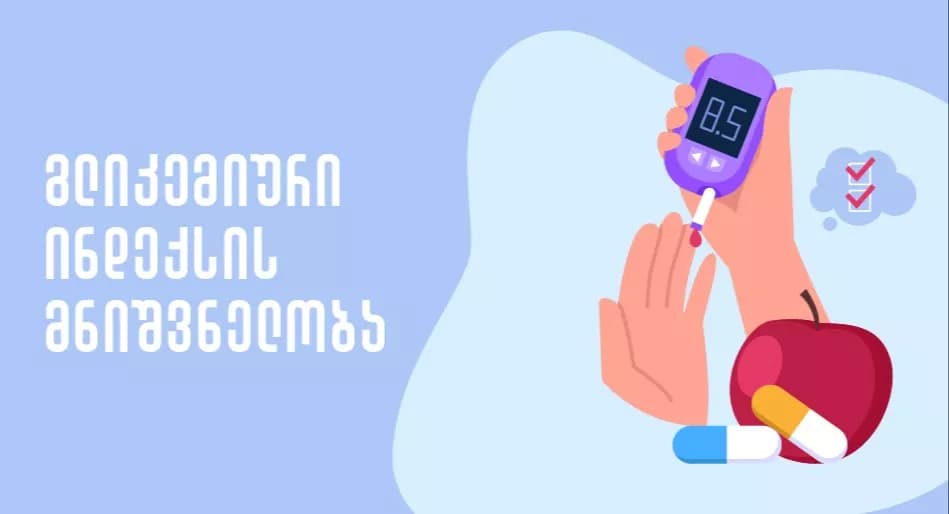
Diabetes is becoming increasingly common, and many of us are interested - which foods are “friends” when controlling blood sugar? The answer is simple: foods that have a low Glycemic Index (GI). This indicator shows how quickly a particular food raises the level of glucose in our blood. The lower the GI, the more slowly and steadily energy enters the bloodstream, which is especially important in diabetes.
What is the Glycemic Index (GI)?
The Glycemic Index (GI) is a numerical indicator (from 0 to 100) that shows how quickly a food product affects the increase of blood glucose (sugar) levels. It represents an important tool for people with diabetes to better manage glucose levels and avoid sharp spikes in blood sugar.
Understanding GI helps us make правильные dietary choices, which supports energy stability, appetite control, and reduction of chronic disease risk.
Why is GI important in diabetes?
GI is important in diabetes because it helps maintain stable blood sugar levels, which is crucial for effective disease management. Foods with a high GI break down quickly and release glucose into the bloodstream all at once, causing a sharp increase in sugar levels. Foods with a low GI release glucose slowly and gradually, preventing sudden spikes in sugar levels and excessive insulin secretion.
Glycemic Index Categories:
-
High GI (70 and above): rapidly raises blood sugar.
-
Examples: white bread, sugar, mashed potatoes, white rice.
-
-
Medium GI (56–69): moderate effect on blood sugar.
-
Examples: instant oatmeal, brown rice, banana.
-
-
Low GI (55 and below): slowly raises glucose, beneficial for diabetes.
-
Examples: apple, buckwheat, legumes, most vegetables.
-
What factors affect the glycemic index of food?
It is important to understand that a food’s GI may change due to various factors:
- Degree of processing: the more processed the product (e.g., white flour vs whole grain), the higher its GI.
- Cooking method: prolonged heat treatment (e.g., mashed potatoes vs boiled potatoes) increases GI.
- Fiber content: fiber slows carbohydrate absorption and reduces GI.
- Fat and protein content: fats and proteins slow gastric emptying and carbohydrate absorption, lowering overall GI.
- Ripeness: ripe fruits generally have a higher GI than unripe ones (e.g., ripe banana).
- Food combination: combining low-GI foods with high-GI foods may reduce the overall glycemic effect of the meal.
Recommended Diet for Diabetes - Practical Tips
In diabetes, preference should be given to low or medium GI products.
1. Fruits and Vegetables - Nature’s True Miracle
Fruits and vegetables mostly have low or medium GI. They are rich in fiber, vitamins, and antioxidants. They not only help control sugar but also:
- Strengthen the immune system;
- Improve intestinal function;
- Reduce the risk of cardiovascular diseases.
Important: In diabetes, prefer whole fruits and vegetables - raw or lightly cooked. Avoid juices and sweet smoothies, as without fiber they raise glucose quickly.
2. Glycemic Load (GL) - A More Complete Picture
In addition to GI, glycemic load (GL) is important. GL considers not only GI but also quantity (carbohydrate content). For example, watermelon has a high GI, but if consumed in a small portion, its glycemic load will be low. This means moderation and portion control are decisive.
3. Other Practical Tips:
Choose whole grains: instead of white bread, rice, and pasta, prefer whole grains (brown rice, buckwheat, quinoa, whole wheat bread).
Do not overcook: cook vegetables briefly until crisp. Overcooked food increases GI.
Combine with proteins and healthy fats: combining carbohydrate foods with proteins (chicken, fish, legumes) and healthy fats (avocado, nuts) slows glucose absorption.
Seasonal Low-GI Fruits and Vegetables
Below are 15 popular seasonal fruits and 10 vegetables with approximate portions (~120g–150g) and GI values:
Seasonal Fruits (~120g)
- Apple - GI ≈ 36; 120g (~1 medium apple)
- Pear - GI ≈ 38; 120g (~1 medium)
- Blueberries - GI ≈ 40; ~120g
- Currants - GI ≈ 25-30; ~120g
- Grapefruit - GI ≈ 25; 120g (~½ grapefruit)
- Orange - GI ≈ 40-43; 120g (~1 medium)
- Strawberries - GI ≈ 22; 120g
- Banana - GI ≈ 51; 120g (~1 medium)
- Mango (relatively seasonal) - GI ≈ 51; 120g (~½-⅔ medium)
- Grapes - GI ≈ 66; 120g (~1 cup) - medium GI, consume moderately
- Melon - GI ≈ 65; 120g (~1 cup) - medium GI, consume moderately
- Watermelon - GI ≈ 68; 150g (1 large slice) - medium GI, consume moderately
Vegetables (~80–150g)
Bell pepper - GI ≈ 5-15; ~80g
Spinach - GI ≈ 0-15; ~80g
Kale - GI ≈ 0-15; ~80g
Broccoli - GI ≈ 10; ~80g
Cabbage - GI ≈ 10; ~80g
Zucchini - GI very low (<20); ~80g
Tomato - GI ≈ 15; ~80g
Carrot - GI ≈ 35; ~80g
Beetroot - GI ≈ 40; ~80g
Sweet potato (batata) - GI ≈ 70; ~150g - high GI, consume moderately
A healthy, colorful, low-GI plate is a step toward stable energy, a healthy heart, and good mood. Remember that individual responses to food may vary, so always consult your doctor or endocrinologist for personalized advice.
Frequently Asked Questions