Purulent surgery - causes, symptoms, diagnosis and modern methods of treatment
Purulent Surgery - Causes, Symptoms and Treatment - Bochorishvili Clinic

What is purulent surgery?
Purulent surgery is a branch of medicine that involves the diagnosis and treatment of purulent and inflammatory diseases. It studies the causes of infection, the mechanisms of disease development, and provides effective management using modern surgical methods.
It is unacceptable to ignore purulent processes, as the problem may initially be limited to a small subcutaneous abscess, but without timely intervention, there is a risk of its progression and the development of a life-threatening generalized infection - sepsis. This is why it is important to consult a doctor in a timely manner.
Early diagnosis and treatment significantly reduces the risk of spreading the infection and developing serious complications.
Causes and mechanism of development
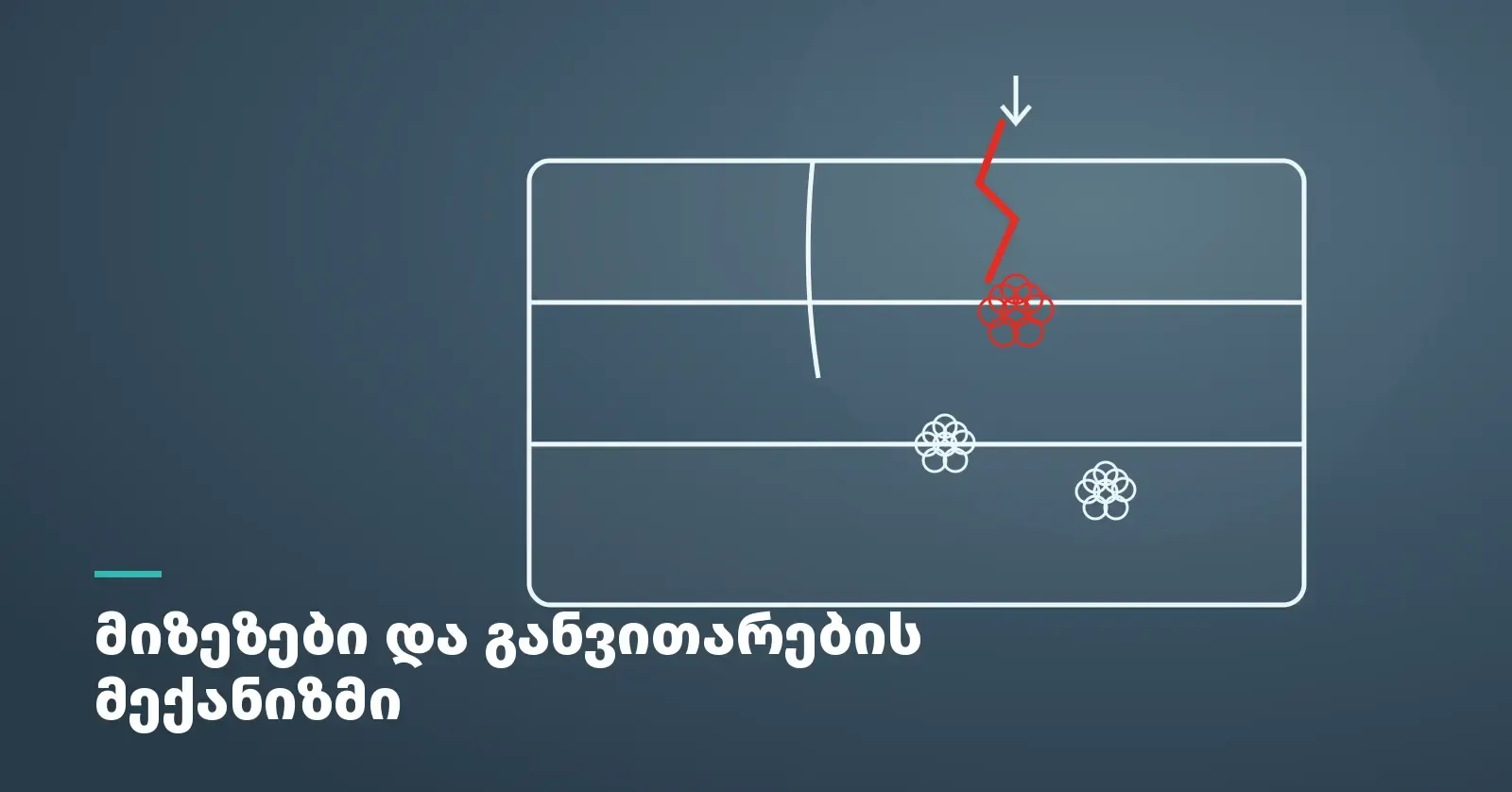
The development of a purulent process is based on the invasion of a microorganism into the tissue and the body's inflammatory response to this invasion.
The most common cause of infection is:
- Staphylococcus aureus ;
- Streptococcus - gram-negative bacteria of the intestinal group;
- Anaerobic flora - especially in deep, oxygen-depleted tissues.
Infection enters the body in several ways:
- Direct inoculation - wound, scratch, injection site, surgical intervention;
- Contact spread - Infection spreads from one tissue directly to neighboring tissues;
- Hematogenous and lymphogenous route - when the infection is transferred to another organ through the blood or lymphatic system.
Risk factors have a significant impact on the speed and severity of the disease. The main risk factors include:
- Diabetes mellitus (especially diabetic foot syndrome);
- Immunosuppression (cancer treatment, HIV, steroid therapy);
- Chronic venous insufficiency and circulatory disorders;
- Obesity;
- Old age;
- Improper personal hygiene;
- The presence of a foreign body (prosthesis, implant) in the body.
Classification of purulent-inflammatory diseases
These diseases are conditionally divided into two large groups - local (limited) and generalized (widespread) forms. 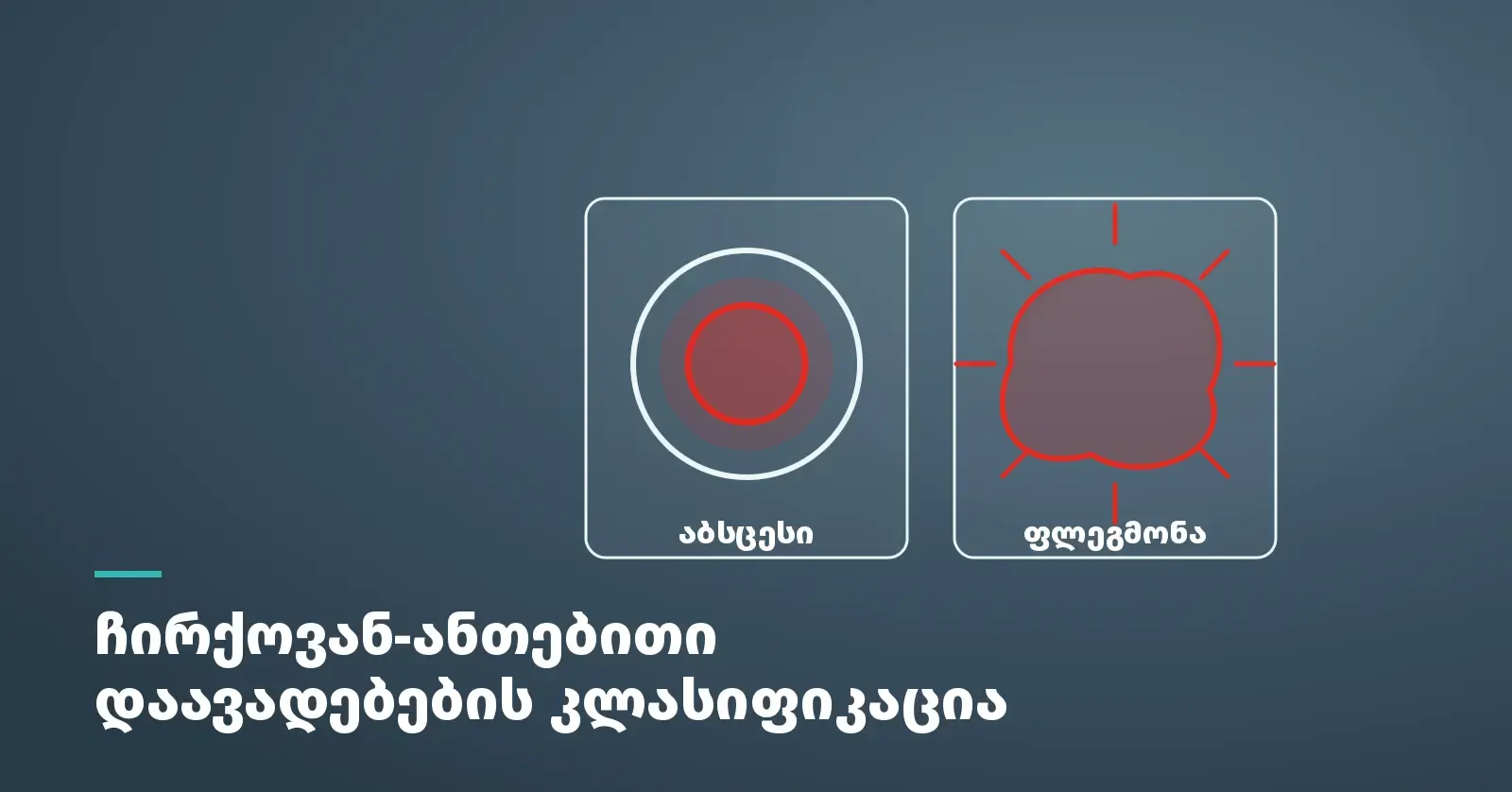
Local forms:
- Abscess - a collection of pus enclosed by a capsule;
- Furuncle - acute purulent inflammation of the hair follicle and the sebaceous gland around it;
- Carbuncle - inflammation resulting from the fusion of several neighboring hair follicles;
- Phlegmon - open, unbounded purulent inflammation that spreads freely through the tissues;
- Panaritium - localized purulent inflammation of the tissues of the finger;
- Mastitis - an inflammatory process that develops in the tissues of the mammary gland;
- Lymphadenitis - purulent inflammation of the lymph nodes.
Generalized forms:
- Sepsis - a systemic inflammatory response that develops against the background of infection, leading to organ dysfunction;
- Peritonitis - inflammation of the inner lining of the abdominal wall ;
- Osteomyelitis - purulent inflammation of bone tissue.
How to recognize a purulent infection?

Local purulent processes are characterized by five classic signs of inflammation:
- Redness;
- swelling;
- Increased temperature in the area of the inflammatory focus;
- Pain;
- Impaired function of the damaged area.
An abscess is characterized by fluctuation (a feeling of shaking), which upon examination indicates the presence of a pus-filled cavity.
Furuncles and carbuncles are characterized by a sharply demarcated, painful, often pulsating infiltrate, in the center of which a purulent-necrotic core (“purulent stem”) develops.
In phlegmon , the boundaries of the inflammatory process are not sharply defined, the swelling progresses rapidly and is often accompanied by signs of general intoxication.
The clinical picture of generalized forms is significantly different from local ones - not the symptoms of one area, but the reaction of the whole organism dominates:
- High fever with chills;
- Tachycardia;
- Drop in blood pressure;
- Blurred mind;
- Increased breathing.
These signs signal urgent medical intervention, and self-medication is especially dangerous at this stage.
Modern diagnostic methods

Diagnosis of purulent-inflammatory diseases begins with a physical examination, during which redness, swelling, fluctuation, and pain intensity are assessed. In addition to physical assessment, the following are also used:
- Laboratory tests - complete blood count (leukocytosis), C-reactive protein (CRP), procalcitonin (especially if sepsis is suspected);
- Bacteriological examination - bacteriological examination of a pus or wound swab to identify the causative agent and determine antibiotic sensitivity.
- Imaging methods - ultrasound (to detect deep abscesses), computed tomography and magnetic resonance imaging - to assess processes in the abdominal cavity.
These diagnostic methods are used to assess purulent processes of any localization. The only difference is which method is given priority in a particular clinical case.
General principles of treatment
Clinical treatment of purulent pathologies relies on drainage (expulsion) of pus and removal of necrotic tissues, which is necessary for the effectiveness of antibiotic therapy so that the drug can freely penetrate the focus of infection. 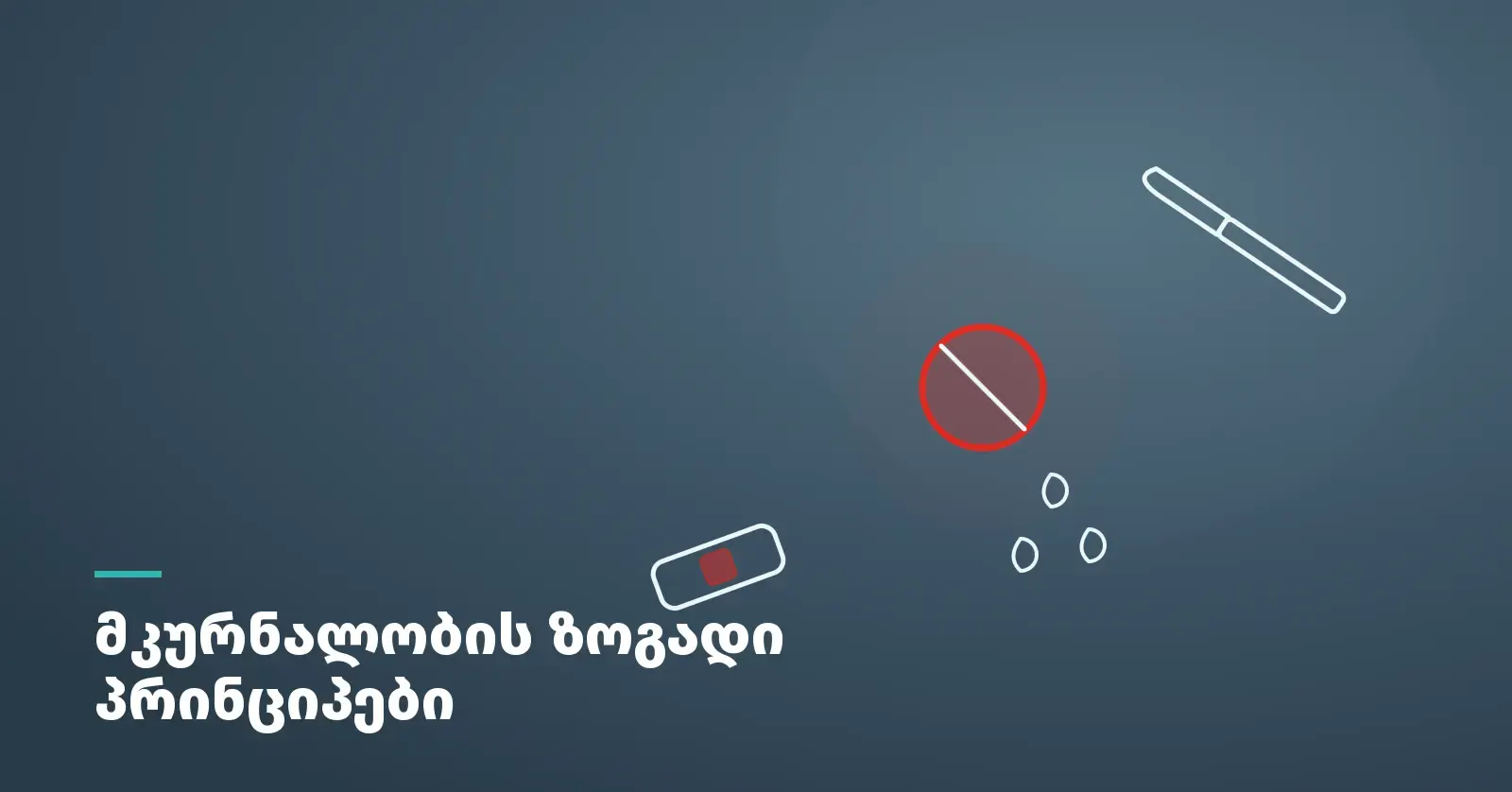
Typically, the treatment process is divided into the following stages:
- Surgical intervention - Opening and drainage, or necrectomy - excision of damaged tissue.
- Wound management - regular dressings and, if necessary, vacuum therapy (VAC), which accelerates the granulation process and reduces the risk of infection.
- Antibacterial therapy - prescribed according to the results of bacteriological research.
- Supportive therapy - infusion therapy to combat intoxication, pain relief, and control of concomitant diseases (e.g. diabetes).
- Reconstructive stage - if necessary, skin grafting or other reconstructive interventions to heal the wound.
Possible complications
In case of delayed or inadequate treatment of diseases, the local process can progress and lead to a severe, life-threatening condition. The most serious complications are:
- Sepsis and septic shock;
- Tissue gangrene;
- Development of chronic wound fistula;
- Spread of infection to the bone (osteomyelitis) or joint;
- Recurrent infectious episodes.
It is precisely because of these risks that it is unacceptable to ignore a purulent process or attempt to manage it through self-treatment (heating, compresses).
Prevention

Preventive measures play a crucial role in preventing any disease. Prevention of infectious diseases is based on several simple, yet important principles:
- Timely treatment of any skin damage (scratches, wounds) with an antiseptic;
- Maintaining personal hygiene;
- Control of diabetes and other chronic diseases;
- Regular foot examinations in people with diabetes (for the prevention of diabetic foot);
- A timely visit to the doctor as soon as the first signs of inflammation (redness, swelling, increased pain) appear.
Modern and innovative medical approaches
Purulent surgery has developed significantly in recent decades. Traditional opening and drainage is now supplemented by minimally invasive methods - ultrasound -guided puncture and drainage, which are used as an alternative to open surgery, especially in cases of small and deeply localized abscesses.
Vacuum therapy (VAC) has become widely used in wound treatment, significantly accelerating the healing process. Laser methods are also used in the treatment of chronic purulent processes (e.g. pilonidal cysts, proctological fistulas) and biological dressings, which promote tissue regeneration.
Purulent surgery at Bochorishvili Clinic
Academician Vakhtang Bochorishvili Clinic has many years of experience in managing septic pathologies. The surgical department of the clinic successfully performs both planned and emergency surgical interventions.
The department's treatment profile covers a wide range of diseases:
- Skin and subcutaneous soft tissue infections, bedsores;
- Secondary infected wounds after surgery;
- Implant-related and periprosthetic infections;
- Complicated joint pathologies – purulent arthritis;
- Non-healing skin defects and trophic ulcers;
- Purulent-infectious processes caused by diabetes mellitus;
- Surgical management of septic conditions;
- Inflammatory processes of the skeletal system, osteomyelitis;
- Necrosis and gangrene caused by impaired microcirculation;
- Surgical and combined treatment of acute anaerobic infections;
- Reconstructive and plastic surgical interventions following complicated infectious processes, including skin and bone transplantation.
The treatment approach is multidisciplinary - the team of the Purulent Surgery Department works closely with endocrinologists, microbiologists, radiologists, and intensive care specialists, which ensures the development of an individual and complex treatment plan for each patient.
Frequently Asked Questions (FAQ)
What is the difference between an abscess and a phlegmon?
An abscess is surrounded by a capsule, while phlegmon spreads freely through the tissues without boundaries - which is why phlegmon usually progresses more quickly and is characterized by a severe course.
Is it possible to treat an abscess with antibiotics alone, without surgery?
In the case of an established, circumscribed abscess, antibiotic therapy is effective only after drainage of the pus, as otherwise sufficient drug concentration cannot be achieved in the focus of infection.
What symptoms characterize the generalization of a purulent process?
High fever with chills, tachycardia, tachypnea, decreased blood pressure, and altered consciousness indicate the need for urgent medical intervention.
Who is at increased risk of developing purulent infections?
First of all - patients with diabetes, immunosuppression, chronic venous insufficiency, and the elderly.
Conclusion
Purulent surgery is a field of medicine where timely diagnosis and treatment are of crucial importance. Ignoring a small, seemingly insignificant inflammatory process can lead to serious complications.
Modern diagnostic and treatment methods, such as ultrasound and tomography studies, as well as vacuum therapy (VAC), significantly improve treatment outcomes, although the basic principle of treatment remains unchanged: timely drainage of pus and complete removal of non-viable tissue. Timely medical evaluation is an important prerequisite for avoiding complications.
Contact
Frequently Asked Questions