 ქართული
 English
 Русский
Blog
5 Tips from an Endocrinologist: How to Eat for Metabolic Health in the Summer
5 Tips from an Endocrinologist: How to Eat for Metabolic Health in the Summer
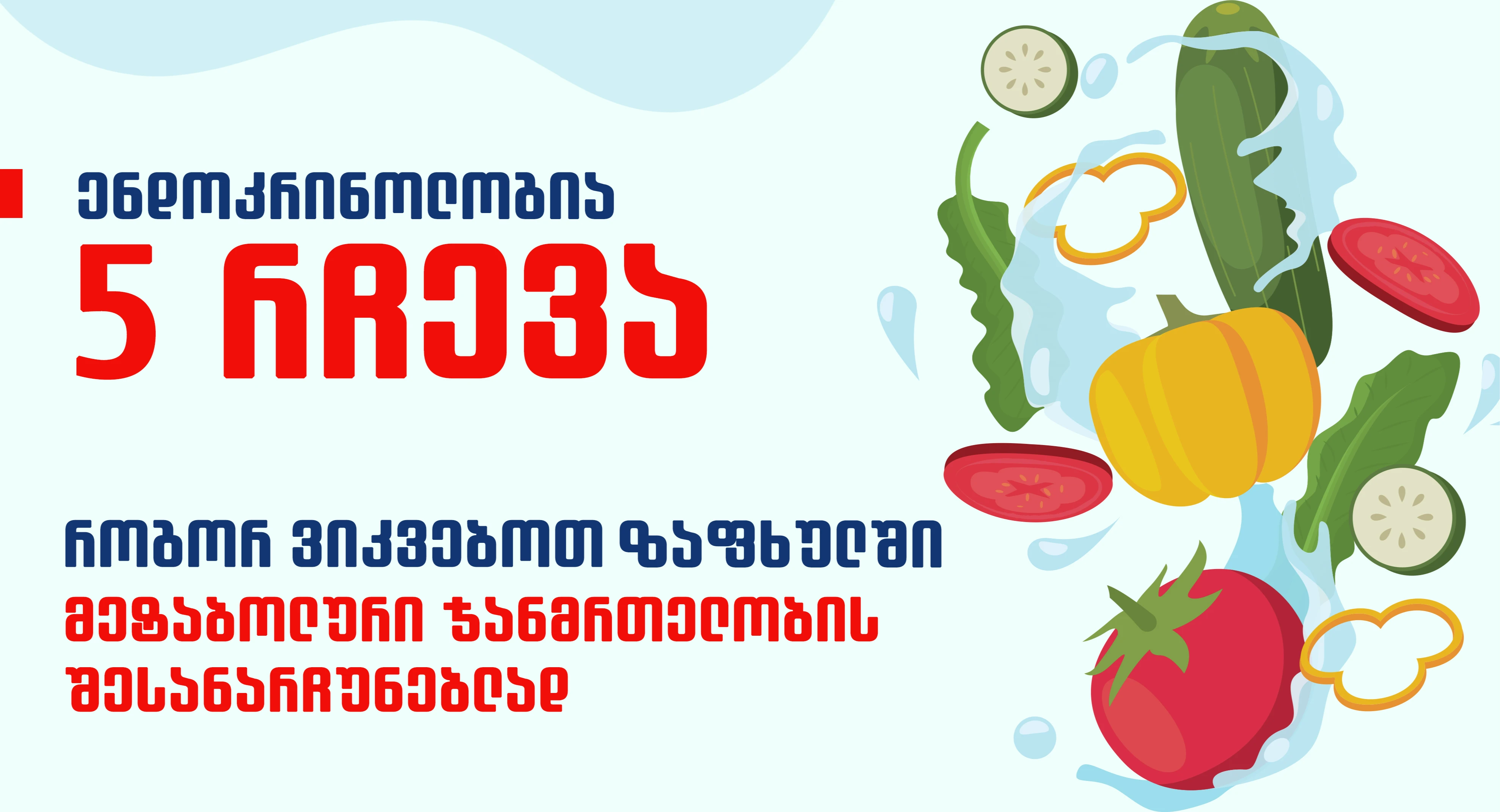
In the summer, prolonged daylight hours, high temperatures, and changes in eating habits have a significant impact on hormonal balance and metabolism. Proper nutrition during the summer helps maintain metabolic health, energy, and hormonal balance.
I'm sharing 5 recommendations from an endocrinologist that are based on modern scientific evidence and will help you maintain metabolic health during the summer season.
1. Drink more water and avoid “hidden sugars”
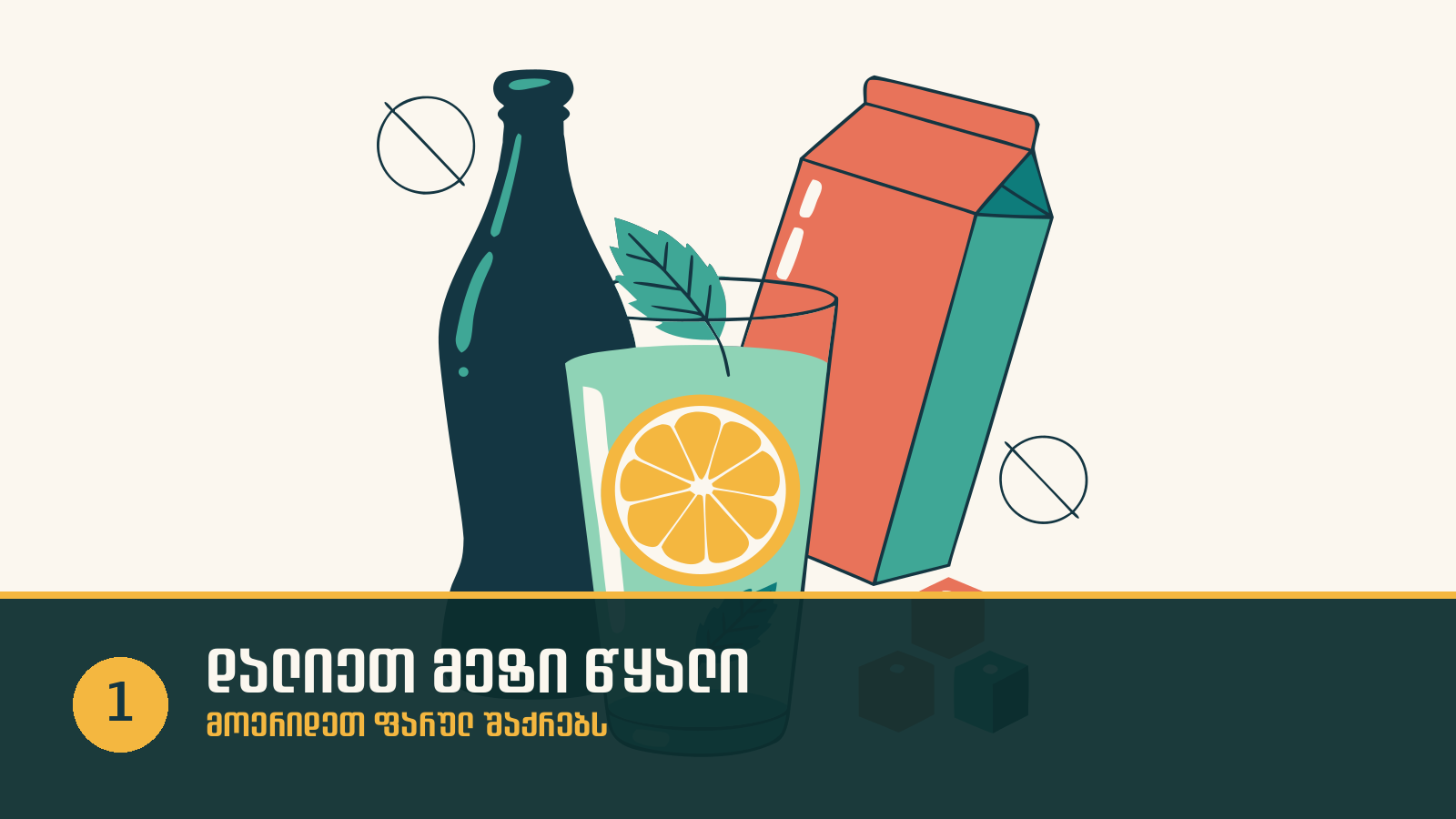
In the summer, fluid deficiency stimulates the release of cortisol (the stress hormone) and vasopressin, which contribute to increased blood glucose levels and fat accumulation.
Special attention should be paid to the drinks that we often choose in the summer. Sweet carbonated drinks, energy drinks and packaged juices contain a large amount of simple sugars, which cause a sharp increase in insulin. Fructose taken in liquid form is quickly processed in the liver and increases the risk of steatosis (fatty dystrophy).
In the summer, opt for plain water. You can add lemon or mint if you like, but avoid added sugar.
2. Get the right seasonal fruits
Summer is the season for a variety of fruits, but that doesn't mean you can eat them without restriction. Excessive fructose intake contributes to the formation of triglycerides (fats) and may even contribute to the development of insulin resistance.
This doesn't mean you should give up fruit. However, it's important to choose the right ones and control the quantity.
Give preference to berries with a low glycemic index (strawberries, blueberries, and blackberries);
It's best to eat fruit with protein or healthy fats, such as almonds, walnuts, or pumpkin seeds, rather than on its own. This helps to keep your blood sugar levels steady and keep you feeling full longer.
3. Avoid late dinners.
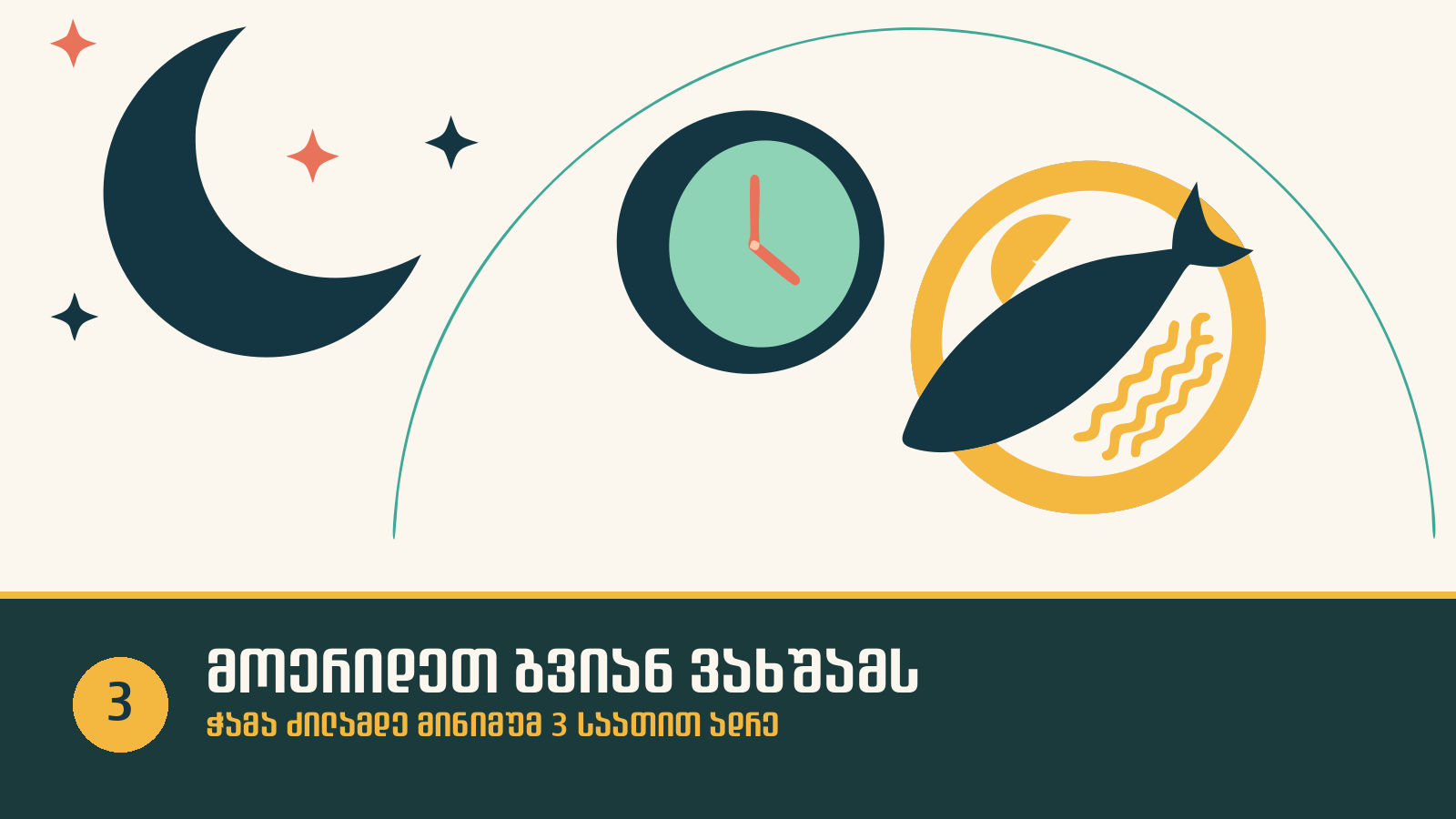
In the summer, the length of the day often leads to late dinners. However, our bodies work according to a biological clock (circadian rhythm) and insulin sensitivity naturally decreases in the evening hours.
However, as melatonin levels increase, the body finds it more difficult to process glucose efficiently.
A late dinner, especially one rich in carbohydrates, can inhibit the production of growth hormone (somatotropin) during the night , which plays an important role in breaking down fat and repairing tissues.
Try to eat your last meal of the day at least 3 hours before bedtime. Opt for protein foods - fish, seafood, lean meat or cottage cheese - and add vegetables.
4. Choose light meals during the heat

During high temperatures, the body expends significant energy on thermoregulation (cooling). In such conditions, foods rich in fat, heavy foods, and simple carbohydrates create additional thermal stress on the endocrine and cardiovascular systems.
Summer is the best time to develop your body's "Metabolic Flexibility." Include as many seasonal vegetables as possible in your daily diet. Especially greens, cucumbers, and tomatoes. Their phytonutrients and high water content help maintain metabolic health at the cellular level.
5. Take care of your gut microbiome

Recent studies have shown that the gut microbiome has a significant impact on metabolism, weight control, and inflammation. A variety of summer vegetables are rich in fiber , which is a great way to stimulate the production of short-chain fatty acids (SCFA).
Enrich your diet with seasonal vegetables of different colors (bell peppers, eggplant, zucchini, green leafy vegetables). The prebiotic fiber in them It feeds beneficial bacteria, which in turn improves the release of the hormone glucagon-like peptide-1 (GLP-1), which is responsible for the feeling of fullness and glucose regulation.
When should you consult an endocrinologist?
Healthy eating is an important part of metabolic health, but sometimes dietary changes alone are not enough.
If you are constantly worried:
- Fatigue;
- Unexplained weight gain;
- Strong craving for sweets;
- Increased thirst;
It is necessary to consult a specialist, as these symptoms may be a sign of hormonal imbalance or metabolic disorder.
Also, if you have insulin resistance, diabetes, obesity , or other endocrine problems, it is important that your diet be individually selected by an endocrinologist.
Conclusion
Proper nutrition in the summer is not just a seasonal recommendation - it is an important step for metabolic health and hormonal balance. Drinking enough water, eating a balanced diet, eating a reasonable amount of seasonal vegetables and fruits, and avoiding late dinners help the body function normally, maintain energy, and improve overall health during the summer.